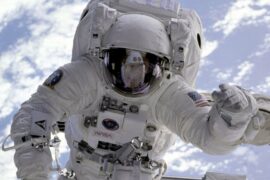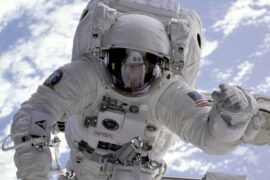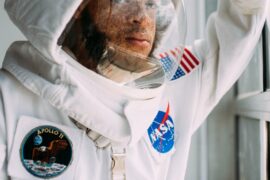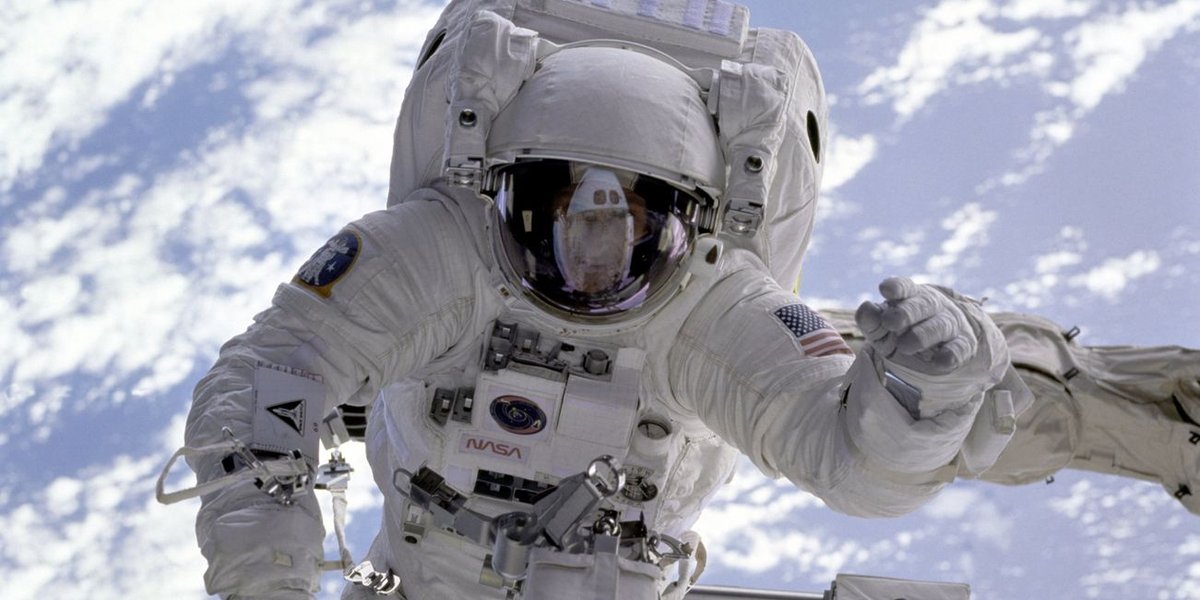
Suni Williams logged her retirement paperwork in December 2025, capping a 27-year career and three trips to the International Space Station. Eight months later, Mike Fincke followed her out the door — 549 days in orbit across four different spacecraft, more accumulated space time than all but three people in NASA history. Two of the agency’s most recognizable names, gone within a single year.
They’re not alone. NASA’s astronaut corps has been thinning out steadily, and it’s not because the agency stopped flying missions. It’s because there’s finally somewhere else to go.
Table of Contents
- Why So Many Astronauts Are Retiring Right Now
- Commercial Spaceflight: The New Career Track
- Government and Agency Leadership
- Media, Advocacy, and Public Life
- Academia
- Business and Beyond
- Who Else Has Recently Retired
TLDR
Astronauts leave NASA for the same reasons anyone leaves a job: retirement age, a better offer, or a ceiling they’ve already hit. What’s changed is the destination. A generation ago, retiring meant the lecture circuit or a corporate board seat. Now it can mean commanding a private mission to the same space station you used to fly to on NASA’s dime. Peggy Whitson and Michael López-Alegría both left NASA and ended up back in orbit, this time for Axiom Space. Others went into agency leadership, media, education, or business — the paths below cover the main ones, with the astronauts who actually walked them.
Why So Many Astronauts Are Retiring Right Now
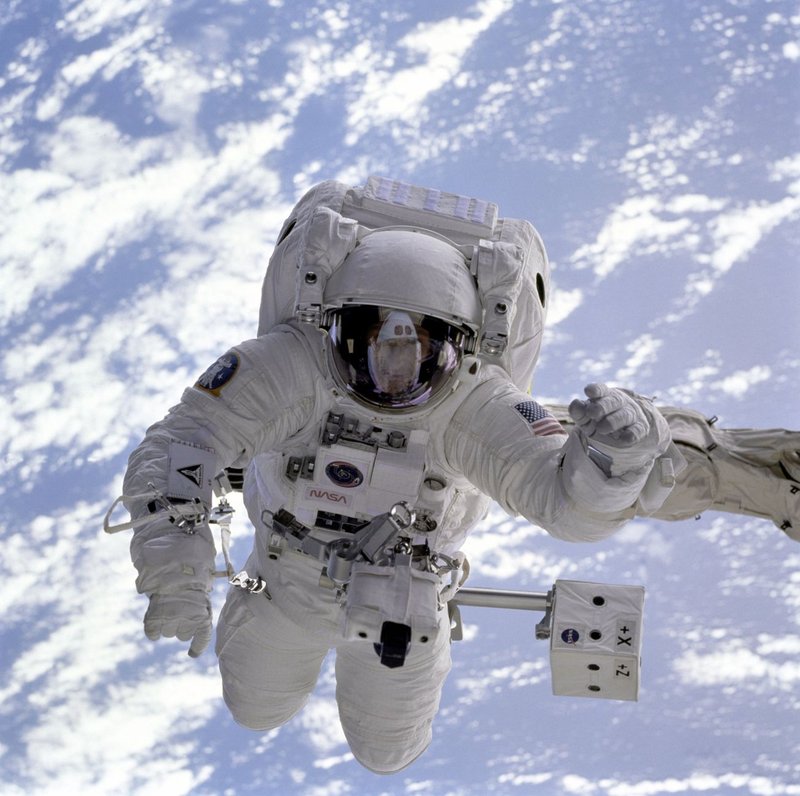
The retirement wave isn’t a coincidence, and it isn’t really about NASA. It’s about what exists outside NASA now that didn’t exist ten years ago.
Commercial spaceflight companies — Axiom, SpaceX, Intuitive Machines, Sierra Space — need people who already know how to fly, dock, and troubleshoot a spacecraft under pressure, and there’s no faster way to hire that expertise than from NASA’s own astronaut office. For a veteran astronaut nearing the end of their flight-eligible years, a commercial offer can mean more missions, not fewer. That’s a genuinely new option. Before Axiom, retiring from NASA usually meant retiring from spaceflight, full stop.
There’s also a simpler mechanical explanation: the shuttle-era astronaut class is aging out. Many of the names retiring now — Williams, Fincke, Behnken, Hurley — came up through the Space Shuttle Program in the 1990s and 2000s. That cohort is reaching the natural end of an active-flight career at roughly the same time, which is why retirements are clustering instead of trickling in one at a time.
Commercial Spaceflight: The New Career Track
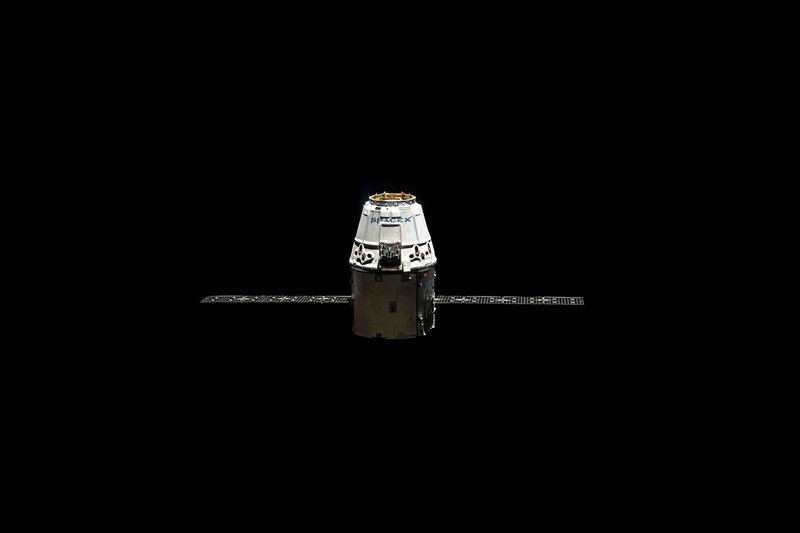
This is the path that didn’t exist for previous generations of astronauts, and it’s the one reshaping what “retirement” even means for the job.
Peggy Whitson holds the American record for cumulative time in space — 675 days across three ISS missions and a stint as station commander. She retired from NASA in 2018. In 2023, she went back to orbit as commander of Axiom Mission 2, a private flight to the ISS, and has since commanded another Axiom mission. She didn’t leave human spaceflight when she left NASA; she just changed employers.
Michael López-Alegría followed a similar arc. A veteran of four NASA missions and a former spacewalk record-holder, he commanded Axiom-1 in 2022 — the first fully private crewed mission to the space station, flying alongside paying customers rather than government colleagues. For astronauts like Whitson and López-Alegría, commercial companies offer something NASA structurally can’t once you’ve aged out of the active corps: more flights.
Government and Agency Leadership
Not every astronaut wants to keep flying. Some go on to run the institutions that send other people up.
Charles Bolden, a former Space Shuttle commander, became NASA Administrator in 2009 and led the agency for eight years — through the end of the shuttle program and the pivot toward commercial crew contracts with SpaceX and Boeing. He later served as Deputy Commandant of Midshipmen at the U.S. Naval Academy.
Pam Melroy, another shuttle commander with three missions to her name, is currently NASA’s Deputy Administrator, helping oversee the same agency she used to fly for. It’s a common pattern: astronauts with command experience often end up managing programs instead of just executing them.
Media, Advocacy, and Public Life
Some astronauts trade the cockpit for the microphone, and one did it more successfully than anyone expected.
Chris Hadfield commanded the ISS in 2013 and spent his mission doing something no astronaut had really done before: posting daily photos of Earth, answering questions from the public in real time, and recording a zero-gravity cover of David Bowie’s “Space Oddity” that racked up tens of millions of views. He retired from the Canadian Space Agency shortly after landing and turned that visibility into a second career — bestselling books, a music career, and a role as one of the most recognized science communicators alive. Hadfield didn’t just leave space travel behind; he became the person who explains it to everyone else.
Academia

For astronauts with engineering backgrounds, a university campus is often the natural landing spot.
Mike Fossum flew three missions over an 18-year NASA career, including a long-duration stay aboard the ISS. After retiring from the agency in 2017, he joined Texas A&M University at Galveston, where he now serves as Chief Operating Officer of the campus and Superintendent of the Texas A&M Maritime Academy — running an institution that trains the next generation of engineers and mariners instead of flying with them.
Business and Beyond
Plenty of astronauts leave the spotlight entirely and build something that has nothing to do with rockets.
Jim Lovell, the Apollo 13 commander whose crew survived an oxygen tank explosion 200,000 miles from Earth, co-founded a restaurant in suburban Illinois after his NASA career ended — a low-key second act for one of the most famous names in spaceflight history. Marc Garneau, Canada’s first astronaut, went into politics and eventually became Canada’s Minister of Transport. Others quietly join aerospace company boards or work as industry consultants, trading a flight suit for a seat at the table where the next generation of spacecraft gets designed and funded.
Who Else Has Recently Retired
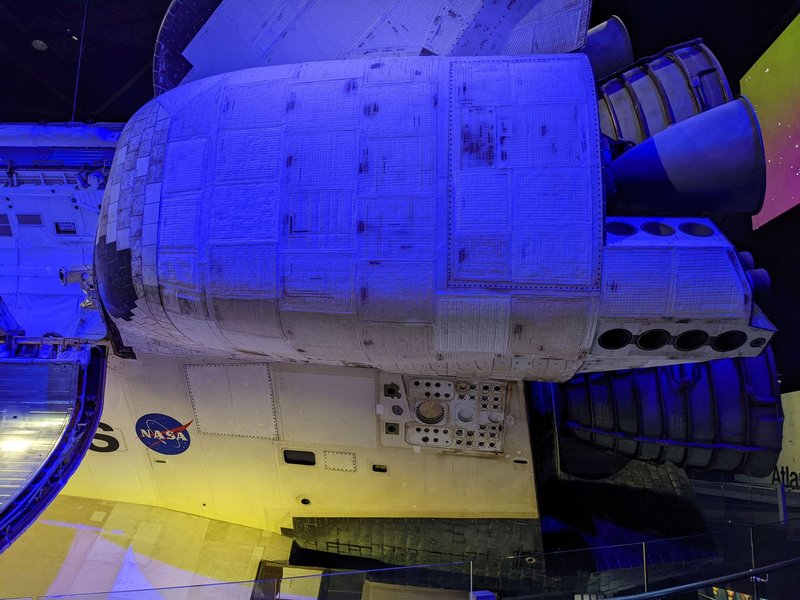
The current wave goes beyond Williams and Fincke. In 2025 and 2026 alone, NASA’s active astronaut corps lost several veterans:
- Suni Williams — retired after 27 years and three ISS missions, including the extended 2024–2025 stay after her Boeing Starliner test flight ran into propulsion issues.
- Mike Fincke — retired after 30 years and four missions across four different spacecraft types, ending with an ISS expedition cut short by a medical evacuation.
- Butch Wilmore — Williams’s Starliner crewmate, who retired shortly after their extended mission concluded.
- Jeanette Epps — departed the agency in mid-2025 after her first spaceflight aboard the ISS.
- Josh Cassada — left NASA in late 2024 following his 2022–2023 ISS mission.
Combined with earlier departures like Bob Behnken and Doug Hurley — the two astronauts who flew SpaceX’s first crewed Dragon mission in 2020 before retiring within two years of that flight — the pattern holds. Nearly every recent retiree flew during the transition from shuttle-era spaceflight to the current commercial-crew era, and nearly all of them have options after NASA that their predecessors didn’t.
That’s really the story behind the headlines. Astronauts have always eventually left the agency. What’s new is that “after NASA” now includes going back to space.