Montana has two planetariums that open to the public on a regular schedule: the Taylor Planetarium in Bozeman and the Star Gazing Room at the University of Montana in Missoula. One is a 110-seat dome you can walk into on a museum day. The other holds 28 people and sells out before the doors open.
TLDR
- Bozeman: Taylor Planetarium at the Museum of the Rockies. Big 40-foot dome, shows roughly all year, tickets bought at the front desk the day you go.
- Missoula: Star Gazing Room at the University of Montana. Small, evening-only, advance tickets only, no door sales.
- Both change prices and schedules. Check the official pages before you drive anywhere.
Taylor Planetarium, Bozeman
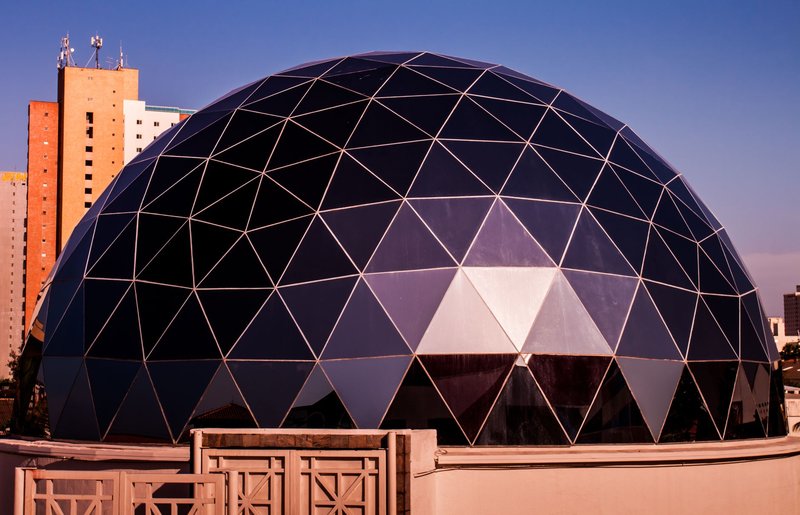
The Taylor Planetarium sits inside the Museum of the Rockies at 600 West Kagy Boulevard, on the south side of the Montana State University campus. It opened in 1989 and went fully digital in 2013, and its projection system runs on Digistar software, the same family of systems used in planetariums that cost far more to build.
The dome is 40 feet across and seats 110 in reclining chairs. That size matters: a full-dome show here puts the whole sky over you, not a screen in front of you. The programming mixes astronomy shows with seasonal and family titles, and the museum has also shown productions made at MSU, including a 2017 premiere funded partly through NASA’s Montana Space Grant Consortium.
Tickets. A planetarium show is an add-on to museum admission. The museum lists $5 per non-member age 5 and up, free for members and free for non-members aged 0 to 4. Tickets are sold at the front desk, not online, and they’re non-refundable. Showtimes can change or be cancelled without notice, so look at the museum’s current schedule the morning of your visit.
Who it suits. Families, school groups, and anyone passing through Bozeman who wants a rainy-day or winter-evening activity. Montana schoolchildren visit free on organized school trips. The museum’s dinosaur halls are a few steps away, which makes this the easy one to turn into a full day.
Star Gazing Room, Missoula
The University of Montana’s planetarium is a different animal. It’s in room 013, in the basement of the Payne Family Native American Center on campus, and it’s run by the Department of Physics and Astronomy. Capacity for public shows is 28.
Shows run about 50 minutes on a small number of evenings. The university’s current page lists $8 per person plus a service charge, sold through Griztix, with two showings on Friday evenings. Older listings give $6 for adults and $4 for children and a 6:30 and 8 p.m. schedule. Treat the university’s page as the final word, because the numbers have moved.
Booking. This is the part people miss. Shows regularly sell out well ahead, and there are no door sales. If you’re traveling through Missoula, buy the ticket when the semester’s schedule is released, not when you arrive.
Who it suits. Curious adults, couples, and older kids who can sit through a 50-minute talk-and-dome session. With 28 seats, an instructor can answer questions mid-show, which a 110-seat dome can’t do. Check the page for family and summer series, which have been scheduled separately from the regular semester shows.
Taylor vs. Star Gazing Room
| Taylor Planetarium (Bozeman) | Star Gazing Room (Missoula) | |
|---|---|---|
| Host | Museum of the Rockies, MSU campus | University of Montana, Physics and Astronomy |
| Dome / seats | 40-foot dome, 110 seats | 28 public seats |
| Tickets | At the front desk, with museum admission | Advance only, through Griztix |
| Price | $5 per non-member age 5+, plus admission | $8 plus service charge on the current page |
| Walk-ins | Yes, subject to seats | No door sales |
| Best for | Families, day trips | Small-group evenings, adults |
Which one to visit
Pick Bozeman if you want certainty. You can decide the same day, the dome is large, and the museum fills the rest of your time.
Pick Missoula if you’re planning ahead and want the intimate version. Book early, pick a Friday if the schedule allows, and arrive on time.
Passing through both cities on one trip? Do both. They don’t overlap in format.
A planetarium that isn’t open yet
Ekalaka, in the far southeast corner of the state, is planning a permanent dome. The Carter County Museum has been working on its “Ekalaktic Dome Planetarium” for several years and received a $300,000 federal grant for the project in 2026, according to the Ekalaka Eagle. I found no report of it being finished or open to visitors, so don’t plan a trip around it yet. The museum has previously brought a portable StarLab dome to Montana schools, on loan from the Museum of the Rockies.
Pair the dome with the real sky
A planetarium is a good warm-up for the actual thing. Montana’s dark skies are the reason to come, and both host cities have local stargazing options beyond the dome: Missoula has the University of Montana’s Blue Mountain Observatory in the hills above the city, and Medicine Rocks State Park near Ekalaka has hosted ranger-led star parties. Check each organization’s calendar for dates, since these run seasonally.
One planning note: all of the schedules and prices above are accurate as of the sources I found, but both venues change them by semester or season. Use the Museum of the Rockies and University of Montana pages to confirm before you book.