TLDR
- Visit the McAuliffe-Shepard Discovery Center in Concord. It’s the only New Hampshire planetarium built for walk-in visitors, with a 92-seat dome, daily shows and a full science museum around it.
- Keene State and Plymouth State have domes too, but they’re teaching rooms with about 35 and 31 seats. Treat public access as “call first,” not “drop in.”
- Oyster River (Durham) and Salem High School are school planetariums. Don’t plan a trip around them without confirming.
- For a backup, the UNH and Dartmouth Shattuck observatories are better bets than a closed dome.
Table of Contents
- Quick comparison
- McAuliffe-Shepard Discovery Center, Concord
- Keene State College: Putnam Science Center
- Plymouth State University: Mark Sylvestre Planetarium
- Other domes and observatories
- Visit checklist
- What to do nearby
- Which planetarium should you pick?
New Hampshire has a short list of planetariums, and only one of them is set up for the general public. The rest sit inside colleges and schools, built for astronomy courses rather than tourists. Most online directories list all of them side by side as if they were equivalent, which is how families end up driving to a locked building.
This guide sorts the domes by one question: can you actually walk in?
Quick comparison
| Planetarium | Location | Seats | Public access | Best for |
|---|---|---|---|---|
| McAuliffe-Shepard Discovery Center | Concord | 92 | Yes, daily shows | Families, tourists, school trips |
| Putnam Science Center, Keene State College | Keene | 35 | Limited; confirm with the college | Local astronomy fans, students |
| Mark Sylvestre Planetarium, Plymouth State University | Plymouth | 31 | Limited; confirm with the university | Plymouth-area visitors, students |
| Oyster River Planetarium | Durham | Not verified | Unconfirmed | Local school programs |
| Salem High School planetarium | Salem | Not verified | Unconfirmed | Local school programs |
Seat counts come from the Go-Astronomy directory, which leaves dome size and projector type blank for all three listed domes. Those specs aren’t published anywhere I could find, so this guide doesn’t guess at them.
McAuliffe-Shepard Discovery Center, Concord
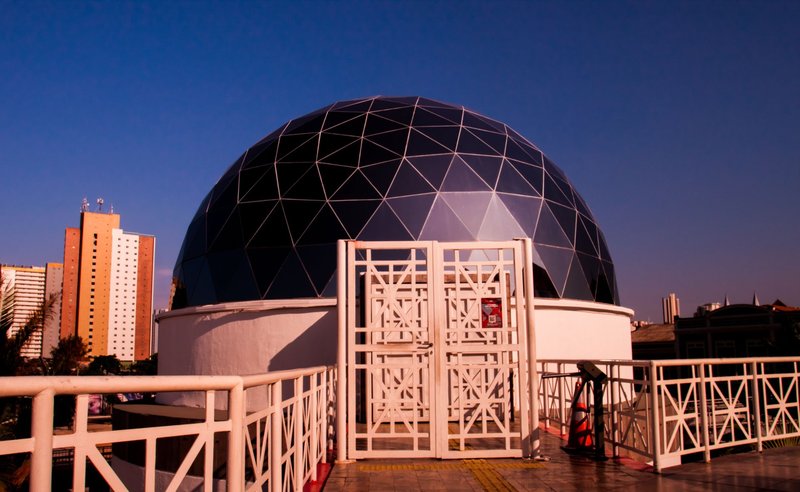
If you only have time for one stop, this is it. The Discovery Center is the one place in the state where a planetarium show is the main event rather than a side project of a physics department.
The name is a pairing of two New Hampshire space stories. Christa McAuliffe was a Concord teacher selected for the Space Shuttle program, and Alan Shepard, from Derry, was the first American in space, flying in 1961. NASA’s biography pages cover both careers. The center opened in 1990, took its current name in 2009, and has run as a nonprofit since 2013.
What you get:
- A 92-seat planetarium with daily shows. It’s one of just two public planetariums in northern New England.
- About 45,000 square feet of exhibits, which means you can build a half-day around the visit instead of a 45-minute show.
- An observatory on site, useful if your trip lines up with a clear evening or a scheduled viewing event.
Two things to plan around. First, shows sell out, especially on school-vacation weeks and rainy weekends, so book ahead. Second, ticket prices and show schedules weren’t verifiable when this guide was compiled (the official VisitNH page blocked automated reading). Check the center’s own site for current numbers before you leave.
Show types vary by season and by audience. Expect a mix of general-audience sky tours and shows aimed at younger kids, and confirm the age recommendation on the booking page. A 90-minute adult-level program will lose a four-year-old quickly.
Keene State College: Putnam Science Center
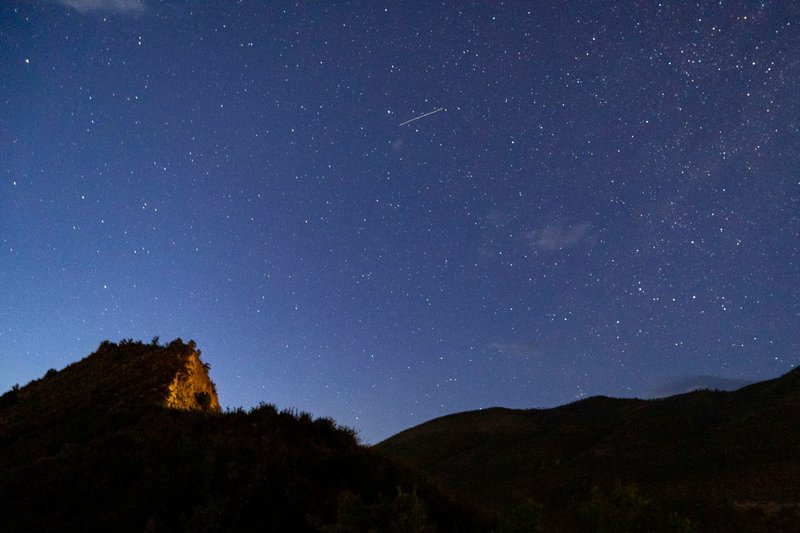
Keene State’s dome lives inside the Putnam Science Center and seats about 35 people. That’s a classroom-sized audience, which tells you what it’s for: astronomy courses first, public programs second.
Whether you can attend depends on what the college is running that semester. Public programs at college planetariums tend to cluster around the academic calendar, with fewer events in summer and during exam weeks. If you’re set on seeing this one, contact Keene State College directly and ask three specific things: is there a public show scheduled, do you need a reservation, and is there a group minimum.
Don’t build a family day trip around it without a confirmed date. At 35 seats, a single school group fills it.
Plymouth State University: Mark Sylvestre Planetarium
The Mark Sylvestre Planetarium at Plymouth State University is the smallest of the three listed domes at roughly 31 seats. The situation is the same as in Keene: it’s primarily an instructional space, and public access runs through the university rather than a ticket window.
Plymouth is a good base for a White Mountains weekend, which makes the dome a possible add-on if a public program happens to line up with your trip. It’s a poor choice as the reason for a trip. If a show is on the calendar, treat it as a bonus.
Same advice as Keene: email or call before you go, and ask whether the seats are open to non-students.
Other domes and observatories
These are your fallbacks. Some may be open to the public, some may not, and I couldn’t confirm which.
- Oyster River Planetarium (Durham). A school-district dome. Public showings, if any, would likely be tied to school events. Unverified.
- Salem High School planetarium. Mentioned by astronomy-club listings, but it may not be open to the public. Unverified.
- UNH observatory (Durham). The University of New Hampshire’s physics and astronomy department is the place to check for public viewing nights. An observatory shows you real objects through a real telescope, which a dome can’t do.
- Shattuck Observatory (Hanover). Dartmouth runs this historic observatory, and it’s worth a look if you’re already in the Upper Valley.
Observatories depend on weather, so a clear forecast matters more than the calendar. A cloudy open-house night is a good evening to go to the Discovery Center instead.
Visit checklist
- Book ahead. Concord’s shows can sell out. Reserve your time slot online if the center offers it.
- Check seasonal hours. Daily shows are the pattern, but hours shift with the season and holidays. Confirm the day you plan to go.
- Match the show to the age. Ask whether a program suits toddlers, school-age kids or adults. Dome shows are dark and loud for some children.
- Arrive early. Seating at a dome is first-come within your ticketed slot, and you want a seat where you can tilt back without craning.
- Call the college domes. For Keene and Plymouth, get a date, a reservation rule and a contact name before driving.
- Plan for the weather. If you’re pairing a dome with an observatory visit, have a backup for cloudy skies.
- Bring a jacket. Dome rooms run cool, and outdoor observatory nights in New Hampshire do too.
What to do nearby
Concord. The Discovery Center’s exhibits can fill a half-day by themselves. After that, downtown Concord and the State House area are a short drive, and Main Street has places to eat. For the night half of the trip, drive out of the city lights. Any rural road north of town gets darker quickly.
Keene. Downtown Keene is compact and walkable, and Mount Monadnock is nearby for a hike and, on clear nights, a darker sky than the city. Check trail and parking conditions before you go.
Plymouth. The town sits at the edge of the White Mountains, so the trip pairs naturally with a day outdoors. Darker skies sit farther north, away from the I-93 corridor.
Durham and Hanover. Both are college towns. Pair the UNH or Dartmouth observatory with a campus walk and a meal in town.
For serious stargazing, the northern part of the state generally has the darkest skies. I haven’t verified specific viewing sites, so check a current dark-sky map before you pick one.
Which planetarium should you pick?
Pick Concord. It’s the only dome in the state you can reliably walk into, it has the most seats, and the museum around it makes the drive worth it even on a cloudy day. Go to Keene or Plymouth only if you’ve confirmed a public program, and treat Oyster River and Salem as unconfirmed until someone tells you otherwise.
If your real goal is looking through a telescope rather than sitting under a projected sky, skip the domes and check the UNH and Dartmouth observatory schedules.
Last reviewed: November 2026. Seat counts come from a published directory. Ticket prices, show times, seasonal hours and public-access status for every venue other than Concord were not confirmed directly with the venues. Verify before you travel.