TLDR
- Free and flexible: the WVU Planetarium in Morgantown costs nothing, but you need a reservation.
- Cheapest paid option: West Virginia Wesleyan College in Buckhannon charges $3 for adults, and it runs once a month.
- Biggest institution: the Clay Center in Charleston is the one to pick if you want a full museum day, not a single show.
- Nothing beats the real sky: Green Bank Observatory and the Pocahontas County dark sky parks are the natural second stop.
Table of Contents
- The three planetariums at a glance
- WVU Planetarium & Observatory, Morgantown
- West Virginia Wesleyan College, Buckhannon
- Clay Center, Charleston
- Which planetarium should you pick?
- Beyond the dome: Green Bank and the dark sky parks
- Planning tips
West Virginia has fewer planetariums than you’d expect from a state with some of the darkest skies in the eastern US. That’s partly the point: the best astronomy here happens outdoors. But if you want a guided tour of the sky on a cloudy night, or a show for kids who can’t stay up late, three venues cover the state from north to south.
The three planetariums at a glance
| WVU Planetarium | WVWC Planetarium | Clay Center | |
|---|---|---|---|
| City | Morgantown | Buckhannon | Charleston |
| Price | Free | $3 adults, $2 students and seniors, free under 18 | Check the Clay Center site |
| Schedule | Rotating public shows, evenings | 8 PM, first Saturday of each month | Check the Clay Center site |
| Reservations | Required | Check before you go | Check the Clay Center site |
| Size | University lecture-style dome | 40 seats | Museum-scale |
| Best for | Students, families, free outings | Small groups, sky tour plus telescopes | Full-day family trips |
Schedules and prices change. Confirm everything on the venue’s own site before you drive.
WVU Planetarium & Observatory, Morgantown
The WVU Planetarium & Observatory is the easiest one to recommend, because it’s free. The catch is that you have to reserve a spot, and walk-ins aren’t guaranteed a seat.
Shows rotate through the year. Recent titles include “Saturn and Beyond” and “The Dark Matter Mystery,” which tells you the programming leans toward actual astrophysics, not just a tour of the constellations. Expect a university audience mixed with families and the occasional scout troop.
One practical detail trips people up. After 6 PM, you enter through the Willey Street entrance. Arrive at the main campus doors and you’ll be standing outside a locked building.
Morgantown is also a good base if you’re trying to build a free weekend. The planetarium costs nothing, and the town has plenty of cheap food nearby.
West Virginia Wesleyan College, Buckhannon
The planetarium at West Virginia Wesleyan College is small. It seats 40 people, and that’s the appeal. It’s close enough to the presenter that questions are normal, and you won’t get lost in a crowd.
Public shows run at 8 PM on the first Saturday of each month, as local news coverage of the monthly series reported. Tickets are $3 for adults and $2 for students and seniors. Anyone under 18 gets in free.
The format is two parts. First comes an indoor tour of the sky. Then, when the weather is clear, the group goes outside to look through telescopes. That second half is the reason to choose Buckhannon over a bigger dome: you see the same objects you just learned about, for real.
Because there are only 40 seats and one show a month, call or check the college’s page before you go. If you’re planning around the first Saturday of the month, build in a backup plan for cloud cover. The indoor portion still runs, but the telescope session depends on the sky.
Clay Center, Charleston
The Clay Center is Charleston’s arts and science complex, and it’s the largest institution on this list. It’s the right call if you want more than a single show: a planetarium visit fits into a longer museum day, which suits younger kids who need variety.
Show times, prices and reservation rules vary by season and by the program, and they change more often than at the two college venues. Check the Clay Center’s official site for the current schedule before you plan the trip, and book ahead for school groups.
Which planetarium should you pick?
- You want it free: WVU in Morgantown. Reserve early.
- You want telescopes, not just a dome: Wesleyan in Buckhannon, on the first Saturday of the month.
- You have young kids or a rainy day to fill: the Clay Center in Charleston, since the planetarium is one stop among several.
- You’re a teacher planning a field trip: start with WVU and the Clay Center. Wesleyan’s 40 seats are too few for most classes.
- You only have one evening and bad weather: any of them. A dome doesn’t care about clouds.
Beyond the dome: Green Bank and the dark sky parks
No planetarium here competes with what’s in Pocahontas County. Green Bank Observatory is home to the Green Bank Telescope, a 100-meter radio dish, and it sits inside the National Radio Quiet Zone. Cell service is restricted around it, which is a good reason to download directions before you leave town.
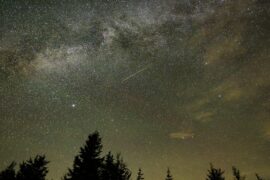
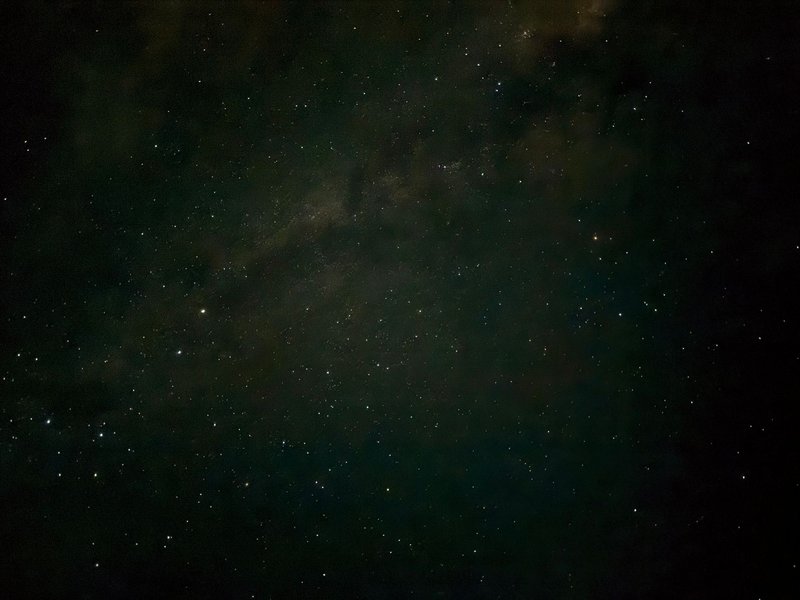
A short drive away are the International Dark Sky Park properties of Pocahontas County: Watoga State Park, Droop Mountain Battlefield and Calvin Price State Forest. The International Dark Sky Association certifies parks like these for the quality of their night skies. On a moonless night away from town, the Milky Way is visible without a telescope.
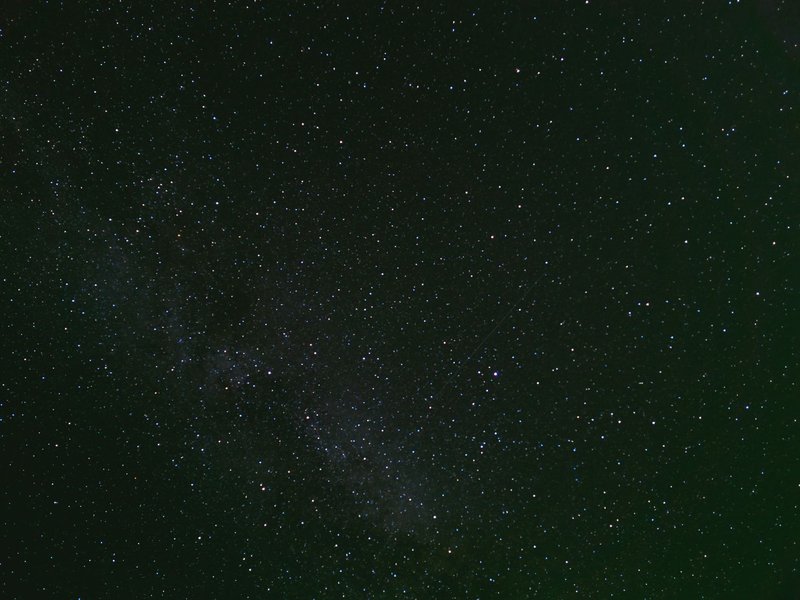
A reasonable itinerary: see a show in Morgantown or Buckhannon to learn what you’re looking for, then head south to Pocahontas County and look for it.
Planning tips
- Verify the schedule. Public show dates move, especially at the college venues during exams and holidays.
- Dress for the mountains. Outdoor telescope sessions get cold even in summer.
- Bring red-light flashlights. They protect your night vision at the telescope.
- Check the Moon. Planetarium shows work any night, but dark sky parks are best near a new moon.
- Ask about age. Evening shows with university content suit school-age kids and up. For toddlers, the Clay Center is the safer bet.