
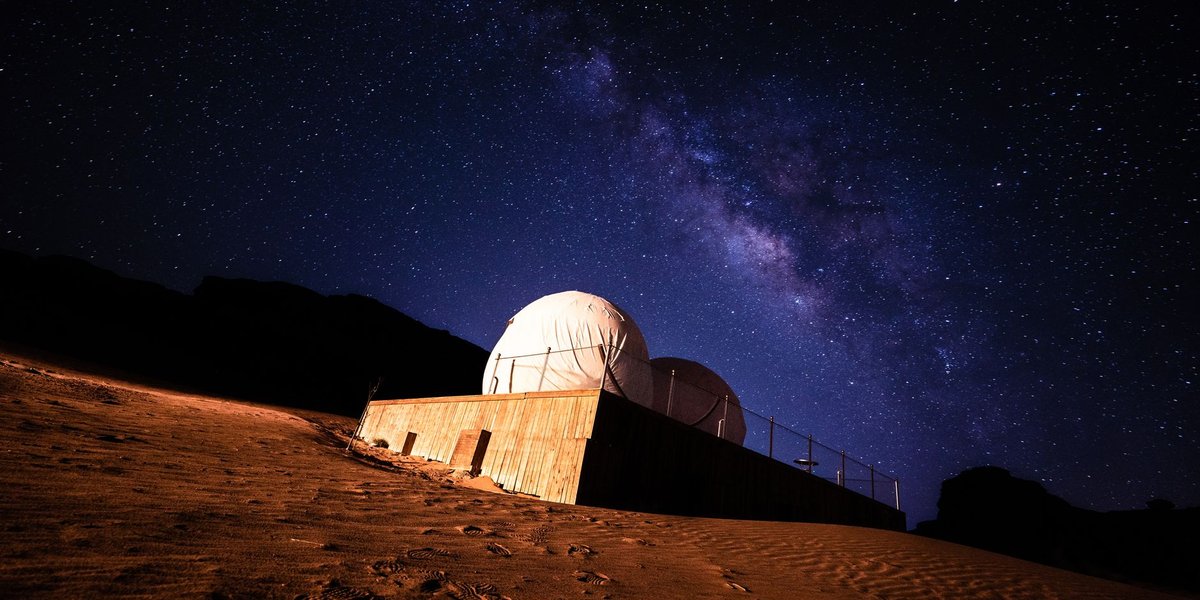
Maine has more observatories than most visitors expect, and the state’s best-known claim about them is out of date. Wikipedia’s entry on the Maynard F. Jordan Observatory calls it “the only public observatory in Maine.” It’s the only one that runs a fixed weekly schedule on a university campus. It isn’t the only one that lets the public look through a telescope. Starfield in Kennebunk and the Roger Twitchell Observatory in South Paris both hold open nights too.
This guide sorts every site worth knowing by region, tells you which ones you can show up at, and flags the ones that need a phone call first.
Contents
- Quick reference: public, college or private
- Southern and Western Maine
- Midcoast and Central Maine
- Penobscot, Downeast and Northern Maine
- Dark-sky sites to pair with a visit
- Before you go
- Summary
Quick reference: public, college or private
| Site | Town | Type | Public access |
|---|---|---|---|
| Maynard F. Jordan Observatory and Clark Observatory | Orono | University | Friday viewing at 8:15 p.m., September to early May |
| Talmage Observatory at Starfield | Kennebunk | Nonprofit | Free Friday open nights |
| Roger Twitchell Observatory | South Paris | Club | Monthly open nights |
| Brower Observatory | Whitefield | Club or private | Check the operator for dates |
| Penobscot Narrows Bridge observatory | Prospect | State attraction | Daytime sightseeing, not a telescope site |
| Stephens Observatory (Bates) | Lewiston | College | Events and arranged visits |
| Colby College observatory | Waterville | College | Events and arranged visits |
| Bowdoin College observatory | Brunswick | College | Events and arranged visits |
| Downeast Amateur Astronomers | Pembroke | Club | Club events and star parties |
The pattern: a handful of places run regular public nights, and the rest open up for a scheduled event or if you ask. Show up unannounced at a college dome and you’ll find a locked door.
Southern and Western Maine
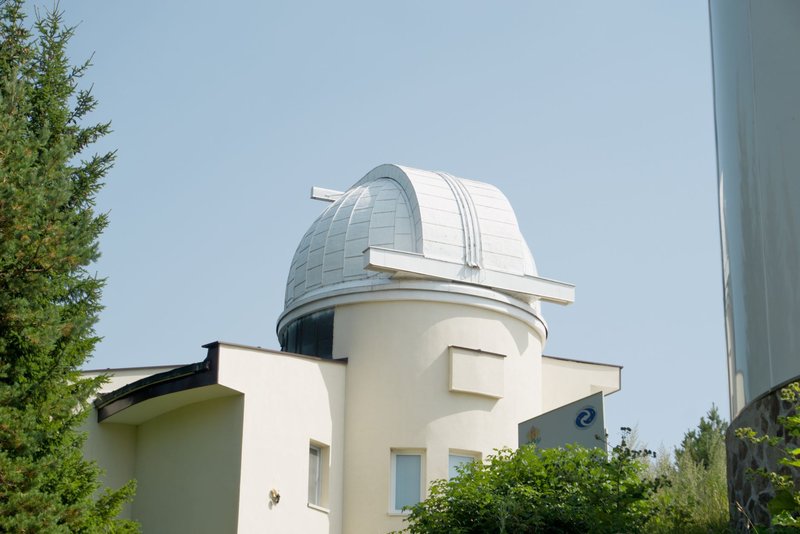
This is the densest part of the state for people, so it has the worst light pollution and the easiest access. Both public sites here are free or close to it.
Talmage Observatory at Starfield, Kennebunk
- Where: Kennebunk, York County
- Run by: Starfield, a volunteer-run astronomy group
- Public access: Free open nights on Fridays
- Best season: Spring through fall for comfort. Winter nights are sharper but the dome is unheated by definition.
Starfield is the easiest entry point for anyone driving up from Portland or Boston. Friday nights are free, which makes it a good first stop for families. Cloud cover decides everything, so check the forecast the same afternoon.
Roger Twitchell Observatory, South Paris
- Where: South Paris, Oxford County
- Run by: A local astronomy club
- Public access: Monthly open nights
- Best season: Clear evenings from late spring to early fall
Twitchell sits in the western hills where the sky is darker than in the coastal towns. The catch is frequency: open nights are monthly, so plan around the date rather than the weather alone, and have a backup night in mind.
Southworth Planetarium, Portland
Southworth, at the University of Southern Maine, is a planetarium, not an observatory. Nothing here involves a telescope on the night sky. It’s still the best rainy-night plan in southern Maine, and it’s the one to use if the Starfield forecast fails.
Midcoast and Central Maine
Three of the four sites in this stretch are college observatories. They exist mainly for students, and public access depends on the department’s calendar.
Brower Observatory, Whitefield
- Where: Whitefield, Lincoln County
- Public access: Confirm with the operator before driving out
- Best season: Late spring to early fall
Brower is the least documented site on this list, which is a reason to call first. It’s a rural site with dark skies, so it’s worth the effort if you get a confirmed date.
Bates College: Stephens Observatory, Lewiston
Bates runs Stephens Observatory for its physics and astronomy students. Public viewing happens at scheduled events, and groups can ask the department about arranged visits. Start with the Bates physics and astronomy page and email before you plan around it.
Colby College, Waterville
Colby’s observatory works the same way: it’s a teaching facility, and the public gets in at events or by arrangement. Contact the physics and astronomy department.
Bowdoin College, Brunswick
Bowdoin’s observatory is on campus in Brunswick. Treat it like the others. Watch the department’s event listings, and ask about group visits if you’re bringing a class or scout troop.
How to get access to a college observatory: email the department two to three weeks ahead. Say how many people, what age, and which dates work. Offer to come on a night they pick. Faculty say yes more often than the locked doors suggest.
Penobscot, Downeast and Northern Maine
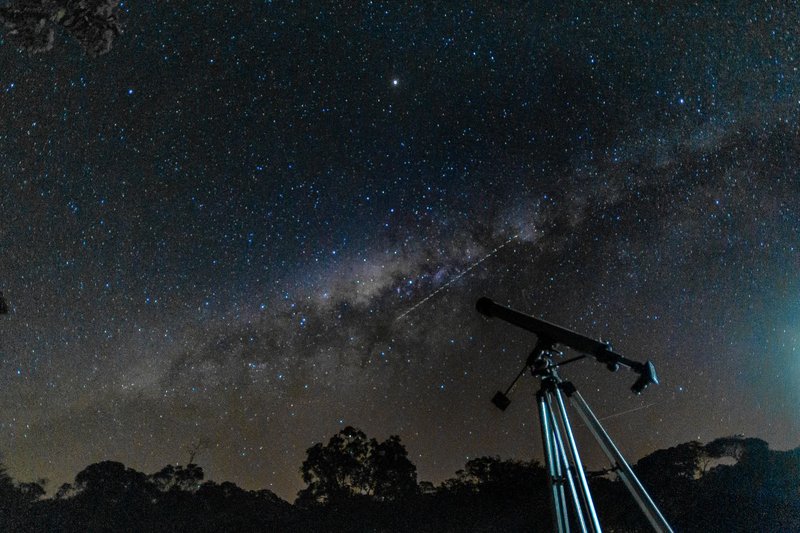
This region has the darkest skies and the longest drives. It also has the one site with a real weekly public schedule.
Maynard F. Jordan Observatory and Clark Observatory, Orono
- Where: University of Maine campus, Orono
- Run by: The University of Maine Astronomy Center
- Public access: Friday viewing at 8:15 p.m., September to early May
- Planetarium: Shows are ticketed at about $7
- Best season: Fall and winter, when the sky gets dark early enough for the 8:15 start to work
Orono is the answer to “where can I go any Friday?” The schedule runs on the academic year, so the summer gap catches people out. In June or July the Friday sessions aren’t running. In October they are, and darkness arrives early enough that families with kids can still be home by bedtime.
Pair the viewing with a planetarium show. If clouds close in, the planetarium is the fallback and the ticket price makes it an easy call.
Penobscot Narrows Bridge observatory, Prospect
This one is a different kind of observatory. It’s a viewing deck near the top of the bridge’s tower, with views over the Penobscot River and Fort Knox. It’s a daytime sightseeing stop, not a telescope site. Count it as a good way to spend the morning before an Orono night, and don’t expect to look at the Moon from it. Confirm seasonal hours and ticket prices before you go, since access has been seasonal.
Downeast Amateur Astronomers, Pembroke
Downeast Amateur Astronomers is a club, not a single dome. It’s based in Pembroke, close to some of the darkest sky on the East Coast. Join the club’s events or its star parties, and email ahead. A member showing you Saturn through a 10-inch scope in a field beats most official programs.
The club’s region is also home to the Maine State Star Party at Cobscook Bay, the state’s main gathering for amateur astronomers. Dates are announced by the organizers each year.
Dark-sky sites to pair with a visit
Observatories show you what’s up there. Dark sites show you what the whole sky looks like, and most visits improve with both. For a wider list of dark-sky destinations across the US, see best places for stargazing in the US. Three are worth building a trip around:
- Baxter State Park. The park is remote and has few lights. Check the park’s rules on entry, reservations and night access before planning.
- Katahdin Woods and Waters National Monument. The National Park Service manages the monument. DarkSky International has recognized the area for its natural darkness.
- Acadia National Park. Light from the coast reaches some spots, but the park hosts a Night Sky Festival each September, and the summit areas give open horizons.
A simple route: Orono Friday night, then a Saturday drive to Pembroke or Cobscook Bay. You see one observatory and one proper dark sky in the same weekend.
Before you go
Every schedule here can change. Open nights get cancelled for weather, volunteer clubs shift dates, and college calendars move around breaks. This guide was last reviewed in November 2026. Confirm hours, costs and reservation rules with the operator before driving.
Three habits help:
- Check the forecast the same day. Use the National Weather Service for cloud cover.
- Use a Clear Sky Chart. Search for the chart for your nearest town. It gives an hour-by-hour read on cloud, transparency and seeing, which matters more than the daytime forecast.
- Dress for the dome. Domes don’t heat. In winter, layer more than seems reasonable, and bring a hot drink.
Moonlight changes what you’ll see. Around a full Moon, planets and the Moon itself look good, but faint galaxies and nebulae wash out. If you want deep-sky objects, aim for the week around the new Moon.
Summary
The best observatories in Maine for a casual visit are Orono (Fridays, school year), Kennebunk (free Friday open nights) and South Paris (monthly). The college sites in Lewiston, Waterville and Brunswick need an event or an email. Brower in Whitefield and the Pembroke club need a confirmed contact. The Penobscot Narrows deck is a daytime view, not a telescope.
If you only pick one, make it Orono between September and early May, and add a dark-sky stop in the same trip.