Table of Contents
- TLDR: The Quick Picks
- Planetarium vs. Observatory: What’s the Difference
- Comparison Table
- 1. Discovery Science Center & Planetarium (Bridgeport)
- 2. Stamford Museum & Nature Center Planetarium (Stamford)
- 3. Copernican Observatory & Planetarium (New Britain)
- 4. Talcott Mountain Science Center (Avon)
- 5. Glastonbury Planetarium (Glastonbury)
- 6. Leitner Family Observatory & Planetarium, Yale (New Haven)
- 7. John J. McCarthy Observatory (New Milford)
- 8. Astronomical Society of New Haven, Bethany Observing Station (Bethany)
- Weather, Seasons, and When to Go
TLDR: The Quick Picks
Connecticut has eight real options for a dome show or a night behind a telescope, and they split cleanly by what you actually want:
- Cheapest paid show: Glastonbury Planetarium, a few dollars a seat.
- Completely free, every time: Copernican Observatory & Planetarium at CCSU, Leitner Family Observatory at Yale, John J. McCarthy Observatory, and the Astronomical Society of New Haven’s Bethany nights.
- Best for toddlers and young kids: Discovery Science Center & Planetarium in Bridgeport — the shows are built for a preschool attention span.
- Best if you want a dome show and a real telescope in one trip: Stamford Museum & Nature Center, which runs its own observatory alongside the planetarium.
- Best date-night option: Stamford’s Friday and Saturday 8pm shows, which run later and skip the field-trip crowd.
None of the seven venues on Go Astronomy’s old list even mention pricing or dome size, and the last full write-up of this scene is nine years old. Here’s what’s actually true in 2026.
Planetarium vs. Observatory: What’s the Difference
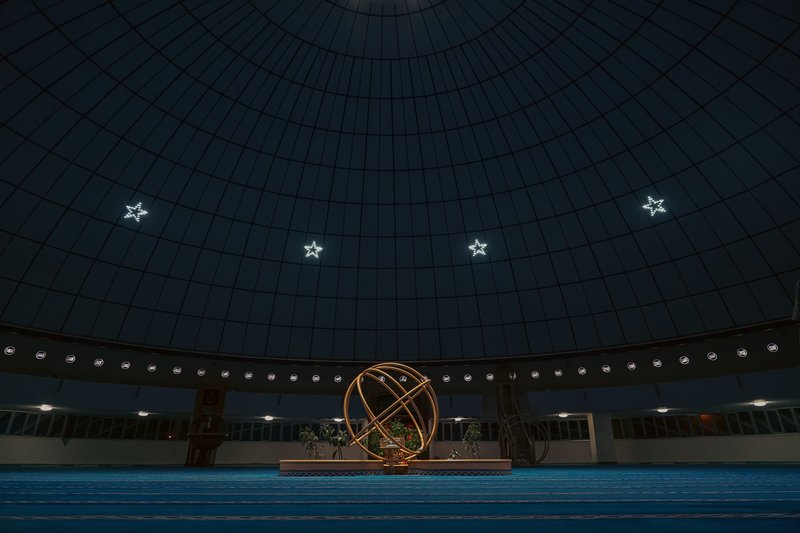
A planetarium is a dome with a projector — it simulates the sky on a screen, rain or shine, any time of day. An observatory has an actual telescope pointed at the actual sky, which means it only works after dark and only when clouds cooperate. Some Connecticut venues have both under one roof (Stamford, and loosely CCSU); others are strictly one or the other (McCarthy and the Astronomical Society of New Haven are telescope-only, no dome). If you want a guaranteed experience regardless of weather, pick a planetarium show. If you want to actually see Saturn’s rings with your own eye, you need an observatory night — and a clear forecast.
Comparison Table
| Venue | Location | Price | Dome or Telescope | Best For |
|---|---|---|---|---|
| Discovery Science Center & Planetarium | Bridgeport | Included with museum admission | Dome (duPont Planetarium) | Young kids |
| Stamford Museum & Nature Center | Stamford | $8–$15/seat | Dome + telescope | All-ages, date night |
| Copernican Observatory & Planetarium | New Britain | Free | Dome + rooftop telescope | Free family outing |
| Talcott Mountain Science Center | Avon | Program-dependent | 44-foot tilted dome | School groups |
| Glastonbury Planetarium | Glastonbury | ~$4/seat | Dome only | Budget-friendly |
| Leitner Family Observatory & Planetarium | New Haven (Yale) | Free | Dome + telescope | Free, Tuesday nights |
| John J. McCarthy Observatory | New Milford | Free | Telescope only | Serious stargazing |
| ASNH Bethany Observing Station | Bethany | Free | Telescope only | Serious stargazing |
Prices and schedules change by season — call ahead or check each venue’s site before driving out, especially for the free nights, which tend to fill fast or get cancelled for weather.
1. Discovery Science Center & Planetarium (Bridgeport)
This is the reboot of the old Discovery Museum, which closed and reopened in 2021 under Sacred Heart University’s management. The Henry B. duPont III Planetarium sits inside a broader science center that also has a Challenger Center and a Science on a Sphere exhibit, so a planetarium visit here comes bundled with an hour of hands-on exhibits before or after the show. The programming skews younger than most of the state’s other domes — shows are built to hold a five-year-old’s attention, not just impress a middle schooler. If your crew includes a preschooler who’d get restless at a 45-minute astrophysics lecture, start here.
2. Stamford Museum & Nature Center Planetarium (Stamford)
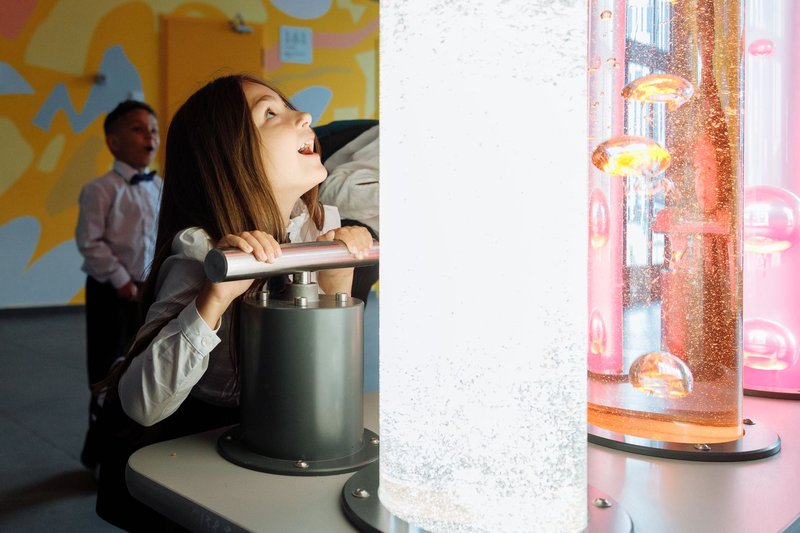
Stamford is the one venue in the state genuinely built for a full evening out, not just a school-day field trip. Daytime shows run at 2pm and cost $8 for members or $12 for non-members, with admission to the museum’s farm and galleries bundled in. Friday and Saturday shows push to 8pm and run $12–$15 — later, adult-leaning, and a legitimate date-night alternative to a movie. The museum also operates its own observatory, so a clear-sky evening can turn into a projected dome show followed by real telescope time on the grounds. Shows run 45 minutes; reach the planetarium desk directly at astronomy@stamfordmuseum.org for the current lineup.
3. Copernican Observatory & Planetarium (New Britain)
Central Connecticut State University runs a free public planetarium on the second floor of Copernicus Hall — Room 211 — with shows offered monthly except July. There’s no ticket to buy and no line item hiding in a museum admission fee: it’s a university outreach program, full stop. The catch is punctuality. Doors open 30 minutes before showtime, and once the lights go down for the projector, there’s no late seating. The CCSU astronomy program also runs a rooftop observatory for clear nights, though that’s a separate schedule from the planetarium shows.
4. Talcott Mountain Science Center (Avon)
Talcott Mountain’s dome is 44 feet across and tilted, which is a genuinely different viewing experience from the flat overhead domes most other venues use — it puts the “sky” more in your peripheral vision, closer to actually being outside at night. The center runs mostly for school groups and STEM camp programming rather than a fixed weekly public schedule, so a family visit here usually means booking around a specific event, like their periodic skygazing nights, rather than showing up on a Saturday. Check their calendar before planning a trip around it.
5. Glastonbury Planetarium (Glastonbury)
This is the budget option, and it doesn’t apologize for being small. Public shows run a few dollars a seat — historically around $4.25 — making it the cheapest ticket of any dome in the state. It’s a compact, ultra-high-resolution setup rather than a sprawling science-center experience, which suits families who want a solid 30-45 minute show without the add-on exhibits and gift-shop detour. Birthday party rentals are also common here if you’re planning ahead for a kid’s celebration built around a private dome show.
6. Leitner Family Observatory & Planetarium, Yale (New Haven)
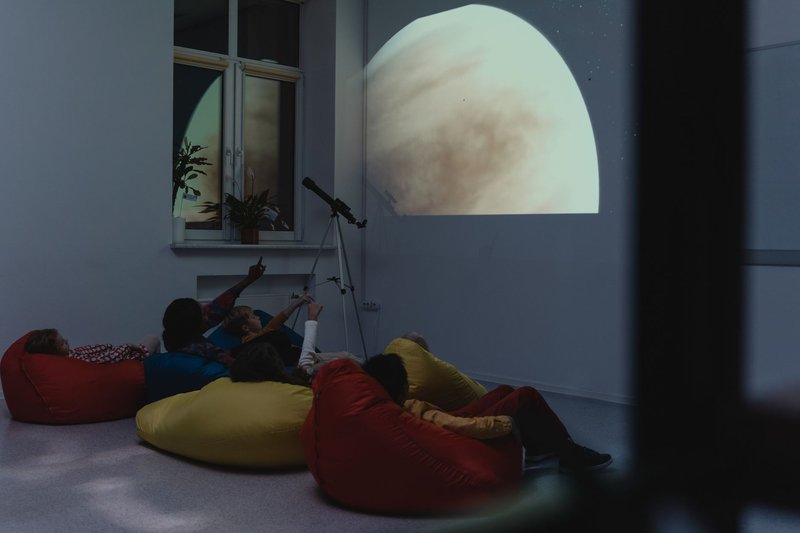
Yale’s Leitner Family Observatory & Planetarium runs free planetarium shows on Tuesday evenings at 7pm and 8pm during the academic year — no reservation, no ticket, just show up. Immediately after, student volunteers set up telescopes outside for public stargazing, weather permitting, so a single Tuesday trip can genuinely deliver both a dome show and real telescope viewing at no cost. It’s the single best free combo pick in the state if your schedule lines up with a Tuesday. Dress for outdoor cold in fall and winter — the telescope portion happens outside, not in a heated dome.
7. John J. McCarthy Observatory (New Milford)
No dome here — this is a telescope-only public observatory located on the grounds of New Milford High School, run entirely by volunteers and open to the public at no charge. Public nights land on the second Saturday of every month, each built around a different astronomy topic, and the facility is fully handicap accessible. Because there’s no planetarium fallback, a McCarthy visit lives or dies on the forecast; check their site or the NASA Night Sky Network club listing before driving out on a cloudy night.
8. Astronomical Society of New Haven, Bethany Observing Station (Bethany)
The ASNH runs free public viewing nights at its observing station on Hilldale Road in Bethany, pointing telescopes at whatever’s worth seeing that night — Saturn, Mars, a good double star, whatever’s up. Club members are on hand to talk through what you’re looking at and point out constellations, which makes this a genuinely good option for a first-timer who doesn’t know Orion from Cassiopeia. Like McCarthy, this is weather-dependent and outdoor-only, so cancellations happen; call the group’s line before making the drive.
Weather, Seasons, and When to Go
The four telescope-dependent venues on this list — Stamford’s observatory add-on, CCSU’s rooftop scope, McCarthy, and ASNH Bethany — only deliver on clear nights, and all of them cancel or reschedule for cloud cover. Winter actually offers the sharpest views, since cold, dry air distorts starlight less than humid summer air, but it also means dressing for standing outside for an hour in January. If the trip depends on the telescope portion rather than just the dome show, check the local forecast the same afternoon, not the day before — Connecticut’s cloud cover can flip fast, and most of these programs make the call within hours of showtime.
For year-round reliability regardless of clouds, the planetarium-only venues — Discovery Science Center, Glastonbury, and daytime Stamford shows — are the safer bet with a scheduled outing or a kid’s birthday on the line.