TLDR
Kansas has exactly three public planetariums: the Justice Planetarium inside the Cosmosphere in Hutchinson, the L. Russell Kelce Planetarium at Pittsburg State University, and the Peterson Planetarium at Emporia State University. If you only have time for one, make it the Cosmosphere — it’s a full space museum with a 60-foot dome built around it. The other two are small, campus-run theaters that charge next to nothing and are worth a detour if you’re already in Pittsburg or Emporia. None of them are in Kansas City. That’s Missouri, and a different state’s attractions keep showing up in searches for this topic.
Table of Contents
- Why “planetariums in Kansas” searches get confused with Kansas City
- Kansas planetariums compared
- Justice Planetarium — Cosmosphere, Hutchinson
- L. Russell Kelce Planetarium — Pittsburg State University
- Peterson Planetarium — Emporia State University
- Which one should you actually visit
Why “planetariums in Kansas” searches get confused with Kansas City
Search for planetariums in Kansas and you’ll pull up Union Station’s Arvin Gottlieb Planetarium and the Kansas City Museum. Both are excellent. Neither is in Kansas. Union Station sits at 30 W Pershing Rd, Kansas City, Missouri — across the state line, on the wrong side of a metro area that happens to straddle two states with the same city name. It trips up even locals.
The actual Kansas venues are smaller, less marketed, and easy to miss if you’re relying on a map search that defaults to whichever “Kansas City” result has the biggest ad budget. There are three of them, spread across the eastern half of the state: one at a space museum in Hutchinson, and two tucked inside university science buildings in Pittsburg and Emporia.
Kansas planetariums compared
| Justice Planetarium (Cosmosphere) | L. Russell Kelce Planetarium | Peterson Planetarium | |
|---|---|---|---|
| City | Hutchinson | Pittsburg | Emporia |
| Host | Kansas Cosmosphere and Space Center | Pittsburg State University | Emporia State University |
| Address | 1100 N Plum St, Hutchinson, KS 67501 | 1702 S Joplin St (Yates Hall), Pittsburg, KS 66762 | Science Hall 031, Emporia State University, Emporia, KS 66801 |
| Dome size | 60 feet | Not publicly listed; ~50-seat theater | 24 feet, 38 seats |
| Admission | Bundled with museum tickets (Mission Pass) or single-venue pricing | $3 adults / $2 students, seniors, and kids | Free (suggested $25 group donation) |
| Schedule | Daily rotating shows, extended Fri–Sat hours | Periodic public shows; check ahead | Select Wednesdays, Thursdays, and Saturdays |
| Reservation needed | Recommended for popular showtimes | Not typically | Yes, online registration required |
| Best for | A full day out; the only one worth a dedicated road trip | A cheap stop if you’re already in Pittsburg | Families with young kids; free, low-pressure shows |
Justice Planetarium — Cosmosphere, Hutchinson
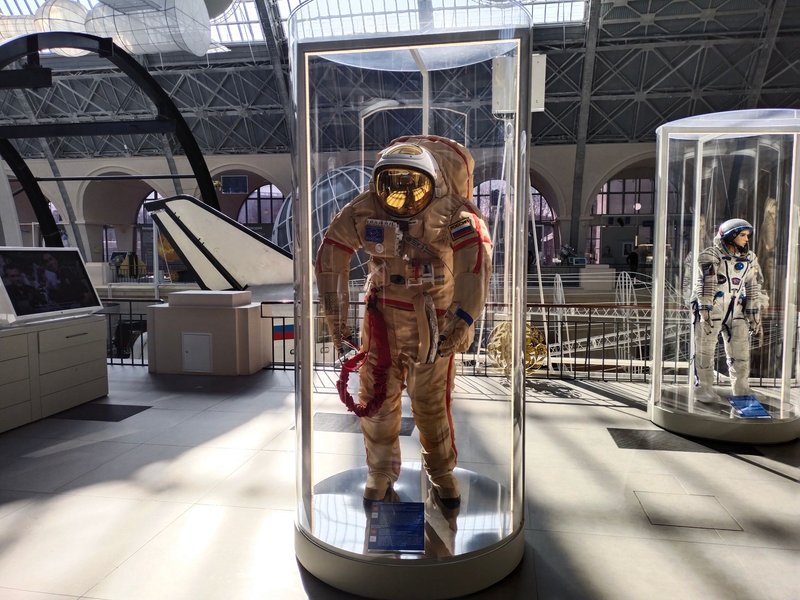
This is the one that shows up on “best planetariums in the Midwest” lists, and it earns the spot. The Justice Planetarium sits inside the Kansas Cosmosphere and Space Center, a Smithsonian-affiliated museum that holds a spaceflight artifact collection second only to the Smithsonian’s own National Air and Space Museum — Apollo 13’s Odyssey capsule and a Liberty Bell 7 Mercury capsule are both on permanent display a short walk from the dome.
The dome itself runs 60 feet across, projected in 4K, and it’s the venue that started life as a converted IMAX screen — the Cosmosphere was among the first theaters in the country to swap a film projector for a single digital one. Shows rotate through science documentaries and full-dome experiences; recent programming has included “The Dark Side of the Moon” and a nightly 4 p.m. show called “Orbital,” with weekend evening slots added Friday and Saturday.
The museum runs Sunday 9 a.m.–5 p.m., is closed Monday and Tuesday, Wednesday and Thursday 9 a.m.–5 p.m., and Friday and Saturday 9 a.m.–7 p.m. Tickets work on a tiered system: you can buy planetarium access on its own or get the All-Access Mission Pass, which folds in the Hall of Space Museum, CosmoKids, a Digital Dome Theater documentary, a planetarium show, and a ride on the flight simulator. Showtimes shift around school field trips and private rentals, so calling ahead (620-665-9347) beats trusting a stale online schedule.
This is the only one of the three built for a full day out. Budget three to four hours if you want the museum and a show, not just a quick planetarium visit.
L. Russell Kelce Planetarium — Pittsburg State University
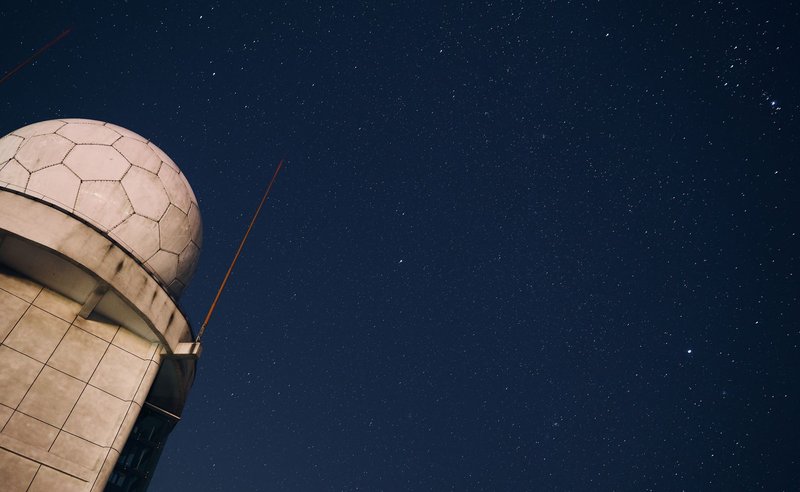
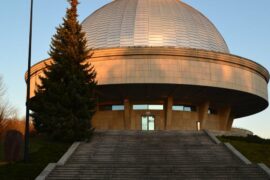
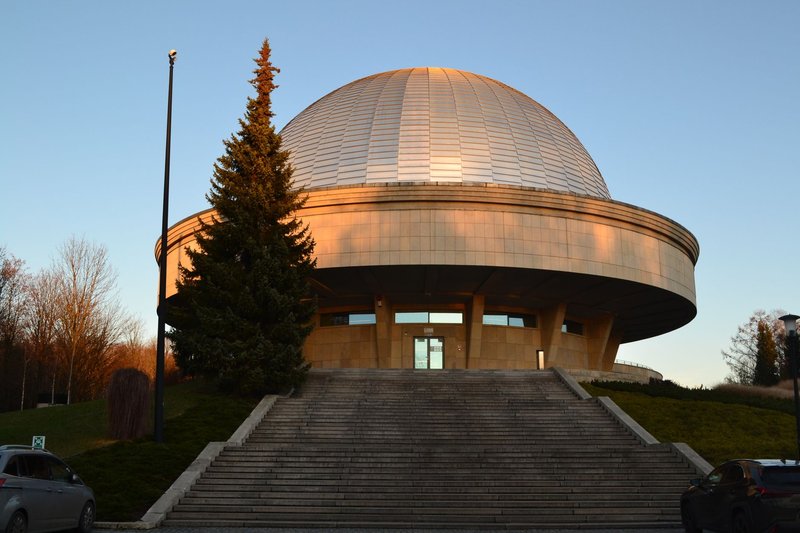
The Kelce Planetarium has been running out of Pittsburg State’s Yates Hall since 1964, when the university’s president reportedly insisted the building’s blueprints include a dome. Over 10,000 people came through in its first year, which is a big number for a campus that had barely finished pouring the concrete.
It’s a small operation: about 50 seats under the dome, a Digitarium Zeta projector running the night sky, and a physics department that runs it more as public outreach than a business. A typical public program pairs a live tour of the current night sky with a short feature. Admission is $3 for adults and $2 for students, seniors, and kids, paid in cash at the door.
There isn’t a fixed weekly schedule — shows run periodically through the semester, and the department posts specific dates rather than a standing calendar. If you’re planning a trip around it, check the physics department’s page or call ahead (620-235-4391) instead of assuming a Saturday matinee exists. The building is wheelchair accessible, which isn’t guaranteed at a facility built in the 1960s and is worth confirming if it affects your visit.
Kelce isn’t a destination on its own. But if you’re in Pittsburg for any reason and a show happens to line up, three dollars is a low bar to clear.
Peterson Planetarium — Emporia State University
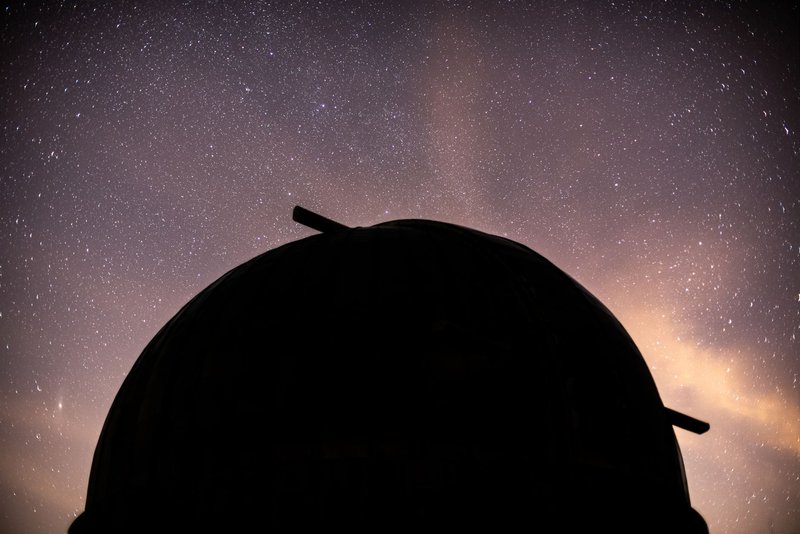
Peterson is the oldest of the three, opened in 1959 in the sub-basement of Emporia State’s Cram Science Hall, and the smallest, with a 24-foot dome seating 38 people. It got a real update in 2014, when the university added hemispherical mirror projection for full audio-video dome programming on top of the Spitz star projector installed in 1996. It’s not flashy, but it’s not stuck in 1959 either.
Shows run free, open to the public, and pitched at ages 5 and up, which makes this the pick if you’re bringing young kids who might get restless at a 45-minute Cosmosphere documentary. Programming leans seasonal and topical: past shows have covered weather phenomena, holiday-themed sky tours, and general night-sky orientation. Public shows run on select Wednesdays, Thursdays, and Saturdays, and you need to reserve a seat in advance through Emporia State’s planetarium page rather than just walking in.
There’s no admission fee, though the university suggests a $25 donation for group bookings. For a school field trip or a rainy Saturday with kids, that price is hard to beat.
Which one should you actually visit
If you’re planning a trip around Kansas planetariums specifically, the Cosmosphere is the only one that justifies the drive on its own — the dome, the museum, and the artifact collection add up to a real day trip, not a quick stop. Kelce and Peterson are worth building into a visit if you’re already in Pittsburg or Emporia for something else: a campus visit, a ballgame, a stop between Wichita and Kansas City. Both charge little or nothing, and both are staffed by people who clearly like talking about the sky.
What none of them are is a Kansas City attraction. If a “best planetariums near Kansas City” search brought you here, Union Station’s dome is a genuinely good one — it’s just across a state line from everything on this list.