
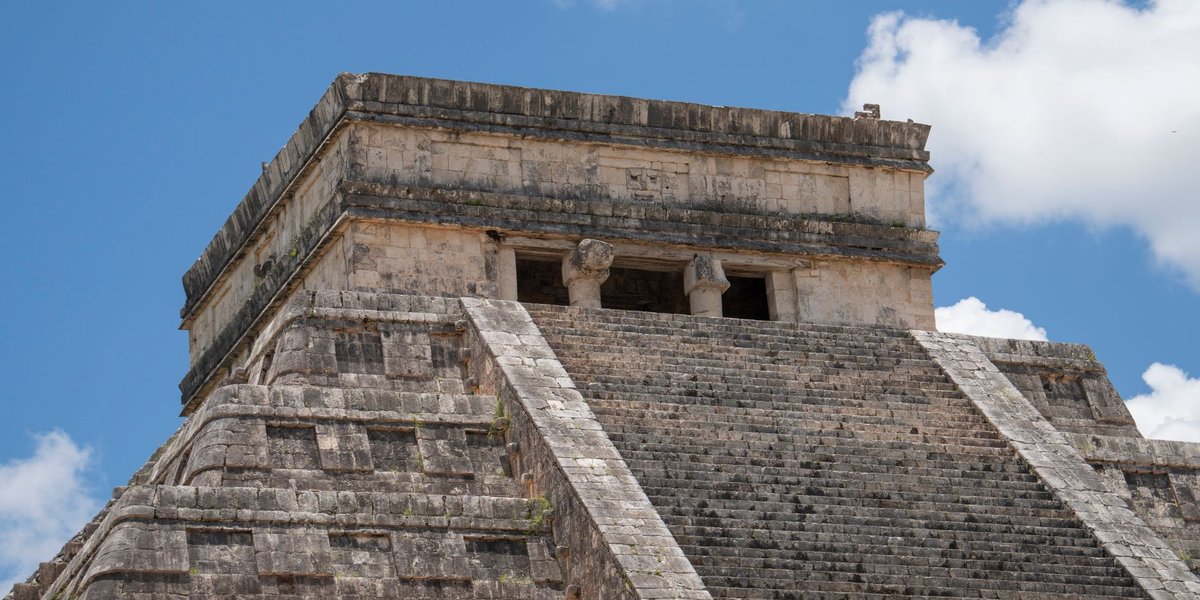
The Mayan zodiac isn’t a wheel of twelve months. It’s the Tzolk’in, a 260-day calendar where your sign is set by the day you were born, so a different sign takes over every 24 hours. Two siblings born a week apart get different signs. Two people born 260 days apart get the same one.
That’s the first thing most “Mayan zodiac signs” lists skip. The second is that your sign comes with a number from 1 to 13, which is why a Maya daykeeper would call you “4 Jaguar” and not just “Jaguar.” This guide covers all 20 signs, the numbers, and a step-by-step way to work out yours.
TLDR
- The 20 Mayan zodiac signs are the day signs of the 260-day Tzolk’in calendar: Crocodile, Wind, House, Lizard, Serpent, Death, Deer, Rabbit, Water, Dog, Monkey, Grass, Reed, Jaguar, Eagle, Vulture, Earth, Flint, Rain and Flower.
- Your full birth sign is a number (1 to 13) plus a day sign, such as 7 Akbal.
- The 365-day Haab calendar is a separate system with 19 periods. It isn’t the one behind the 20 day signs.
- The personality readings below are a modern popular adaptation, not a traditional Maya horoscope.
Table of Contents
- How the Mayan zodiac works
- The 20 Mayan day signs at a glance
- The 20 Mayan zodiac signs, one by one
- How to find your Mayan zodiac sign
- What the number in front of your sign means
- Mayan zodiac vs. Western astrology
- Where this comes from, and what it isn’t
How the Mayan zodiac works
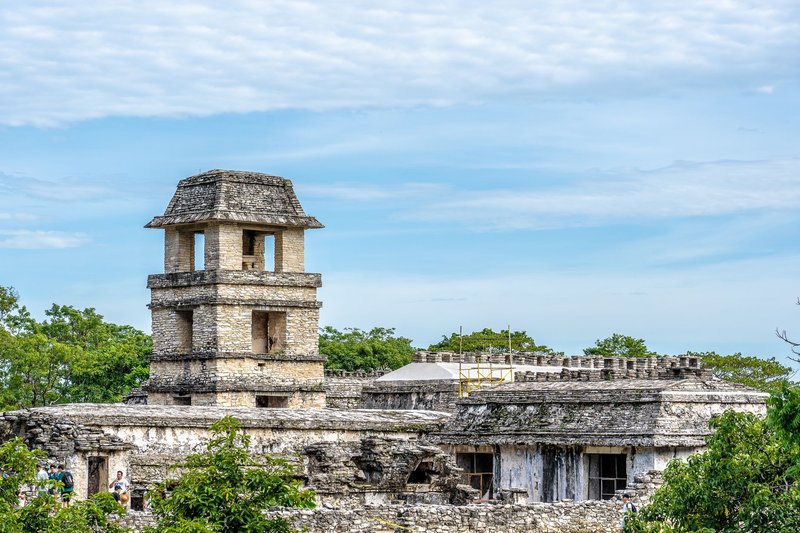
The Tzolk’in (Chol Q’ij in K’iche’ Maya) pairs a cycle of 20 day glyphs with a cycle of numbers from 1 to 13. Both run at the same time and never pause, so the combinations don’t repeat until 13 × 20 = 260 days have passed. According to the Smithsonian’s National Museum of the American Indian, the result is 260 unique days with no month divisions. Day 1 Imix is followed by 2 Ik, then 3 Akbal, and so on. After 13 Ben comes 1 Ix, because the number cycle restarts while the glyph cycle keeps going.
The Haab is the other calendar people mix up with it. It tracks the solar year: 18 months of 20 days plus a five-day closing period called Wayeb, 365 days in all. Some zodiac pages, including a few on the first results page, build a “Mayan zodiac” from the Haab’s 19 periods. That gives you a different list with date ranges, closer to a Western horoscope in shape. This post covers the Tzolk’in, the system traditional day-keepers use for naming people and picking ceremony days.
The two calendars lock together. A given Tzolk’in day and Haab date line up again only every 52 years, a cycle known as the Calendar Round.
The 20 Mayan day signs at a glance
The English names below are conventional translations of the glyphs, and different sources translate some of them differently (Kan appears as Lizard or Seed, Ahau as Flower, Lord or Sun). The Yucatec names are the ones used for the ancient Maya of the Yucatán lowlands and in most calculators. The K’iche’ names come from the highland Guatemalan count, which is still kept by daykeepers today.
| # | Yucatec | K’iche’ | Glyph meaning | Keywords |
|---|---|---|---|---|
| 1 | Imix | Imox | Crocodile | Origins, nurture, instinct |
| 2 | Ik’ | Iq’ | Wind | Breath, change, communication |
| 3 | Ak’b’al | Aq’ab’al | House / Night | Home, dreams, introspection |
| 4 | K’an | K’at | Lizard / Seed | Growth, abundance, patience |
| 5 | Chikchan | Kan | Serpent | Life force, passion, vitality |
| 6 | Kimi | Kame | Death | Endings, transformation, release |
| 7 | Manik’ | Kej | Deer | Grace, balance, service |
| 8 | Lamat | Q’anil | Rabbit / Star | Luck, harmony, fertility |
| 9 | Muluk | Toj | Water | Offering, emotion, cleansing |
| 10 | Ok | Tz’i’ | Dog | Loyalty, law, guidance |
| 11 | Chuwen | B’atz’ | Monkey | Craft, play, creativity |
| 12 | Eb’ | E | Grass / Road | Path, service, destiny |
| 13 | Ben | Aj | Reed | Authority, home, stability |
| 14 | Ix | I’x | Jaguar | Magic, night, protection |
| 15 | Men | Tz’ikin | Eagle | Vision, freedom, perspective |
| 16 | Kib’ | Ajmaq | Vulture / Owl | Wisdom, ancestors, forgiveness |
| 17 | Kab’an | No’j | Earth | Thought, movement, knowledge |
| 18 | Etz’nab’ | Tijax | Flint | Truth, clarity, sharp edges |
| 19 | Kawak | Kawoq | Rain / Storm | Community, release, cleansing |
| 20 | Ajaw | Ajpu | Flower / Lord | Light, leadership, completion |
The 20 Mayan zodiac signs, one by one
Each entry gives the traits, strengths and challenges that popular Mayan astrology attaches to the sign, plus a “pairs with” line. The pairings are a modern convention for people who like to check compatibility. They aren’t part of the traditional count, so treat them as a conversation starter.
1. Imix (Crocodile)
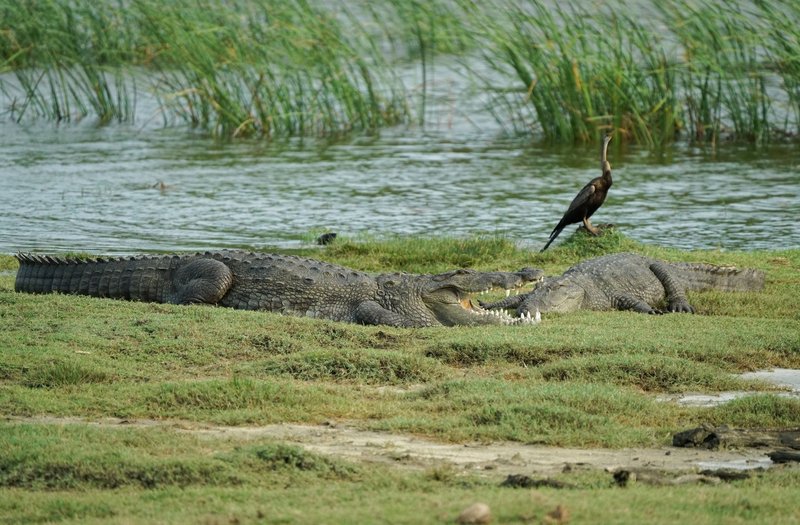
Imix opens the cycle, so this sign is tied to beginnings: the primordial waters, the first crocodile-like earth floating on them. Imix people are described as instinctive, nurturing and fiercely protective of the people they claim as theirs.
Strengths: emotional intuition, resilience, a talent for starting things. Challenges: moodiness, and a habit of retreating under the surface when stressed. Pairs with: Akbal and Muluk, the other water-and-night signs.
2. Ik’ (Wind)
Ik’ is breath, spirit and weather. People under this sign are said to be restless thinkers who talk their way through problems and change their minds out loud.
Strengths: communication, adaptability, quick thinking. Challenges: scattered focus, and a tendency to be blown off course by every new idea. Pairs with: Men and Ben, who give the wind something to carry.
3. Ak’b’al (House / Night)
Ak’b’al covers the dark before dawn and the interior of a home. It’s the sign of dreamers and people who work things out alone, in a quiet room, overnight.
Strengths: imagination, loyalty to home and family, inner calm. Challenges: shyness, brooding, and a reluctance to step into daylight. Pairs with: Imix and Kib’.
4. K’an (Lizard / Seed)
K’an is a ripening seed, which is why some sources call it Seed and others Lizard. Patience is the point: the sign rewards people who plant early and wait.
Strengths: steady growth, generosity, a sense of timing. Challenges: impatience when results lag, and holding on to things past their season. Pairs with: Lamat and Kab’an.
5. Chikchan (Serpent)
Chikchan is the coiled serpent, linked to life force and the body. These are the high-energy, physically driven people in the group: passionate, direct, hard to ignore.
Strengths: vitality, courage, instinctive reading of other people. Challenges: a quick temper, and intensity that tires everyone else out. Pairs with: Ix and Etz’nab’.
6. Kimi (Death)
The name sounds grim and the meaning isn’t. Kimi stands for endings that make room for something else, closer to transformation than to mortality. It’s one of the signs most associated with ancestors and with letting go.
Strengths: perspective, calm in a crisis, comfort with change. Challenges: clinging to the past, and a dark sense of humor others don’t always get. Pairs with: Kib’ and Kawak.
7. Manik’ (Deer)
Manik’ is the deer: alert, graceful and light on its feet. The glyph also shows a hand, and some traditions tie the sign to healing and service.
Strengths: poise, a gift for keeping the peace, practical helpfulness. Challenges: skittishness, and giving more than the situation asks for. Pairs with: Lamat and Eb’.
8. Lamat (Rabbit / Star)
Lamat’s glyph is a star, and the rabbit comes from the Maya image of the rabbit on the moon. The sign is associated with luck, abundance and a talent for multiplying whatever’s put in front of it, from ideas to friendships.
Strengths: optimism, harmony, creative fertility. Challenges: scattering energy, and taking good fortune for granted. Pairs with: K’an and Manik’.
9. Muluk (Water)
Muluk is the offering: water poured out, rain given back. People born under it are described as emotional, intuitive and tuned to other people’s moods, sometimes before those people notice them.
Strengths: empathy, generosity, a knack for healing rifts. Challenges: absorbing other people’s feelings, and difficulty setting limits. Pairs with: Imix and Kawak.
10. Ok (Dog)
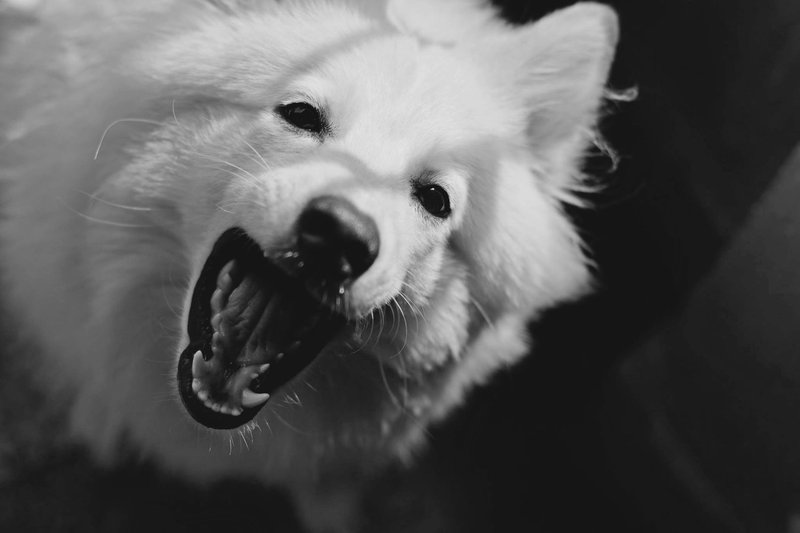
Ok is the loyal dog, and in Maya thought the sign also covers guidance and the rule of law. This is the person who remembers your birthday and also knows exactly what the contract said.
Strengths: loyalty, fairness, protectiveness. Challenges: rigidity, and a habit of treating a disagreement as a betrayal. Pairs with: Ben and Chuwen.
11. Chuwen (Monkey)
Chuwen is the monkey, and the sign is a patron of artists, weavers and craftspeople. In Maya myth, the monkey brothers Hun Batz and Hun Chuen were patrons of every art, and the sign inherits that reputation.
Strengths: creativity, humor, quick hands and a quicker mind. Challenges: distraction, and playing the clown to avoid serious conversations. Pairs with: Ok and Ajaw.
12. Eb’ (Grass / Road)
Eb’ is the road, the stairway and the grass that grows over both. It’s the sign of people who feel responsible for the path the group is walking and often end up at the front of it.
Strengths: reliability, humility, strong sense of purpose. Challenges: carrying other people’s burdens, and difficulty asking for help. Pairs with: Manik’ and Etz’nab’.
13. Ben (Reed)
Ben is the reed, a plant that grows straight, hollow and tall near water. The sign is tied to authority, the household and the idea of a pillar that others lean on.
Strengths: leadership, steadiness, a talent for organizing people. Challenges: bossiness, and the assumption that the group needs a boss. Pairs with: Ik’ and Ok.
14. Ix (Jaguar)
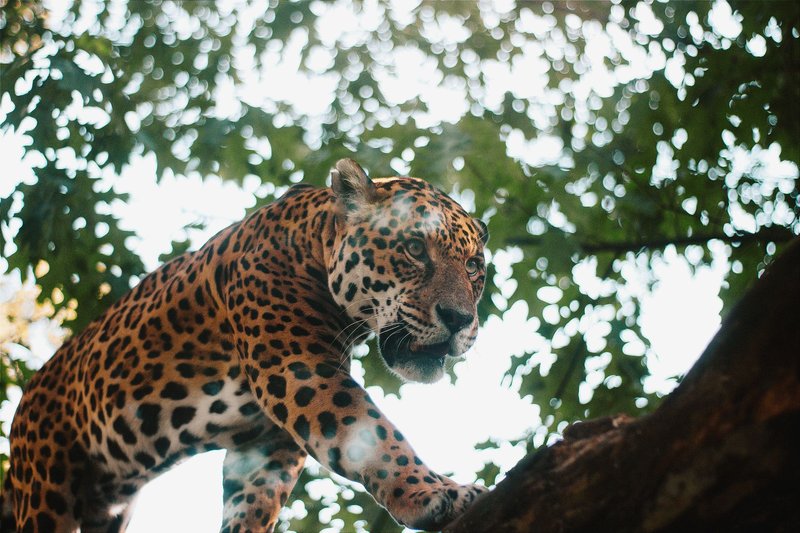
The jaguar was the animal of night, caves and the underworld in Maya belief, and Ix is the sign of magic and protective power. People under this sign are described as private, magnetic and hard to fool.
Strengths: intuition, courage, a presence that fills a room without effort. Challenges: secrecy, and a temper that arrives with no warning. Pairs with: Chikchan and Men.
15. Men (Eagle)
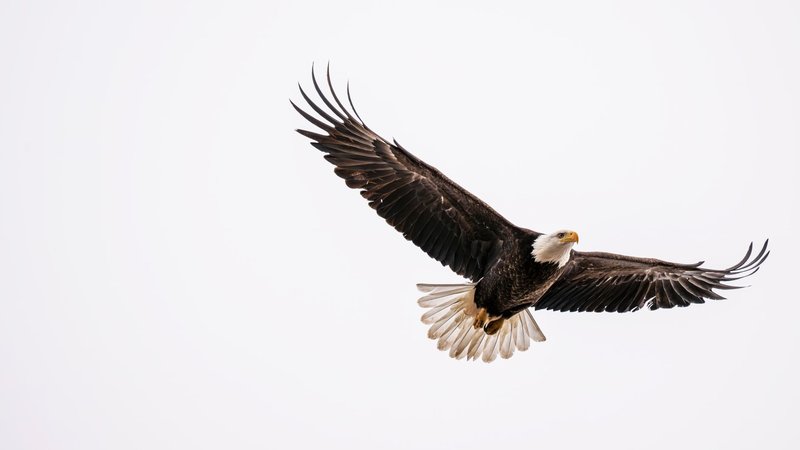
Men is the eagle’s long view. The sign is linked to vision, freedom and big-picture thinking, and Men people are said to see the pattern while everyone else is arguing over details.
Strengths: foresight, independence, ambition. Challenges: detachment, and impatience with people who can’t see what they see. Pairs with: Ik’ and Ix.
16. Kib’ (Vulture / Owl)
Kib’ is the vulture, which in Maya thought is connected to wisdom, forgiveness and the ancestors rather than to gloom. It’s a sign of old souls who take the long way round to a decision and rarely regret it.
Strengths: wisdom, patience, a capacity for forgiveness. Challenges: dwelling on old hurts, and a distrust of anything new. Pairs with: Ak’b’al and Kimi.
17. Kab’an (Earth)
Kab’an is the earth, and the glyph is tied to the idea of movement under it, including earthquakes. People born on this day are thinkers: curious, well-read and quietly stubborn.
Strengths: intelligence, groundedness, a gift for applying ideas. Challenges: overthinking, and digging in when challenged. Pairs with: K’an and Kawak.
18. Etz’nab’ (Flint)
Etz’nab’ is the flint blade. It cuts, it clarifies, and it sparks. The sign belongs to truth-tellers who say the thing nobody else will.
Strengths: honesty, discernment, decisiveness. Challenges: bluntness that lands as cruelty, and difficulty softening a verdict. Pairs with: Chikchan and Eb’.
19. Kawak (Rain / Storm)
Kawak is the storm that breaks, and the glyph is associated with clouds, lightning and the community that gathers when the rain comes. These are the people who show up when someone’s roof falls in.
Strengths: generosity, resilience, an instinct for bringing people together. Challenges: dramatic mood swings, and exhausting themselves for others. Pairs with: Muluk and Kab’an.
20. Ajaw (Flower / Lord)
Ajaw closes the cycle. The word means lord or ruler in many Mayan languages, and the sign is tied to light, the sun and completion. Ajaw people are described as warm, charismatic and driven to finish what they begin.
Strengths: vision, charisma, a sense of responsibility. Challenges: ego, and a belief that every room needs their stamp on it. Pairs with: Chuwen and Imix.
How to find your Mayan zodiac sign
There’s no clean “if you were born between X and Y” table, because the Tzolk’in doesn’t map onto the calendar year. You count days. Calculators do exactly this, and the steps below let you check one by hand. They use the standard GMT correlation, which fixes 21 December 2012 as the day 4 Ahau (the end of the 13th b’ak’tun, a date that Maya scholars never read as an apocalypse).
- Count the days between your birthday and 21 December 2012. Any online date calculator does this. Call the answer D.
- Find D mod 13 and D mod 20. That’s the remainder after dividing D by 13 and by 20. Call them r13 and r20.
- If you were born before 21 December 2012, count backward. Your number is 4 − r13, adding 13 if the result is zero or negative. Your sign’s position in the table is 20 − r20.
- If you were born after that date, count forward. Your number is 4 + r13, subtracting 13 if it goes over 13. Your sign’s position is r20, with a remainder of 0 meaning position 20 (Ajaw).
- Look up the position in the table above. Combine it with the number, and you have your full day name.
Worked example. Take 15 March 1990. That’s 8,317 days before 21 December 2012. 8,317 divided by 13 leaves a remainder of 10, so the number is 4 − 10 = −6, and adding 13 gives 7. Dividing by 20 leaves 17, so the position is 20 − 17 = 3, which is Ak’b’al. The birth sign is 7 Ak’b’al, or 7 Aq’ab’al in K’iche’.
A second check, for the forward direction: 1 January 2025 is 4,394 days after 21 December 2012. The remainder by 13 is 0, so the number is 4, and the remainder by 20 is 14, which is Ix. That day is 4 Ix.
Most calculators treat the day as midnight to midnight. Traditional day-keepers don’t always count that way, so if you were born close to a day boundary, read the signs on either side of yours too.
What the number in front of your sign means
The number is the part competitors drop, and it matters in the traditional system. The 13 numbers cycle against the 20 signs, so there are 260 distinct day names. “Jaguar” covers one day in 20. “4 Jaguar” covers one day in 260.
In popular Mayan astrology, the number shifts the sign’s tone. Low numbers are read as beginnings and raw energy, middle numbers as the peak of the sign’s strengths, and 13 as completion or mastery. Treat that as interpretation, not a fixed rulebook. What’s firmly established is that the number and the glyph together name the day, and ceremonial specialists use the full name.
Mayan zodiac vs. Western astrology
| Mayan zodiac (Tzolk’in) | Western zodiac | |
|---|---|---|
| Cycle length | 260 days | 365.25 days |
| Number of signs | 20 day signs plus 13 numbers | 12 signs |
| How a sign changes | Every day | Roughly every month |
| Based on | A running count of days | The Sun’s position along the ecliptic |
| Planet positions | Not used | Central to the chart |
| Birth chart | Day sign and number | Sun, Moon, rising and more |
The biggest difference is practical. Western astrology starts from the sky: where the Sun, Moon and planets sit along the ecliptic when you’re born. The Tzolk’in starts from a count that doesn’t depend on any celestial event, and scholars still debate why the count is 260 days. Human gestation, the agricultural cycle and the Sun’s passage overhead at the latitudes of early Maya sites all appear in the literature, and none has settled the question.
Where this comes from, and what it isn’t
Everything above is a modern, popular reading of a sacred calendar. The Tzolk’in is not a horoscope in the Western sense. In Guatemala’s highlands it’s still kept alive by daykeepers (aj q’ij in K’iche’), who, as anthropologist Allen Christenson describes in Archaeology magazine, track the cycles of time, perform the rituals that keep them running and heal the sick. A daykeeper’s work is ceremonial and communal. It isn’t a personality test.
The closest traditional idea to a “zodiac sign” is the nawal (also written nahual). In K’iche’ thought, each day has a nawal, a spiritual force that attaches to the people born on it. That’s why the K’iche’ names are the ones to use if you want to talk about your sign with anyone from the living tradition. The English-friendly personality lists you’ll find online, including the one above, grew out of the 20th century, when writers combined highland Maya day names with Aztec animal glyph names and Western-style character sketches.
None of that stops the signs being a good way into a remarkable calendar. Just know which part is old and which part is new. The 260-day count is the old part, and it’s still running.