Most galaxy name lists mix in boys, dogs and fictional characters, then get half the meanings wrong. One popular roundup glosses the star Algol as a programming language. This one is girls only, and every origin below was checked against a naming reference or the astronomy behind it.
The list has 50 names in six groups: actual galaxies, stars, constellations, moons, everyday sky words, and women who changed astronomy. Each entry gives a meaning, a pronunciation where it’s tricky, and a nickname or sibling pairing.
Table of contents
- Quick picks
- Galaxy names for girls that are actual galaxies
- Star names
- Constellation names
- Moon names
- Sky words
- Names from women who changed astronomy
- How to choose a space name
- FAQ
Quick picks
| If you want… | Pick | Why |
|---|---|---|
| The most literal galaxy name | Andromeda | It’s the nearest large galaxy to ours, about 2.5 million light-years away |
| The most unique | Thalassa | A moon of Neptune and the Greek word for “sea” |
| The most popular | Luna | It sat in the US top 10 for years and now hovers just outside it |
| The best nicknames | Cassiopeia | Cass, Cassie, Sia, Pea |
| A sibling set | Maia, Electra, Merope | Three of the seven Pleiades sisters |
| The easiest to spell | Stella | Latin for “star,” no one will ever ask how it’s spelled |
| The best story | Vera | After Vera Rubin, whose galaxy measurements exposed dark matter |
Galaxy names for girls that are actual galaxies
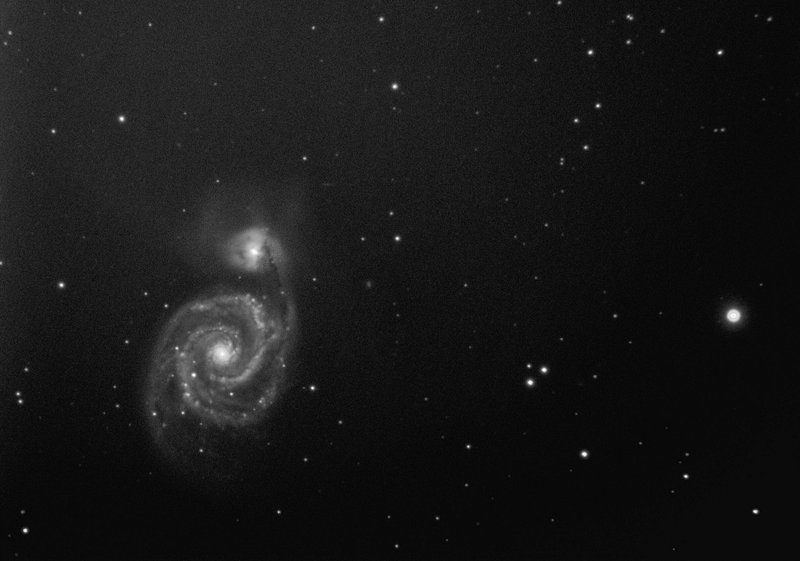
Real galaxies rarely have human names. A few do, and a couple of invented ones have caught on. Be realistic about popularity here: in recent Social Security Administration data, Galaxy itself lands somewhere around 4,000th to 5,600th depending on the year. Your daughter will almost certainly be the only one in her class. For a wider catalog of galaxy-derived names, see The Complete List of Galaxy Names.
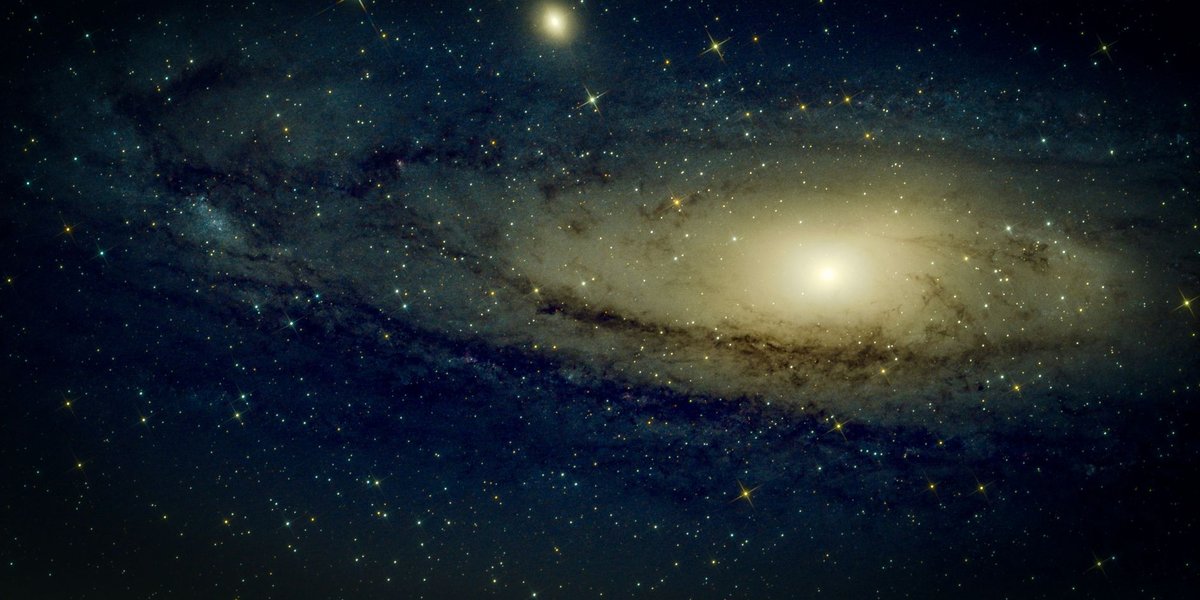
1. Andromeda (an-DROM-eh-duh). From the Greek for “ruler of men.” In myth she’s the princess chained to a rock as a sacrifice to a sea monster, then rescued by Perseus. The Andromeda Galaxy (M31) is the one you can see from a dark site with the naked eye, a smudge about six full moons wide. Nicknames: Andie, Drommie, Meda. Pairs well with a brother named Perseus or Orion.
2. Galaxy. From the Greek galaxias, “milky,” from gala, “milk.” It’s the most direct name here and the hardest to carry. Expect Samsung jokes on the playground, and decide early whether she goes by Galaxy or by Gal, Lexie or Gigi. A strong middle name helps: Galaxy Rose, Galaxy Eleanor.
3. Galexia (guh-LEK-see-uh). An invented respelling with no historical origin, so there’s no meaning to verify beyond “galaxy.” The extra letters make it look like a name instead of a noun. It leans on Alexia and Lexi, which gives you the nickname for free.
4. Lindsay. The Lindsay-Shapley Ring is a ring galaxy in the southern constellation Volans, found in 1960 by Eric Lindsay and Harlow Shapley. As a name, Lindsay comes from an English surname tied to Lincolnshire, so it carries no astronomical meaning on its own. It’s the most conventional name on this list, a quiet nod that only you will know about. Nicknames: Lindy, Linz.
5. Malin (mah-LEEN). Malin 1 is one of the largest known spiral galaxies, with a faint disk spread across millions of light-years, and it’s named for its discoverer, the astronomer David Malin. As a girl’s name, Malin is a Swedish short form of Magdalena, so you get a real, established name with a galaxy hiding in it. Pairs well with Elsa, Maja or Astrid as a sibling.
6. Nebula. From the Latin for “cloud” or “mist.” It isn’t a galaxy, but it’s the other name people search for in this category. It’s the boldest pick here, and Marvel fans will think of Gamora’s sister. If you love it, use it as a middle name and let her decide later.
Star names

Star names are the richest source for girls, because many come from Latin, Greek and Arabic words that already work as names. The International Astronomical Union keeps the official list of star names, and the ones below are all on it or tied to well-documented myths.
7. Adhara (uh-DAR-uh). Arabic, usually translated as “the virgins.” It’s the second-brightest star in Canis Major and, oddly, the brightest source of extreme ultraviolet light in our sky. Nicknames: Dara, Adi. Pairs with Sirius as a nickname for a big dog, if you’re feeling thematic.
8. Alcyone (al-SY-oh-nee). The brightest star in the Pleiades cluster, named for one of the seven sisters. The Greek root gives us “halcyon,” as in halcyon days, from the kingfisher that myth says calmed the seas. Nicknames: Ally, Cy, Alcie.
9. Bellatrix (bell-AY-trix). Latin for “female warrior,” and the star that marks Orion’s left shoulder. Harry Potter fans will hear a villain, so know that going in. Nicknames: Bella, Trixie, Bell. Pairs naturally with Orion.
10. Capella (kuh-PEL-uh). Latin for “little she-goat,” the brightest star in Auriga. It looks like one star but is really four. As a name it sounds close to the musical term a cappella, which is a nice side meaning. Nicknames: Cappy, Ella, Pella.
11. Electra. From the Greek elektron, “amber,” which is also where we get the word “electricity.” In myth she’s one of the Pleiades and the mother of Dardanus, the founder of Troy. Nicknames: Ellie, Elle, Tra. Pairs with Maia and Merope.
12. Maia (MY-uh). Another Pleiades sister, mother of Hermes. The Greek word means “good mother” or “nurse,” and Maia was also a Roman goddess of growth, which is how May got its name. It’s short, easy and already a steady choice in the US. Nicknames: Maya, Mimi.
13. Merope (MEHR-oh-pee). The faintest of the Pleiades by ancient reckoning, supposedly because she was the only sister to marry a mortal and hid her face in shame. The meaning of the name itself is uncertain, so don’t trust anyone who gives you a confident translation. Nicknames: Merry, Mero, Pia.
14. Mira (MEER-uh). Latin for “wonderful.” Mira is also the first variable star ever identified, in the constellation Cetus. Its brightness swings by a factor of more than a thousand over about 11 months. Few names are this easy to say, spell and explain. Nicknames: Mimi, Mirabelle.
15. Spica (SPY-kuh). Latin for “ear of grain,” the brightest star in Virgo, where it marks the wheat in the maiden’s hand. It’s rare as a name and sounds like Erica or Jessica with a twist. Nicknames: Spike (for the brave), Pica, Spi.
16. Vega (VAY-guh). From the Arabic for “swooping eagle,” and the fifth-brightest star in the night sky. In 1850 it became the first star other than the Sun ever photographed. Vega works as a first or middle name, and it’s gender-neutral enough to survive any phase. Pairs with Altair if you have twins.
Constellation names

Constellation names are long and lyrical. They also come with myths, and that gives you a bedtime story built in. For a longer list, see Constellation Names for Girls.
17. Cassiopeia (kass-ee-oh-PEE-uh). The vain queen in Greek myth, mother of Andromeda, who is drawn in the sky as a W or M depending on the season. The meaning is unclear, though it’s sometimes linked to “she whose words excel.” This is the nickname champion: Cass, Cassie, Sia, Pea, Opie. Pairs with Andromeda for sisters, since they sit side by side in the sky.
18. Lyra (LY-ra). Greek for “lyre,” the instrument of Orpheus, and the small constellation that contains Vega. It’s the cleanest name in this section: short, melodic and already in use thanks to Philip Pullman’s heroine. Nicknames: Ly, Lyri.
19. Carina (kuh-REE-nuh). Latin for “keel,” the bottom of the ship Argo in the old Greek story. The constellation holds the Carina Nebula and Canopus, the second-brightest star in the sky. In Italian and Spanish, carina also means “dear” or “sweet,” which makes it a gentle name with real roots. Nicknames: Cari, Rina.
20. Vela (VAY-luh). Latin for “sails,” another piece of the broken ship Argo. The constellation hosts the Vela Pulsar, a spinning neutron star that flashes about 11 times a second. In Spanish, vela also means candle. It’s short, uncommon and doesn’t need explaining. Nicknames: Vee, Velly.
21. Corona (kor-OH-nuh). Latin for “crown.” Corona Borealis is the small arc of stars said to be Ariadne’s wedding crown. Since 2020, the word has been tied to a virus for many people, so weigh that. If you can’t get past it, Coralie or Corinna keep the sound. Nicknames: Cora, Rona.
22. Berenice (BEHR-eh-NY-see, or buh-NEES). The constellation is Coma Berenices, “Berenice’s hair,” named for Queen Berenice II of Egypt, who cut off her hair in the third century BC as an offering for her husband’s safe return. The name comes from the Macedonian Greek Pherenike, “bringer of victory.” Nicknames: Bernie, Bee, Nicky. A vintage name with a haircut story.
Moon names
Moons are the best hunting ground for unusual girl names. Most come from Greek myth or Shakespeare, so you get a real name and a real world orbiting somewhere. NASA keeps a list of the solar system’s moons if you want to see the full set.
23. Callisto (kuh-LISS-toe). The Greek for “most beautiful,” given to a nymph who was turned into a bear and set in the sky as Ursa Major. Jupiter’s moon Callisto is the third-largest moon in the solar system and one of the most heavily cratered objects known. Nicknames: Callie, Cal, Cali.
24. Calypso (kuh-LIP-so). From the Greek for “she who conceals,” the nymph who held Odysseus on her island for seven years. Saturn’s moon Calypso shares an orbit with Tethys and keeps ahead of it. Nicknames: Callie, Cal, Lyp. It’s also the name of a Caribbean music style, which adds energy.
25. Titania (tih-TAY-nee-uh or tih-TAHN-ee-uh). The queen of the fairies in Shakespeare’s A Midsummer Night’s Dream, and the largest moon of Uranus, discovered by William Herschel in 1787. In Ovid the word describes female descendants of the Titans. Nicknames: Tia, Nia, Tani. Pairs well with Oberon if you’re feeling theatrical.
26. Cordelia. King Lear’s honest youngest daughter and a small moon of Uranus, found by Voyager 2 in 1986. The origin of the name is debated. It may come from the Latin cor, “heart,” or from a Celtic root. Cordelia is the most wearable name in the moon group, and the nicknames are many: Delia, Cora, Cordie, Dee.
27. Ophelia. Hamlet’s tragic love interest and another Voyager 2 moon of Uranus. The name comes from the Greek ophelos, “help” or “benefit.” The Shakespearean sadness is real, so some parents skip it, though it’s been climbing in popularity. Nicknames: Effie, Phee, Lia, Ophie.
28. Miranda. Prospero’s daughter in The Tempest, whose name Shakespeare more or less invented from the Latin for “admirable” or “to be wondered at.” The moon Miranda has the strangest terrain of any Uranian moon, including a cliff about 20 km high that’s among the tallest in the solar system. Nicknames: Mira, Randi, Mandy.
29. Rhea (REE-uh). A Titaness, mother of Zeus and the other Olympians, and Saturn’s second-largest moon, discovered by Giovanni Cassini in 1672. The origin is unclear; some link it to a word meaning “flow.” It’s short, strong and easy to say. Pairs with a brother named Atlas or Kai.
30. Phoebe (FEE-bee). Greek for “bright” or “radiant,” a Titaness tied to the moon and to Delphi. Saturn’s moon Phoebe was discovered in 1899 by William Pickering and orbits the planet backward, which suits a name with some attitude. Nicknames: Phoebs, Bee, Pheebs.
31. Europa (yoo-ROH-puh). A Phoenician princess abducted by Zeus in the form of a bull, and the name of a Jupiter moon with a salty ocean beneath its ice, the target of NASA’s Europa Clipper mission. The origin of the name is uncertain. It’s a bold choice, though people may link it to the continent first. Nicknames: Ro, Rory, Pia.
32. Thalassa (thuh-LASS-uh). Greek for “sea,” and a small inner moon of Neptune. It’s about as unique as a name with real roots gets. Nicknames: Tally, Thali, Lassie (maybe not). Pairs with Triton for a brother, if you want to make it a Neptune set.
Sky words
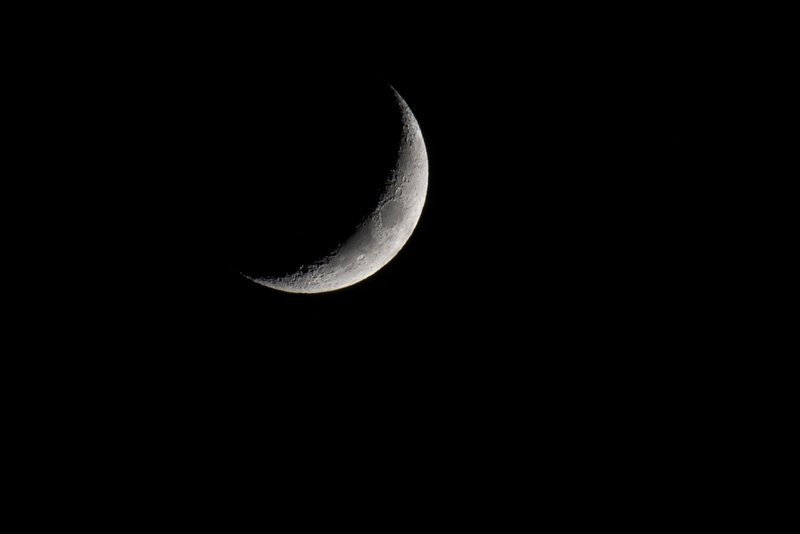
These aren’t specific objects. They’re the common vocabulary of the sky, and they’re the names you’ll hear most on playgrounds.
33. Luna. Latin for “moon,” and the Roman moon goddess. In the US, Luna sat in the top 10 girl names for several years and slipped just out of it in 2024. If you want it with fewer classmates, Selene is the Greek equivalent. Nicknames: Lulu, Lu, Lunie.
34. Stella. Latin for “star.” The name was popularized in the 1590s by Sir Philip Sidney, who used it for the beloved in his sonnet sequence Astrophel and Stella. Stella is a safe, established choice, and it ranks well inside the US top 100. Nicknames: Stelly, Ellie, Ella.
35. Aurora. Latin for “dawn,” the Roman goddess of morning. Galileo coined the term aurora borealis in 1619. Aurora is common in the US now, so it’s not rare, but it’s lovely and rhymes with nothing embarrassing. Nicknames: Rory, Rora, Auri.
36. Celeste (seh-LEST). From the Latin caelestis, “heavenly.” It’s the quiet, French-flavored choice, and it works as a name in several languages. Nicknames: Cece, Cel, Lessie.
37. Nova. Latin for “new.” In astronomy, a nova is a white dwarf star that flares suddenly when it pulls gas from a companion, so a star that looks new. It’s short, modern and a favorite for newborns. Nicknames: Novie, Nova-Jean. It’s gender-neutral, which many parents like.
38. Astra. The Latin plural of astrum, “stars,” from the motto per aspera ad astra, “through hardships to the stars.” Astra works with almost any middle name. Nicknames: Asti, Astie.
Names from women who changed astronomy

If you want a space name with a person behind it, start here. Each of these names comes with a woman who did something real, so it doubles as a story you can tell your daughter. Meanings come from Behind the Name.
39. Vera. After Vera Rubin, who measured how fast stars orbit within galaxies in the 1970s and found they move too fast for the visible matter, evidence for dark matter. The Vera C. Rubin Observatory in Chile is named for her. Vera is Latin for “true” and also Russian for “faith.” Pairs with a sibling named Kent, after her collaborator, if you want an inside joke.
40. Valentina. After Valentina Tereshkova, the first woman in space, aboard Vostok 6 in June 1963. The name comes from Latin valens, “strong” or “healthy.” Nicknames: Val, Tina, Vally, Lina.
41. Sally. After Sally Ride, the first American woman in space, on the Space Shuttle Challenger in 1983. Sally is a pet form of Sarah, from the Hebrew for “princess.” It’s old-fashioned and warm. Pairs with a brother named Neil or Buzz, if you’re brave.
42. Mae. After Mae Jemison, the first Black woman in space, in 1992 aboard Endeavour. Mae is a variant of May and Mary, and it’s short enough to use as a first or middle name. Pairs with almost any first name.
43. Katherine. After Katherine Johnson, the NASA mathematician whose calculations supported the Mercury and Apollo missions. The meaning of Katherine is disputed, though it has long been linked to the Greek for “pure.” Nicknames: Kate, Katie, Kit, Kat.
44. Henrietta. After Henrietta Leavitt, who found in 1912 that the pulsing of Cepheid stars reveals their true brightness. That relationship let Edwin Hubble measure the distance to the Andromeda Galaxy and prove it lies outside the Milky Way. The name is a feminine form of Henry, “home ruler.” Nicknames: Hettie, Etta, Hen, Henny.
45. Caroline. After Caroline Herschel, who in 1786 became the first woman to discover a comet. She found eight in all, plus several nebulae. Caroline is feminine for Charles, from a Germanic word for “free man.” Nicknames: Carrie, Callie, Caro, Lina.
46. Cecilia. After Cecilia Payne, whose 1925 doctoral thesis showed that stars are made mostly of hydrogen and helium. The establishment dismissed it at first. The name is Latin, from a root usually traced to “blind,” and Saint Cecilia is the patron saint of music. Nicknames: Cece, Celia, Cissy, Cilla.
47. Jocelyn. After Jocelyn Bell Burnell, who discovered the first pulsars in 1967 as a graduate student. The name began as a Germanic tribal name and was originally masculine. Nicknames: Joss, Joce, Lyn.
48. Maria. After Maria Mitchell, who discovered a comet in 1847 and became the first professional woman astronomer in the US. Maria is the Latin form of Mary. It works in nearly every language, which helps in a multilingual family. Nicknames: Mari, Ria, Mia.
49. Margaret. After Margaret Hamilton, who led the team that wrote the onboard flight software for Apollo at MIT. The name comes from the Greek margarites, “pearl.” Nicknames: Maggie, Meg, Greta, Daisy, Peggy.
50. Eileen. After Eileen Collins, the first woman to pilot a Space Shuttle, in 1995, and the first to command one, in 1999. Eileen is an Anglicized form of the Irish Eibhlín, linked to Evelyn. It’s an old-school name that hasn’t been overused in decades. Nicknames: Eily, Leenie.
How to choose a space name
A few filters narrow 50 names down fast.
Say it with the surname. Names ending in -a collide with surnames that start with a vowel, like Calypso Anderson. Read it aloud five times.
Check how it ages. Galaxy and Nebula are a lot to ask of a 45-year-old in a boardroom. A name like Maia, Vera or Celeste works at any age. Try the “judge test”: does it sound right on a judge, and on a toddler?
Look at the data. The SSA’s baby name database lets you look up any name’s ranking by year. If a name has jumped in the last three years, expect classmates.
Use the middle name slot. Nebula, Andromeda and Corona make strong middle names. A plain first name and a space middle name gives her options.
Think about the sibling set. The Pleiades sisters (Maia, Electra, Merope, Alcyone) make a natural set, as do Uranus’s Shakespeare moons (Cordelia, Ophelia, Titania, Miranda).
FAQ
What are real galaxies that work as girl names?
Few galaxies have human names. Andromeda is the best known, and Malin and Lindsay are named for the astronomers who found the galaxies. Galaxy itself and Galexia are the direct options, and most parents widen the search to stars, moons and constellations.
How do I pronounce space names like Alcyone and Cassiopeia?
Check the pronunciation guides above, or look up the name on Behind the Name, which has audio for many names. For astronomical terms, the IAU’s star-name list is the reference. When two pronunciations exist (Berenice, Titania), both are accepted, so choose the one you like and use it consistently.
Is Galaxy a good name for a girl?
It’s distinctive and easy to spell, and it’s rare enough that she won’t share it. The risks are teasing, the phone connection and the fact that it’s a noun, not a name. Many parents use it as a middle name, or pick Galexia, Andromeda or Stella instead.
Can I officially name a star after my daughter?
No. The International Astronomical Union is the body that names stars, and it doesn’t recognize names sold by commercial registries. Those certificates are keepsakes only. You can still name her after a real star with an official name, such as Vega, Adhara or Bellatrix.
What’s the most popular space name for girls in the US?
Luna is the clear leader among the names here, followed by Stella and Aurora. All three are common enough that she’ll meet others with the same name. Names like Thalassa, Berenice and Spica are almost unused, which makes them the better pick for a one-of-a-kind name.