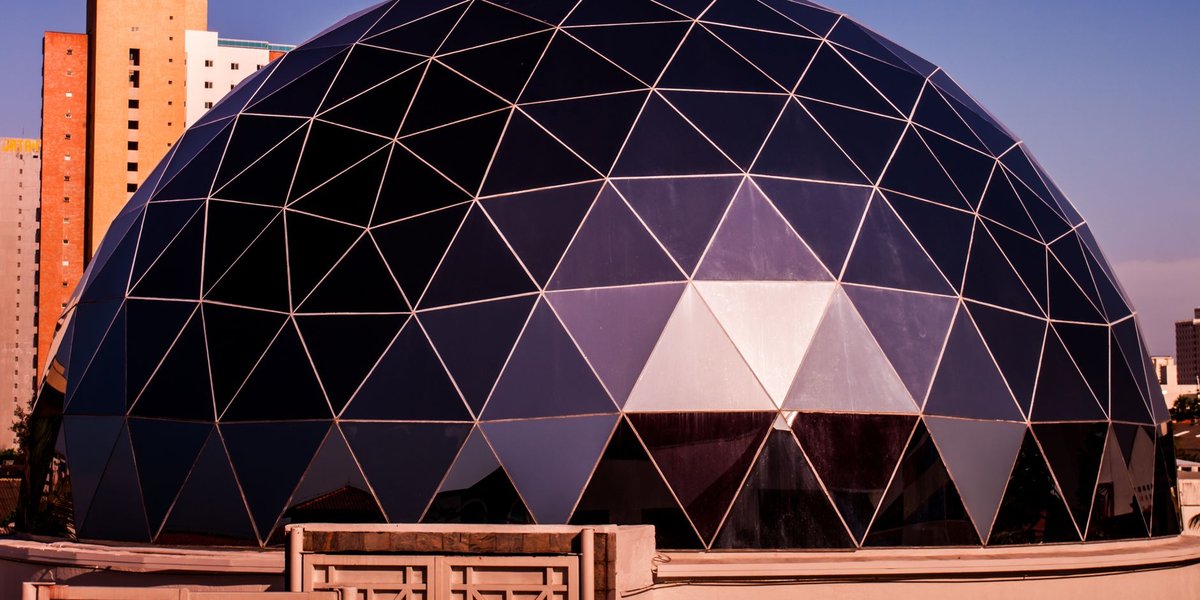
Most directories covering planetariums in Minnesota give you a name and a city and call it done. The deeper guides that exist stop at the Twin Cities, as if Duluth, Moorhead, Marshall, and St. Cloud don’t have domes worth visiting. They do — six of them, run by universities, a museum, and a public school district, each with its own personality.
Here’s every one, with what it actually costs, what’s currently showing, and who it’s built for.
Table of Contents
- TLDR: Quick Comparison
- Bell Museum Planetarium (St. Paul)
- MSU Moorhead Planetarium
- Marshall W. Alworth Planetarium (Duluth)
- SMSU Planetarium (Marshall)
- St. Cloud State University Planetarium
- Como Planetarium (St. Paul)
- Planning a School Field Trip
- Beyond the Dome: Where to Stargaze
- Which One Fits Your Trip
TLDR: Quick Comparison
If you’re short on time: the Bell Museum in St. Paul is Minnesota’s only planetarium built for daily public walk-in visits, with a 120-seat dome and the best production values in the state. If you’re in Duluth, the Marshall W. Alworth Planetarium runs a free show every Wednesday night. Everywhere else — Moorhead, Marshall, St. Cloud, and the Como Planetarium in St. Paul — is a university or school facility that mostly runs on group bookings, with public shows squeezed into a few weekly slots.
| Planetarium | City | Best For | Public Walk-In Shows |
|---|---|---|---|
| Bell Museum | St. Paul | Daily visits, biggest dome | Yes, Wed–Sun |
| MSU Moorhead | Moorhead | Laser shows, school groups | Select evenings |
| Marshall W. Alworth | Duluth | Free weekly show | Wed, Fri, Sat |
| SMSU | Marshall | Booked group visits | Groups only |
| St. Cloud State | St. Cloud | Reserved group shows | Groups only |
| Como Planetarium | St. Paul | Budget family outing | Select Tue/Sat |
Bell Museum Planetarium (St. Paul)
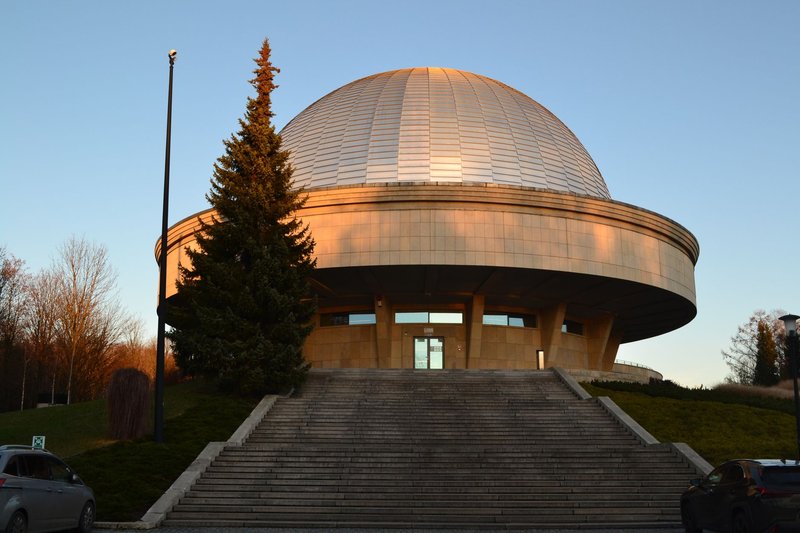
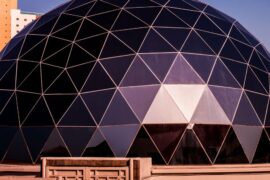
The Whitney and Elizabeth MacMillan Planetarium at the Bell Museum is the only dedicated public planetarium in Minnesota, and the numbers show it: a 120-seat theater under a 16-meter seamless aluminum dome, running 5.1 surround sound and digital projection with a full 360 degrees of range. Nothing else in the state is built at that scale.
It’s at 2088 Larpenteur Ave W in St. Paul, on the University of Minnesota’s St. Paul campus, open Wednesday through Sunday from 10 a.m. to 4 p.m. Three shows rotate through: Solar System Road Trip, a live-narrated tour for all ages; Minnesota Night Skies, which covers what’s actually visible overhead that season; and Living in Balance: Anishinaabe Star Knowledge, a recorded show built around Ojibwe constellation teachings, recommended for ages 8 and up.
Planetarium-only tickets run $10 for adults, $9 for seniors, $8 for youth (ages 3–21), and $5 for U of M students. A combo ticket that adds the full museum costs $21 for adults. Recorded shows include open captions, and select showtimes offer ASL interpretation. Get there 15 minutes early — once a show starts, there’s no re-entry, and the room runs dark with loud effects, worth knowing if you’re bringing a toddler.
Outside the dome, the museum’s Ruth and John Huss Observation Deck hosts Solar Sundays and evening Star Parties from September through May, weather permitting — a good add-on if the sky’s clear the night you visit.
MSU Moorhead Planetarium
Minnesota State University Moorhead runs the planetarium your kids will actually beg to go back to. The dome uses an Elumenati projector paired with Uniview software — the same combination running in some of the country’s better-known planetariums — and seats 62 for roughly 10,000 visitors a year.
It’s at 1104 7th Avenue South in Moorhead. Tickets are $8 for adults and $5 for children 12 and under, seniors 55+, and veterans. The programming leans playful: recent shows have included a K-Pop Demon Hunters laser show, Skies Over Hogwarts, and Stars to Starfish, a collaboration with the campus oceanarium that pairs astronomy with marine biology. That range is deliberate — MSU Moorhead leans hard into K-12 group visits, with programs built to specific state standards for grades like 1st and 5th.
Marshall W. Alworth Planetarium (Duluth)
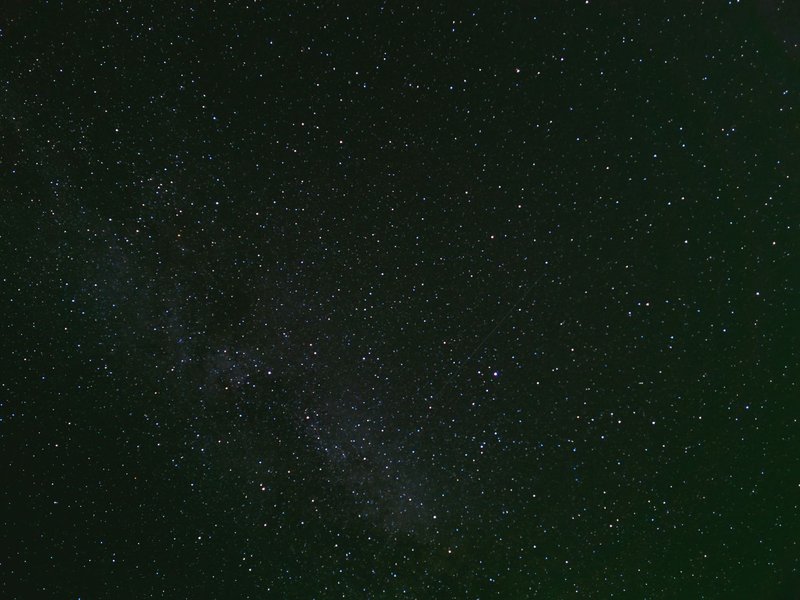
The Marshall W. Alworth Planetarium sits inside Alworth Hall on the University of Minnesota Duluth campus, at 1023 University Drive. Its 30-foot dome can throw close to 3,000 stars across the ceiling — enough to make the Twin Cities’ light pollution feel like a different planet.
This is the easiest planetarium in Minnesota to just show up to. Wonderstruck Wednesdays run free at 7 p.m., Fridays run a paid show at 7 p.m., and Saturdays get two showtimes, 2 p.m. and 7 p.m., with a sensory-friendly program on the second Saturday of the month for visitors who’d rather skip the loud sound cues and sudden darkness. Adult tickets outside the free Wednesday slot run $10.
SMSU Planetarium (Marshall)
Southwest Minnesota State University’s planetarium, at 1501 State St in Marshall, doesn’t run a public schedule at all — it’s booked, full stop. Shows go for about an hour: a multimedia program followed by a live segment covering whatever’s actually overhead that night. A weekday show during school hours runs $80 for up to 56 people; evenings, weekends, and days when school isn’t in session jump to $150. Either way there’s a 15-person minimum, so this isn’t the pick for a couple wanting a date-night show — it’s built for scout troops, homeschool co-ops, and classrooms. Requests go through the planetarium director by email, and Monday, Wednesday, and Friday mornings between 8:30 and 2:30 are the easiest slots to land.
St. Cloud State University Planetarium
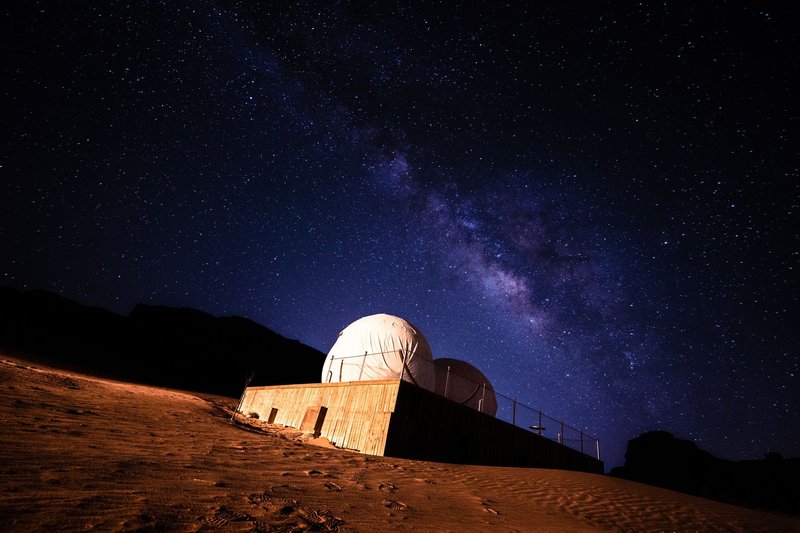
Tucked into Room 24 of the Wick Science Building at 720 4th Ave S, the St. Cloud State planetarium runs the same group-booking model as SMSU, but with a tighter, published weekly window: Monday 2–5 p.m., Tuesday 9:30 a.m.–12:30 p.m., Wednesday 1–4 p.m., Thursday and Friday 2–4 p.m., and limited Saturday requests between 10 a.m. and 2 p.m. Groups need at least 10 people — scout troops and school classes are the regulars — and the catalog runs wider than pure astronomy, with shows on dinosaurs and supervolcanoes alongside the stargazing programs.
Como Planetarium (St. Paul)
The least-known planetarium on this list is also one of the oldest. Como Planetarium is a Saint Paul Public Schools program, running out of Como Elementary at 780 W Wheelock Pkwy since 1975 — it marked 50 years of operation with a star party in 2025. The dome only seats 55, and it primarily serves SPPS classrooms during the school day.
The public gets in on select Tuesday evenings and Saturday mornings during the school year, at roughly $6 a ticket, and it’s worth booking ahead — 55 seats disappear fast once a show is announced. Non-SPPS school groups can usually book field trips on Tuesdays or Thursdays between 2:30 and 4:30 p.m.
Planning a School Field Trip
If you’re organizing this for a classroom or a troop rather than a weekend outing, the group-booking facilities are actually your best bet, not your last resort. MSU Moorhead builds shows around specific grade-level standards. SMSU and St. Cloud State both run structured group rates with minimums (15 and 10 people, respectively) rather than per-seat pricing, which usually works out cheaper than public tickets once you’ve got a full bus. Como Planetarium is the budget option for Twin Cities schools already inside the SPPS system, and the Bell Museum runs its own dedicated school programming separate from public hours — worth a direct call if you want the biggest dome in the state for a field trip instead of a family visit.
Book earlier than you think you need to. Weekday morning slots at the university planetariums fill first, since they’re competing with every other district’s field trip calendar.
Beyond the Dome: Where to Stargaze
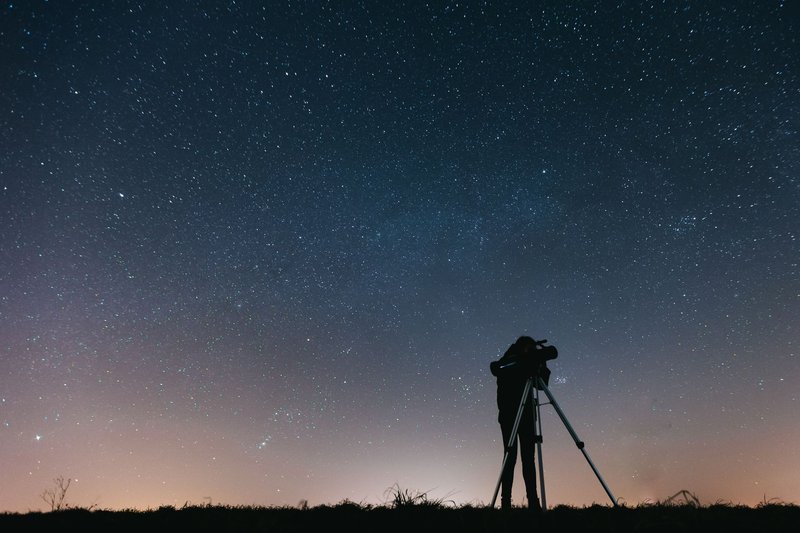
A planetarium show is a controlled version of the real thing. If the trip leaves you wanting the actual sky, Minnesota has real telescopes open to the public too. Eagle Lake Observatory in Eden Prairie holds the largest telescope in the state across more than a dozen instruments on four observing platforms, run by the Minnesota Astronomical Society. Cherry Grove Observatory, out in Goodhue County, hosts star parties most first or second weekends of the month. And the Paul P. Feder Observatory in Moorhead, run by MSU Moorhead’s physics department, puts a 16-inch Cassegrain reflector in reach of anyone willing to make the trip.
Late fall through late winter gives you the clearest, driest air in Minnesota — better transparency, sharper views — but it also means dressing for real cold and shorter drive-home windows after dark. Early fall and late spring split the difference: still cold enough for stable skies, without needing three layers under your coat.
Which One Fits Your Trip
A weekend family outing in the Twin Cities points straight at the Bell Museum — it’s the only one built for that. A Duluth trip should land on a Wednesday night for the free Alworth show. If you’re organizing for a classroom or troop anywhere in the state, skip the public-hours facilities entirely and book directly with MSU Moorhead, SMSU, or St. Cloud State, where group rates and grade-aligned content are the whole point. And if a clear night follows any of these visits, Eagle Lake or Cherry Grove will show you what the dome was only approximating.