Utah has more going for it than red rock arches and ski resorts. The state sits at high elevation, far from major coastal light pollution, and hosts some of the darkest skies in the continental United States. That combination makes it genuinely world-class territory for stargazing — and a handful of observatories and public facilities are set up to let you take full advantage of it.
This guide covers the observatories worth your time: what’s there, when you can visit, and what you’ll see.
Table of Contents
- Stansbury Park Observatory Complex (SPOC)
- HALO — Huntsville Astronomic and Lunar Observatory
- Stellar Vista Observatory
- Utah Desert Remote Observatories (UDRO)
- Bryce Canyon National Park Astronomy Program
- Canyonlands Natural History Association Dark Sky Program
- Salt Lake Astronomical Society (SLAS) Star Parties
- Planning Tips and Bortle Scale Context
Stansbury Park Observatory Complex (SPOC)
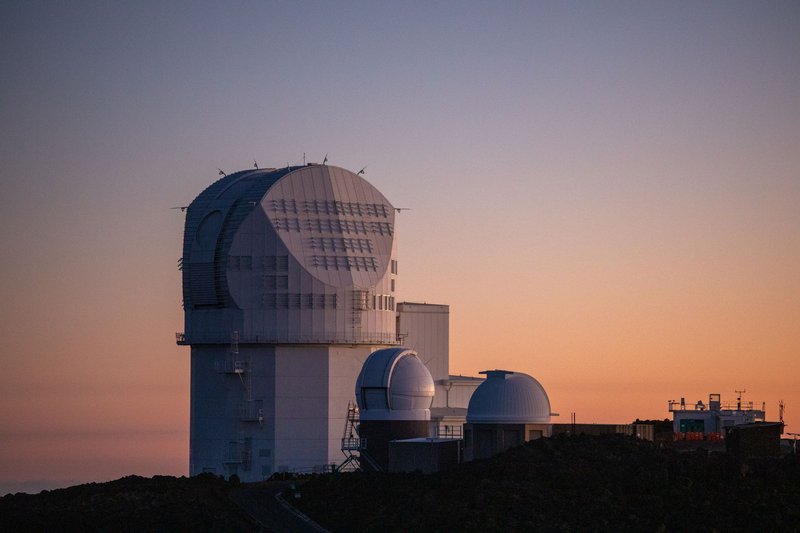
Located in Stansbury Park — about 35 miles southwest of Salt Lake City — SPOC houses what is widely recognized as the largest publicly accessible telescope in the world: a 32-inch Ritchey-Chrétien reflector. That’s not a hyperbole buried in a press release. The instrument is museum-grade, and members of the public can look through it on public nights.
The facility is run by the Stansbury Park Astronomical Society and hosts regular public star parties, typically on Friday nights when the skies cooperate. Programming includes guided tours of the night sky and explanations of what you’re seeing — this isn’t a “look through the eyepiece and move on” situation. The docents know the equipment and take questions seriously.
Location: 6100 Cougar Lane, Stansbury Park, UT 84074
Public nights: Friday evenings (weather permitting); check their schedule before driving out
Cost: Free; donations accepted
Best for: Anyone who wants to look through a serious instrument without a club membership or academic affiliation
The surrounding area sits at a Bortle class 4–5 (rural/suburban transition), which is decent but not pristine. You’ll see more in the eyepiece than you would from a city backyard, but SPOC is more about the telescope than the naked-eye sky.
HALO — Huntsville Astronomic and Lunar Observatory
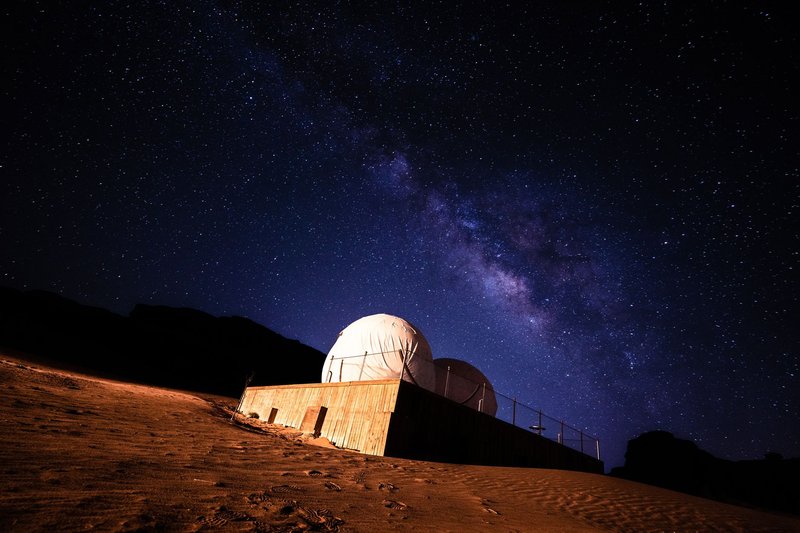
HALO operates out of Huntsville, in Ogden Valley northeast of Salt Lake City. The Weber County Amateur Astronomers run the facility, and it’s one of the more active public astronomy programs in northern Utah. They host events aligned with lunar phases and seasonal deep-sky targets, and their star parties draw a reliable crowd of both beginners and experienced hobbyists.
The setting matters here: Ogden Valley sits at around 4,800 feet, surrounded by the Wasatch Mountains, and the skies to the east — away from the Ogden metro — get reasonably dark. On a clear night you can pull in detail on globular clusters and nebulae that would be washed out closer to the city.
Location: Huntsville, UT (coordinates shared at event registration)
Public events: Scheduled monthly; lunar and deep-sky programs
Cost: Varies by event; some are free, some have a nominal fee
Best for: Northern Utah residents who want organized programs with educational framing
Stellar Vista Observatory
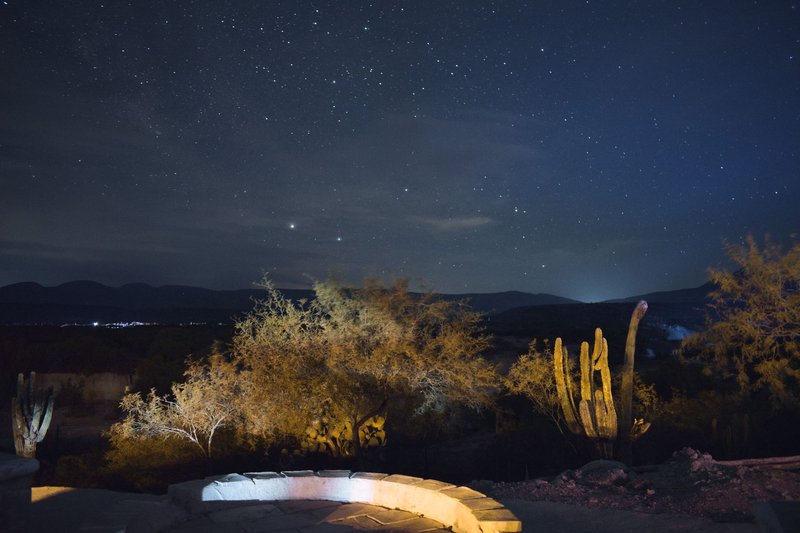
Stellar Vista sits near Kanab in southern Utah — about as far as you can get from the Wasatch Front light dome and still be in the state. The location is deliberate. Kanab sits inside one of the darkest sky corridors in the American Southwest, with Bortle class 2–3 conditions in surrounding areas. That’s dark enough to see the Milky Way’s full structure with the naked eye, airglow and all.
The observatory runs programs for the public and works with visitors arriving through Kanab’s ecotourism circuit. Programs cover both visual observing and astrophotography, and the facility has equipment available for guests who don’t travel with their own. The emphasis here is on the experience of genuinely dark skies — not just a peek through a telescope but a full night under a sky most visitors have never actually seen.
Location: Near Kanab, UT 84741
Programs: Scheduled; check stellarvistaobservatory.com
Cost: Fee-based; programs priced per session
Best for: Serious stargazers, astrophotographers, and anyone visiting southern Utah’s national parks
If you’re already planning a trip to Zion, Bryce Canyon, or the North Rim of the Grand Canyon, Kanab is a logical stop, and adding a night at Stellar Vista is worth building the itinerary around.
Utah Desert Remote Observatories (UDRO)
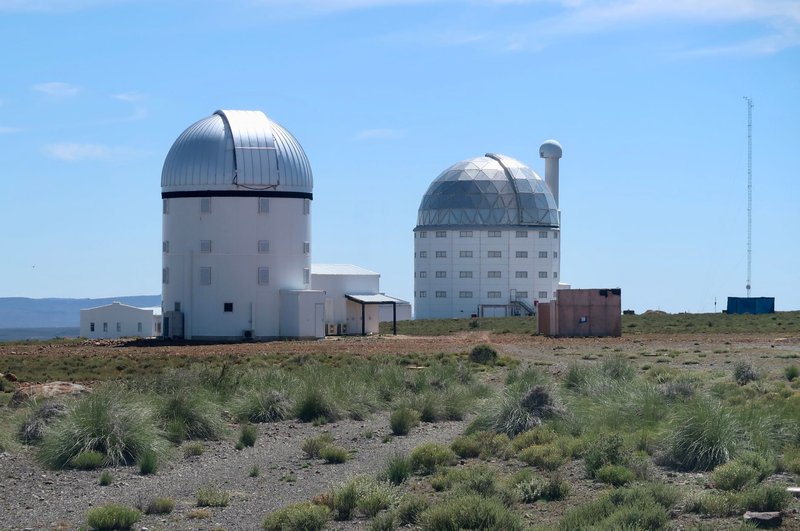
UDRO is a different model from the others. Rather than a fixed public facility, it’s a consortium-style dark-sky site used by serious amateur astronomers who want consistent remote access to exceptional skies. The site sits on the Colorado Plateau in central Utah, in the vicinity of Emery County — territory where Bortle class 2 skies are the baseline, not the optimistic projection.
Members build or lease telescope piers on the site and operate instruments remotely or in-person during observing runs. For the advanced amateur or semi-professional observer, this is the most capable setup in Utah: dark enough to do real deep-sky imaging, at an elevation that minimizes atmospheric distortion, and organized so equipment can live on-site rather than being hauled in and out.
Website: utahdesertremote.com
Access: Membership-based; not a drop-in facility
Best for: Experienced amateur astronomers who astrophotograph or do visual deep-sky work
If you’re new to astronomy, this isn’t the starting point. But if you’ve been at it a while and are tired of mediocre skies, UDRO is worth looking into.
Bryce Canyon National Park Astronomy Program
Bryce Canyon isn’t an observatory, but its astronomy program is one of the most accessible introductions to dark-sky stargazing in the country. The park sits at 8,000–9,100 feet elevation and was designated an International Dark Sky Park by the International Dark-Sky Association — a designation that comes with real lighting ordinances and ongoing monitoring.
Ranger-led programs run on clear summer evenings from late spring through early fall, typically near the Bryce Canyon Visitor Center or Sunset Point. The park sets up loaner telescopes and walks visitors through constellations, planets, and notable deep-sky objects. On the best nights, the Milky Way looks three-dimensional overhead.
Location: Bryce Canyon National Park, UT 84764
Programs: Late May through September; check the NPS calendar
Cost: Included with park admission ($35/vehicle in 2025)
Best for: Families, first-timers, anyone visiting southern Utah’s national parks
The winter sky at Bryce is remarkable too — fewer visitors, and Orion and the winter hexagon hang above the hoodoos in a way that photographs don’t do justice to. The ranger programs don’t run year-round, but the skies do.
Canyonlands and Arches Dark Sky Programs
Both Canyonlands and Arches national parks hold International Dark Sky Park designations. Canyonlands in particular — especially the remote Island in the Sky district — offers Bortle class 2 skies that rival anything in the continental US. There are no permanent telescope facilities, but the parks host seasonal ranger astronomy programs and Night Sky Festival events in spring.
Location: Moab, UT area
Programs: Spring Night Sky Festival (typically April); seasonal ranger programs
Best for: Visitors already in the Moab area who want structured stargazing alongside canyon scenery
The Moab area’s combination of red rock geology and dark skies makes it a particularly striking backdrop for astrophotography. The milky way rising over the canyon walls at Canyonlands is a legitimate bucket-list experience. Utah is just one piece of a larger picture — if you’re curious how it stacks up nationally, the best places for stargazing in the US covers the full range of top dark-sky destinations worth knowing about.
Salt Lake Astronomical Society (SLAS) Star Parties
SLAS is one of Utah’s oldest and most active astronomy clubs. They host public star parties at Stansbury Park (in coordination with SPOC), at Lakeside Campground near the Great Salt Lake, and at darker-sky sites farther from the city. The club owns multiple club telescopes and members typically bring personal equipment ranging from 6-inch refractors to large truss Dobsonians.
Public events are genuinely welcoming to beginners — you don’t need a telescope or any prior knowledge to show up and look through something excellent. The club’s more experienced members are usually happy to talk gear, targets, and technique if you’re curious.
Website: Check the SLAS event calendar for current schedules
Cost: Free
Best for: Salt Lake City–area residents who want regular access to organized observing events
Planning Tips and Bortle Scale Context
A few practical notes before you drive three hours to a dark-sky site:
Check the moon phase first. A full moon wipes out most deep-sky objects even under pristine skies. New moon ± five days is the target window for anything beyond planets and the Moon itself. Most Utah star parties are scheduled around new moon.
The Bortle scale matters. It measures sky brightness on a 1–9 scale — 1 is the darkest skies on Earth, 9 is inner-city sky glow. Salt Lake City sits at Bortle 8–9. The Wasatch Front suburbs are 6–7. Southern Utah’s canyon country regularly hits Bortle 2. The difference between a Bortle 4 sky and a Bortle 2 sky isn’t incremental — it’s a completely different visual experience.
Elevation helps. Utah’s high-desert elevation (most sites are above 4,000 feet, many above 6,000) reduces the atmospheric column you’re looking through, which sharpens images and reduces the extinction of faint objects.
Red lights only. If you’re attending a public star party, bring a red flashlight or download a red-light app for your phone. White light destroys night vision in seconds and ruins the experience for everyone nearby. If you’re just getting into astronomy and haven’t picked up gear yet, it’s worth knowing that you can start exploring the night sky without a telescope — naked-eye observing and binoculars go further than most beginners expect.
Dress for it. Utah’s desert radiates heat quickly after sunset. Even a summer night in Kanab or Moab can drop into the 50s by midnight. Bring a layer more than you think you need.
Utah’s combination of high elevation, arid climate, and large swaths of uninhabited desert makes it one of the better states in the country for public stargazing. The facilities listed here range from fully staffed programs at national parks to member-run observatory clubs — there’s an entry point regardless of your experience level or how serious you are about this. The barrier to looking through a world-class telescope in Utah is mostly just showing up on the right night.
Enjoyed this article?
Get daily 10-minute PDFs about astronomy to read before bed!
Sign up for our upcoming micro-learning service where you will learn something new about space and beyond every day while winding down.