Most lists of Colorado observatories just dump seven research facilities into a table and call it a day. Useful if you’re writing a term paper. Useless if you want to actually look through a telescope on a Tuesday night. Half those facilities are locked behind a university physics department or sit on a mountaintop you can’t drive to.
So this is the other list. These are the observatories that open their domes to the public, run star parties, and let you put your eye to a real eyepiece. For each one you get the practical stuff the directories skip: what telescope you’re looking through, when public nights happen, what it costs, and whether you need to reserve ahead. Then, because Colorado has some of the darkest skies in the Lower 48, a section on the dark-sky towns that are worth the drive even without a dome.
Table of Contents
- Quick Comparison
- Front Range Observatories
- Pikes Peak Region
- Western Slope and Mountain Towns
- Colorado’s Dark-Sky Communities
- When to Go: Seasonal Viewing
- Planning Your Visit
Quick Comparison
Here’s the short version. The full rundown on each is below.
| Observatory | Region | Main Telescope | Public Nights | Cost | Reservations |
|---|---|---|---|---|---|
| Chamberlin Observatory | Denver | 20″ Clark refractor | Tue & Thu | ~$5–10 | Required |
| Sommers-Bausch | Boulder | 24″ & 16″ reflectors | Most Fridays (term) | Free | Walk-up |
| Little Thompson | Berthoud | 18″ + smaller scopes | Monthly open house | Free/donation | No |
| Gunnison Valley | Gunnison | 30″ reflector | Fri & Sat (seasonal) | ~$5 | No |
| Pikes Peak (Lake George) | Florissant | Multiple scopes | Member star parties | Membership | Yes |
| Westcliffe Dark Sky | Westcliffe | Smokey Jack park scopes | Summer star parties | Free | No |
The Front Range options are your easiest bet if you’re near Denver or Boulder. For genuinely dark skies, point the car toward Westcliffe or Gunnison.
Front Range Observatories
This is where most Coloradans live, and where most of the public-access telescopes are. The trade-off is light pollution. You’ll see planets, the Moon, double stars, and bright deep-sky objects beautifully. Faint galaxies, less so.
Chamberlin Observatory, Denver
The grande dame of Colorado stargazing. Chamberlin sits in Observatory Park in southeast Denver and has been open since 1894, which makes it one of the oldest continuously operating observatories in the country still doing public outreach. The centerpiece is a 20-inch Alvan Clark & Sons refractor — a long brass-and-glass telescope of the kind they don’t build anymore — mounted under a classic rotating dome.
Public nights run Tuesday and Thursday evenings, hosted by the University of Denver and the Denver Astronomical Society. You’ll get a short talk, then a line to look through the Clark refractor at whatever’s up — usually Saturn, Jupiter, the Moon, or a tight double star. Reservations are required and they sell out, especially around eclipses and oppositions. Tickets run a few dollars.
Best for: first-timers and families who want the historic-telescope experience without driving into the mountains.
Sommers-Bausch Observatory, Boulder
Run by the University of Colorado Boulder, Sommers-Bausch is the more research-flavored cousin. It houses a 24-inch and a 16-inch reflector plus a battery of smaller scopes on the roof deck. During the academic year it hosts open houses, typically Friday evenings, where CU astronomy students staff the telescopes and answer questions — and they tend to know their stuff because they use these instruments for actual coursework.
Admission is free, which is rare. The catch is the schedule follows the university calendar, so summer and breaks are quiet. Check the CU Boulder observatory page before you drive up.
Best for: curious visitors who want to talk to working astronomy students and don’t mind a campus setting.
Little Thompson Observatory, Berthoud
A community observatory between Denver and Fort Collins, Little Thompson is volunteer-run and refreshingly unpretentious. The main instrument is an 18-inch reflector, supplemented by smaller portable scopes wheeled out for the crowd. They run a monthly open house, usually the third Friday, often with a guest speaker before the viewing.
It’s free or donation-based, no reservation needed, and the volunteers are the kind of people who’ll happily spend twenty minutes helping a kid find Andromeda. The skies in Berthoud are darker than Denver’s, which helps.
Best for: families and repeat visitors who want a low-key, no-pressure night under the stars.
Pikes Peak Region
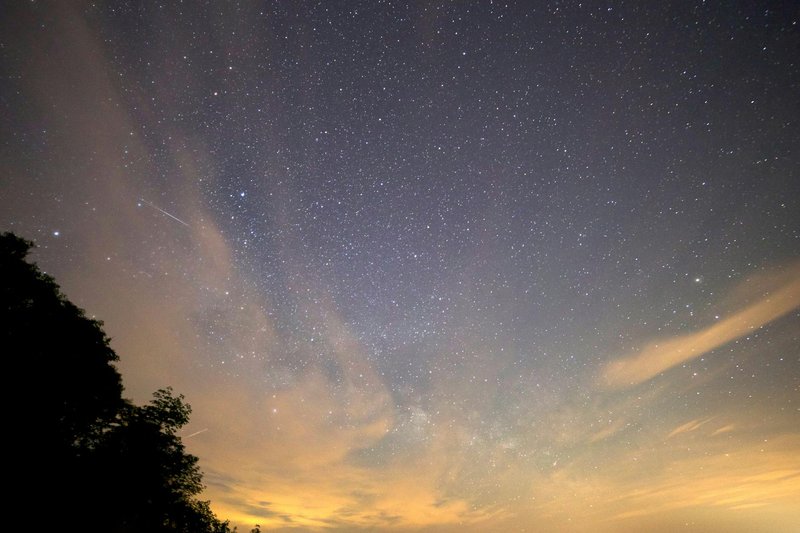
South of Denver, the terrain climbs and the skies improve. This region pairs decent access with elevation, which thins the atmosphere and sharpens the view.
Pikes Peak Observatory, Lake George
Out near Florissant and Lake George, the Pikes Peak Observatory operates at over 8,000 feet of elevation — high enough that the air is noticeably steadier and darker than anything on the Front Range. It’s a membership-driven facility focused on serious amateur astronomy and astrophotography, with multiple telescopes housed in roll-off-roof and domed structures.
Public access here runs through scheduled star parties and member-hosted events rather than nightly drop-in hours, so you’ll want to check ahead and often coordinate with the local astronomy club. The reward for the extra planning is sky quality that the Denver scopes simply can’t match.
Best for: astrophotographers and committed amateurs chasing dark, high-altitude skies.
Denver Museum of Nature & Science (Gates Planetarium)
Not an observatory in the dome-and-telescope sense, but worth a mention because it’s the most-visited astronomy destination in the state and a frequent top result for anyone planning a space-themed outing. The Gates Planetarium runs immersive dome shows about the cosmos, and the museum periodically hosts telescope viewing events on its plaza. If clouds roll in or you’ve got young kids, this is the rain-proof, daytime-friendly option.
Best for: a guaranteed indoor experience, families with small children, and cloudy nights.
Western Slope and Mountain Towns
Cross the Continental Divide and light pollution drops off a cliff. This is where Colorado’s skies get genuinely spectacular.
Gunnison Valley Observatory
In the high valley town of Gunnison, this observatory runs a 30-inch reflector — one of the largest publicly accessible telescopes in the state. Sitting at roughly 7,700 feet in a sparsely populated valley, it enjoys dark skies that put the Front Range to shame. With that aperture you’re not just looking at planets; faint galaxies, nebulae, and globular clusters come alive.
Public nights typically run Friday and Saturday evenings during the warmer months — the schedule is seasonal because Gunnison winters are brutal. Admission is a few dollars, and reservations generally aren’t required. Check the Gunnison Valley Observatory site for current hours before you go.
Best for: anyone willing to make the drive for a big telescope under a genuinely dark sky.
Colorado’s Dark-Sky Communities
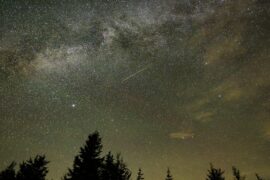
Here’s the depth no directory bothers with. You don’t actually need an observatory to see the Milky Way in Colorado — you need to get away from city light. The International Dark-Sky Association certifies places that protect their night skies, and Colorado has racked up several. These are the spots where the sky itself is the attraction, and they hold their own against the best places for stargazing in the US.
Westcliffe and Silver Cliff sit in the Wet Mountain Valley and together earned International Dark Sky Community status — the first in Colorado. They built the Smokey Jack Observatory, a community telescope facility right in town, and run free public star parties through the summer. The valley is ringed by 14,000-foot peaks that block stray light, and on a moonless night the Milky Way throws shadows.
Great Sand Dunes National Park holds Dark Sky Park certification. The dunes against a star-blanketed sky is one of those views that doesn’t photograph the way it feels. Ranger-led night programs run in summer.
Black Canyon of the Gunnison is another certified Dark Sky Park, deep in the Western Slope, with astronomy festivals and exceptional natural darkness.
If your goal is the full naked-eye Milky Way experience rather than a planet through a lens, point yourself at one of these. The International Dark-Sky Association keeps the current list of certified places.
When to Go: Seasonal Viewing
Timing matters more than people expect.
Summer (June–August) is peak season for two reasons: the observatories are open, and the bright core of the Milky Way rises in the evening sky. It’s also the best window for the Western Slope and high-valley sites, which close or curtail hours in winter. The downside is afternoon monsoon clouds in July and August — clear early-evening skies aren’t guaranteed.
Fall (September–October) is arguably the sweet spot. Skies are stable and clear, temperatures are tolerable, and the Andromeda Galaxy rides high. Crowds thin out after Labor Day.
Winter brings Colorado’s clearest, steadiest air, and Orion and the winter star clusters are stunning — but many mountain observatories close, and the ones that stay open are cold work. Front Range sites like Chamberlin run year-round.
Always check the moon phase. A full moon washes out everything but the planets and the Moon itself. Aim for the week around the new moon if deep-sky objects are your goal. And confirm the weather, because Colorado’s “300 days of sunshine” reputation doesn’t guarantee any particular night.
Planning Your Visit
A few things that’ll save your evening:
- Reserve where required. Chamberlin and the member-driven facilities fill up. Walk-up sites like Little Thompson don’t, but check they’re actually open.
- Dress for the mountains, not the forecast. It gets cold fast after sunset at altitude, even in July. A warm layer in the car is never wrong.
- Bring a red flashlight, not your phone’s white light. White light kills your night vision and annoys everyone else at the eyepiece.
- Give your eyes 20 minutes to adapt to the dark before expecting to see faint stuff.
- Skip the full moon if you want galaxies and nebulae; embrace it if you want crater detail on the Moon.
Colorado packs in historic refractors, big modern reflectors, and some of the darkest certified skies in the country — often within a day’s drive of each other. Start with Chamberlin if you’re near Denver and want the classic experience, then graduate to Gunnison or Westcliffe when you’re ready to trade convenience for a sky that genuinely stops you in your tracks.