New Jersey packs ten working planetariums into a state you can drive across in under two hours. That includes the largest planetarium dome in the Western Hemisphere, sitting in Jersey City, plus a handful of college and museum domes most people drive past without knowing they’re there.
Most lists you’ll find tell you a venue exists and where it sits on a map. They go quiet on the stuff you actually need before loading the kids in the car: what it costs, when shows actually run, and whether you’ll circle the block looking for parking. This guide fixes that. Every entry below gives you the admission price, the dome and projector setup, and the planning details, grouped North, Central, and South so you can scan for what’s near you.
Table of Contents
- Quick Comparison Table
- North Jersey Planetariums
- Central Jersey Planetariums
- South Jersey Planetariums
- How to Plan Your Visit
TLDR — The Short Version {#comparison}
If you want the spectacle, go to Liberty Science Center in Jersey City. Its 89-foot Chalsty Planetarium dome is the biggest in the Western Hemisphere, and nothing else in the state competes on raw scale. For a cheaper, lower-key outing with free parking, the New Jersey State Museum in Trenton runs full-dome shows for $7 and sits steps from the State House. For families in the northwest, Longo Planetarium at County College of Morris is the reliable weekend pick.
Here’s every venue side by side.
| Planetarium | City | Region | Admission | Dome |
|---|---|---|---|---|
| Liberty Science Center (Chalsty) | Jersey City | North | Included with admission ($29.75 adult) | 89 ft |
| Dreyfuss Planetarium (Newark Museum) | Newark | North | $6 / $4 | 30 ft |
| Longo Planetarium (CCM) | Randolph | North | $10 | 24 ft |
| William Miller Sperry Observatory | Cranford | North | Free (donations) | — (observatory) |
| Edelman Planetarium (Rowan) | Glassboro | South | $7 / $5 | 40 ft |
| NJ State Museum Planetarium | Trenton | Central | $7 / $5 | 60 ft |
| Raritan Valley Community College | Branchburg | Central | $11 / $20 | 50 ft |
| Robert J. Novins Planetarium (OCC) | Toms River | South | Varies by show | 40 ft |
| Hopewell Valley Central HS Planetarium | Pennington | Central | Varies / school-run | — |
| Jenny Jump (UACNJ) summer programs | Hope | North | Free (donations) | — (observatory) |
Prices shift, so confirm before you drive. Now the detail.
North Jersey Planetariums {#north}
Liberty Science Center — Jersey City
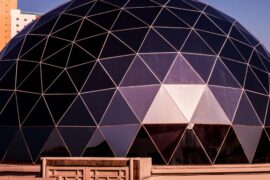
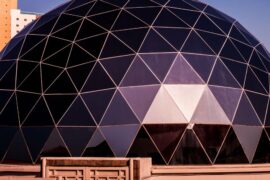
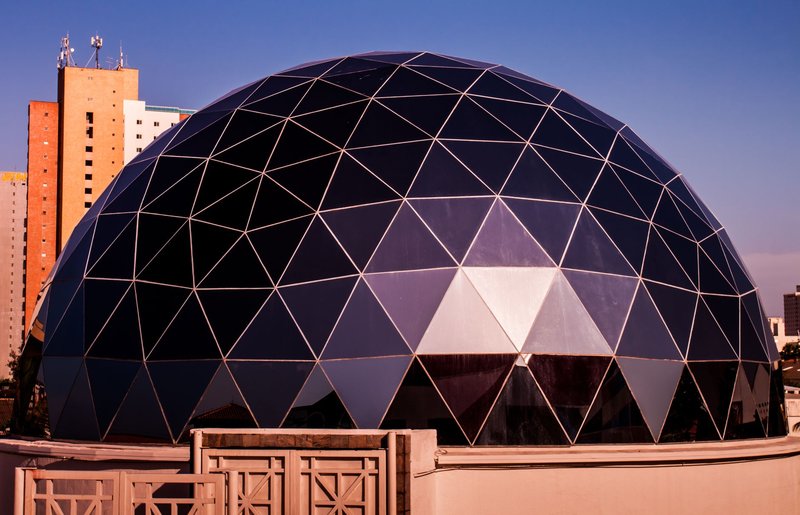
This is the headliner, and not by a little. The Jennifer Chalsty Planetarium opened in 2017 with an 89-foot dome, which makes it the largest planetarium in the Western Hemisphere and the fourth-largest on Earth. It seats around 360 people and runs on a high-resolution digital projection system that pushes the night sky, deep-space flythroughs, and laser shows across a screen big enough to trigger genuine vertigo when the camera dives toward a planet.
You don’t buy a planetarium ticket on its own here. Dome shows are folded into general museum admission, which runs about $29.75 for adults and $25.75 for kids, with some premium and laser shows carrying a small surcharge. Liberty Science Center sits in Liberty State Park, so pair it with a walk along the Hudson and skyline views of Lower Manhattan. Parking is on-site and paid. Check the Liberty Science Center planetarium page for the current show schedule before you go, since the lineup rotates.
The trade-off: it’s the priciest entry on this list and the most crowded, especially on rainy weekends and school breaks. Buy timed tickets online.
Dreyfuss Planetarium — Newark
Inside the Newark Museum of Art, the Dreyfuss Planetarium is a compact 30-foot dome that’s been running shows for decades. Admission is around $6 for adults and $4 for kids on top of museum entry, which makes it one of the better-value dome experiences in North Jersey. Shows here lean educational and family-friendly, with seasonal sky tours and topical programs.
The museum is the largest in the state, so the planetarium becomes one stop in a longer visit rather than the whole trip. Street and garage parking in downtown Newark applies — budget for it.
Longo Planetarium — Randolph
At County College of Morris, the Longo Planetarium is the dependable family pick for the northwest corner of the state. The 24-foot dome runs weekend public shows aimed squarely at kids, with titles built around the seasons, the solar system, and the occasional holiday program. Admission is about $10, and the campus has plentiful free parking, which is a real argument in its favor over the urban venues.
Shows tend to be short and matinee-timed, so it works well as a morning outing before lunch. Seating is limited and shows sell out, so reserve.
William Miller Sperry Observatory — Cranford
Not a planetarium in the strict sense, but worth knowing about if you want the real sky instead of a projected one. Run by Amateur Astronomers, Inc. at Union County College, Sperry Observatory opens to the public on Friday nights, free of charge, with two large telescopes and volunteer astronomers happy to talk. When the weather cooperates, you’ll look at the actual Moon, planets, and double stars rather than a simulation.
It’s free, donations welcome, and parking on campus is easy on a Friday evening. Cloudy nights still get a lecture, so the trip isn’t wasted.
Central Jersey Planetariums {#central}
New Jersey State Museum Planetarium — Trenton
The best value-to-quality ratio in the state lives in Trenton. The NJ State Museum Planetarium runs a 60-foot dome — second only to Liberty Science Center — with a full-dome digital system, and tickets are just $7 for adults and $5 for kids. Parking at the adjacent state lot is free on weekends, which is almost unheard of for a venue this size.
The museum itself is free to enter, so you only pay for the dome show. Programs range from family sky tours to music-driven full-dome features. For the price, you get a genuinely large-format experience without the Jersey City crowds or the Jersey City ticket. The New Jersey State Museum site lists current showtimes, which generally cluster on weekends and select weekdays.
Raritan Valley Community College Planetarium — Branchburg
The RVCC Planetarium in Branchburg runs a 50-foot dome with a strong public program — full-dome science features, kids’ shows, and laser light shows set to music. Pricing splits by program: standard shows run about $11, while the premium laser/music shows run closer to $20. That makes it one of the pricier non-museum domes, but the laser shows are the draw and draw a different crowd than the morning kids’ programs.
Free campus parking, easy highway access off Route 22, and an evening laser-show schedule make this the central-Jersey date-night option as much as a family one. Check the program type before buying, since the price and the audience shift hard between a kids’ matinee and a Pink Floyd laser set.
Hopewell Valley Central High School Planetarium — Pennington
A school-district dome that opens to the public for select community shows during the year. Programming and pricing are run by the district, so availability is the catch — there’s no daily schedule. When public nights are posted, they’re affordable and aimed at local families. Worth a follow on the district’s calendar if you live in the Hopewell-Pennington area, but not a venue to plan a trip around from across the state.
South Jersey Planetariums {#south}
Robert J. Novins Planetarium — Toms River
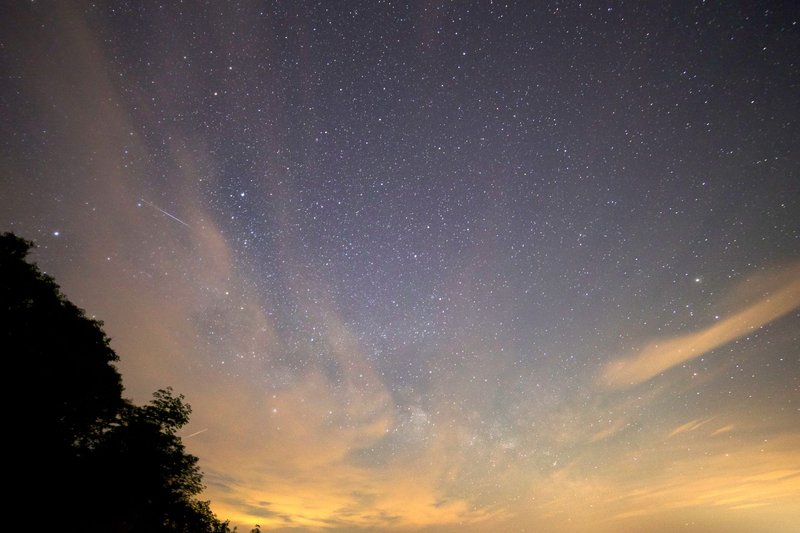
At Ocean County College, the Robert J. Novins Planetarium is the go-to dome for the Jersey Shore region. It runs a 40-foot dome with full-dome digital projection and a varied schedule: educational sky shows, kids’ programs, and laser light shows. Pricing varies by show type, with standard programs in the affordable single digits and laser shows priced higher.
Free campus parking and a location off the Garden State Parkway make it an easy stop for shore-area families, particularly as a rainy-day backup during beach season. The schedule is seasonal, so the lineup is busiest in summer and around school breaks.
Edelman Planetarium — Glassboro
Rowan University’s Edelman Planetarium anchors the southwest with a 40-foot dome and full-dome digital system. Public shows run on a regular schedule during the academic year — typically Friday and Saturday — at about $7 for adults and $5 for kids and students. Programming pairs family sky tours with university-grade science features, and the connection to Rowan’s astronomy program shows in the depth of the content.
Campus parking is free on weekends, and the venue is a short drive from the Philadelphia metro, which makes it the natural pick for Gloucester and Camden County families. Shows pause between semesters, so check the calendar before driving down.
How to Plan Your Visit {#plan}
A few things that save the trip:
- Buy ahead. The smaller domes — Longo, the State Museum, Edelman — seat a few dozen to a couple hundred people, and weekend shows sell out. Online reservations are the norm now.
- Match the show to the kid. Most venues split programming between toddler-friendly sky tours and longer science features. A 25-minute kids’ show and a 60-minute deep-space feature are different outings. Read the age rating.
- Ask about sensory-friendly shows. Several NJ planetariums, including Liberty Science Center, run sensory-friendly programs with lower volume and lights that don’t fully dim. If that matters for your group, call ahead — these are scheduled, not on-demand.
- Free parking is a real tiebreaker. The college and state-museum domes (State Museum, RVCC, Longo, Novins, Edelman) almost all have free lots. The urban venues — Liberty Science Center, the Newark Museum — mean paid garages. Factor it into the cost.
- Check before you drive. Academic-calendar venues close between semesters, and school-district domes only open for posted public nights. A two-minute schedule check beats a locked door.
For the biggest experience, it’s Liberty Science Center. For the best value, it’s Trenton. And if you’d rather see the real sky than a projected one, the observatories run by Amateur Astronomers, Inc. and the dark-sky site at Jenny Jump in Warren County will put an actual planet in front of you for free.