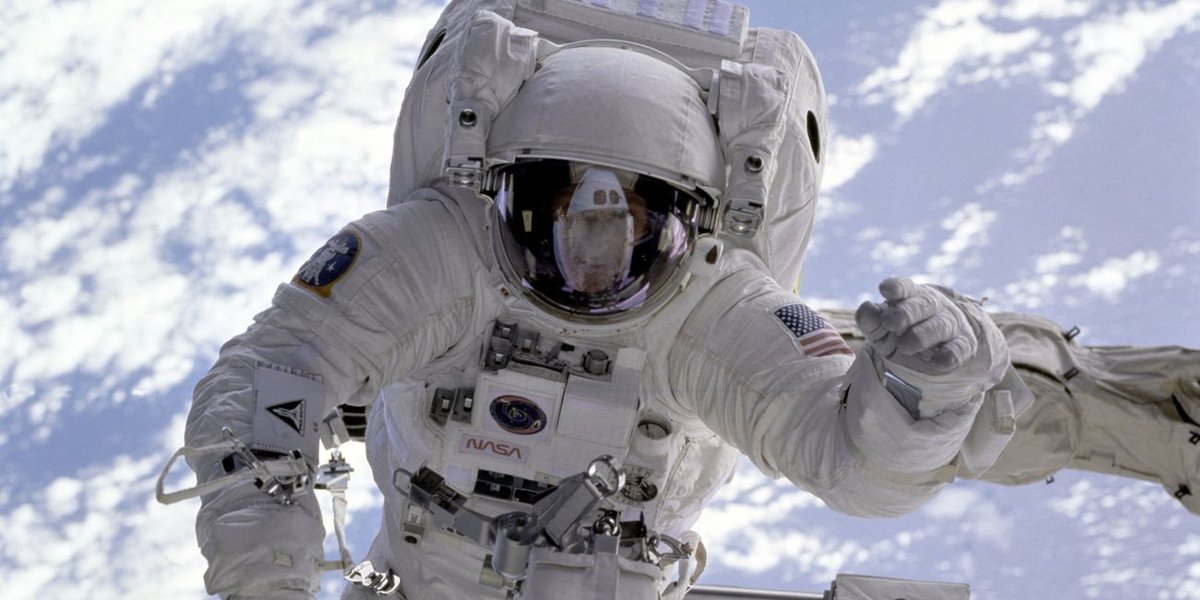
Three men born in Mississippi have flown into space. That’s the whole list. But “only three” undersells it, because one of them survived the most famous near-disaster in spaceflight history, another became the first astronaut to actually run NASA, and the third logged a spacewalk on a shuttle that had never flown before. And that’s before you count the rocket engines tested in the Mississippi pine woods that have lifted nearly every major NASA mission for fifty years.
Here’s the full roster, who they were, and where the state still fits into the space program today.
Table of Contents
- The Three Mississippi Astronauts at a Glance
- Fred Haise — Biloxi
- Richard Truly — Fayette
- Donald Peterson — Winona
- Mississippi’s Bigger Role: Stennis and Artemis
- Frequently Asked Questions
The Three Mississippi Astronauts at a Glance
| Astronaut | Hometown | Notable Mission | Year | Claim to Fame |
|---|---|---|---|---|
| Fred Haise | Biloxi | Apollo 13 | 1970 | Survived Apollo 13’s near-fatal failure |
| Richard Truly | Fayette | STS-2, STS-8 | 1981–83 | First astronaut to lead NASA |
| Donald Peterson | Winona | STS-6 | 1983 | First spacewalk of the Space Shuttle program |
Notice the spread. Haise came up through the Apollo program in the late 1960s. Truly and Peterson both flew on the Space Shuttle in the early 1980s. So Mississippi’s space story isn’t one era — it stretches from the lunar program straight into the shuttle age.
Fred Haise — Biloxi
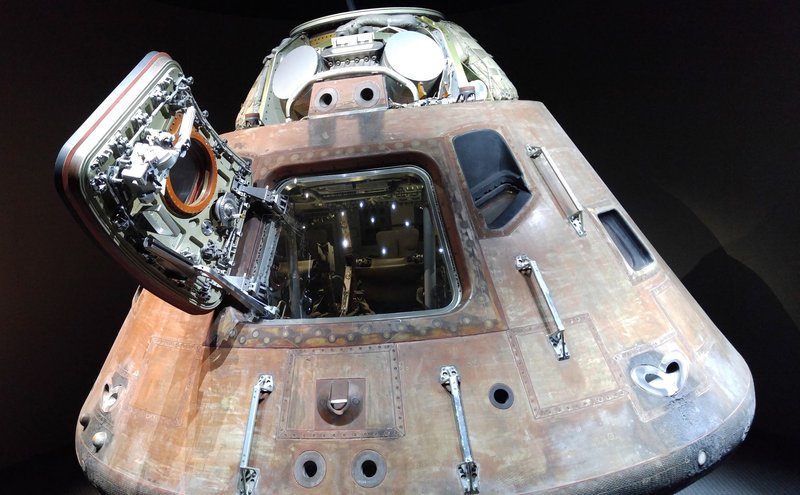
If you know one Mississippi astronaut, it’s Fred Haise. Born in Biloxi in 1933, he was the lunar module pilot on Apollo 13 in April 1970 — the mission that was supposed to be NASA’s third Moon landing and instead became a fight to get three men home alive.
Two days into the flight, an oxygen tank in the service module ruptured. The Moon landing was scrapped within hours. Haise, alongside commander Jim Lovell and command module pilot Jack Swigert, spent the next four days in the freezing, powered-down lunar module — a vehicle built to support two men for two days, now keeping three men alive for four. Haise was meant to be the sixth human to walk on the Moon. He came within roughly 254 miles of its surface and never got the chance, looping around the far side and slingshotting home instead.
He came out of it sick. Haise developed a urinary tract infection during the return that spiked into a serious kidney problem, and he never flew in space again — though he later commanded approach-and-landing tests for the Space Shuttle Enterprise in 1977, gliding the orbiter to the runway to prove the design worked.
Biloxi hasn’t forgotten him. A bronze statue of Haise stands downtown, and the city named its civic center after him decades ago. If you want the full mission breakdown, NASA’s Apollo 13 archive walks through the failure hour by hour.
Richard Truly — Fayette
Richard Truly was born in Fayette in 1937, and his career has the cleanest “kid from a small Mississippi town runs the whole agency” arc you’ll find. He started as a Navy test pilot, joined the Air Force’s Manned Orbiting Laboratory program, and transferred to NASA when that project was cancelled.
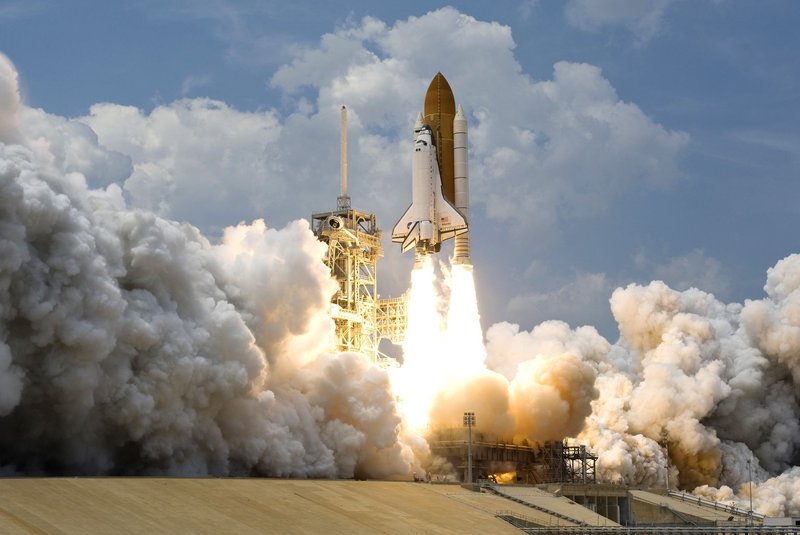
Truly flew the second Space Shuttle mission ever, STS-2, in November 1981 — the first time a crewed spacecraft was launched into orbit a second time, proving the shuttle could actually be reused. He commanded STS-8 in 1983, which included the program’s first night launch and night landing, a genuinely hard piece of flying when the runway markers are the main thing you’ve got.
Then his career took a turn no other astronaut’s had. After the Challenger disaster in 1986, Truly was pulled back to lead the investigation and the program’s recovery, getting the shuttle flying again in 1988. In 1989 he was appointed NASA Administrator — the first astronaut ever to hold the top job at the agency. He ran NASA until 1992. According to NASA’s official biography, he later directed the National Renewable Energy Laboratory, carrying the same engineering brain into clean energy.
Donald Peterson — Winona
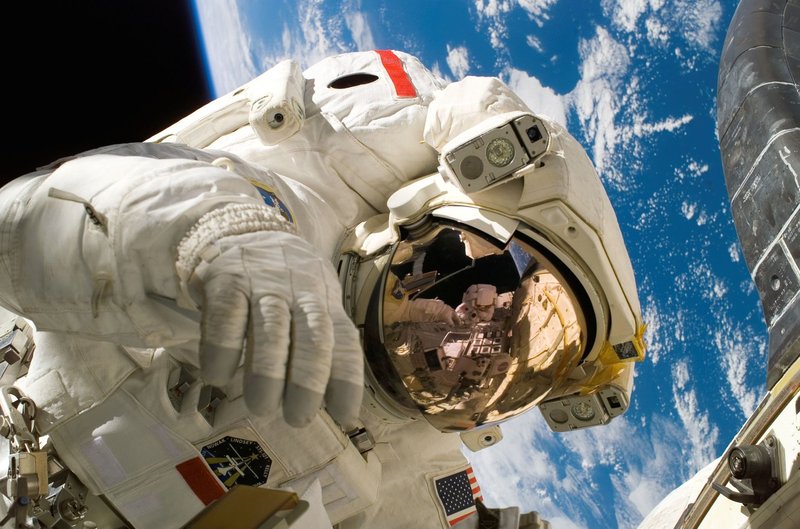
Donald Peterson, born in Winona in 1933, flew exactly one mission — but it was a notable one. He was a mission specialist on STS-6 in April 1983, the maiden flight of the Space Shuttle Challenger.
The headline from that flight: Peterson and crewmate Story Musgrave performed the first spacewalk of the entire Space Shuttle program. No American had done an extravehicular activity since the Skylab missions of the 1970s, so this was the first real test of the new shuttle-era spacesuit and airlock. The two men spent a little over four hours outside the orbiter, checking tools and procedures that every later shuttle spacewalk would build on.
Peterson logged about 120 hours in space across that single flight and left NASA the next year. He’d come up through the Air Force as a fighter pilot and, like Truly, joined NASA out of the cancelled Manned Orbiting Laboratory program — which is why two of Mississippi’s three astronauts share that same unusual origin story.
Mississippi’s Bigger Role: Stennis and Artemis
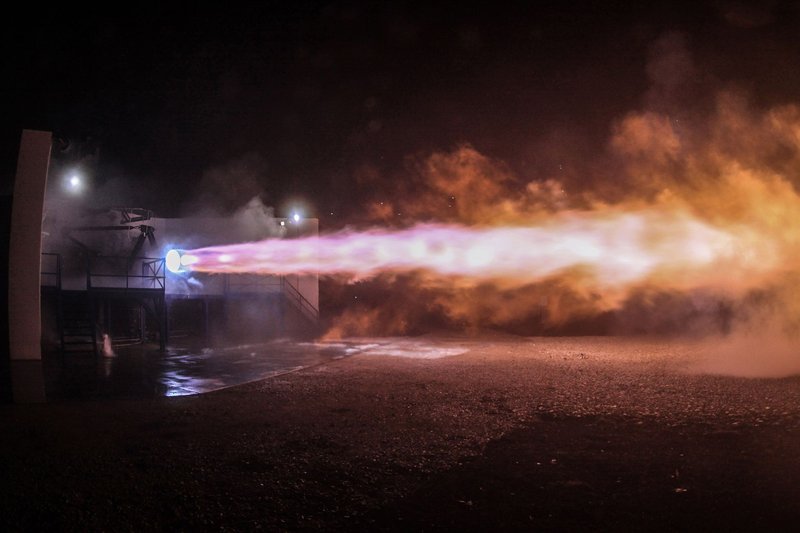
Here’s the part the birthplace lists skip. Mississippi’s biggest contribution to spaceflight isn’t the three men who left — it’s the ground they came from, specifically a patch of swampy pine forest in Hancock County.
Stennis Space Center is NASA’s largest rocket propulsion test site. Built in the 1960s to test the Saturn V engines that sent Apollo to the Moon, it later spent decades firing every Space Shuttle main engine before flight. The site is so loud and so consequential that NASA bought a buffer zone of more than 125,000 acres of surrounding land — an acoustic moat so the engine tests wouldn’t rattle the neighbors apart.
Stennis is still central to NASA’s plans. The four RS-25 engines and the core stage for the Artemis Moon program were tested there, including the full “green run” hot-fire of the Space Launch System core stage in 2021. So when Artemis II carries astronauts around the Moon, the engines under them will have been proven in Mississippi first. The state that produced Fred Haise is also where the rockets get their final tryout before flight.
Frequently Asked Questions
Who was the first astronaut from Mississippi? Fred Haise of Biloxi was the first, selected by NASA in 1966 and flying on Apollo 13 in 1970 — years before Richard Truly or Donald Peterson reached orbit on the Space Shuttle.
How many astronauts are from Mississippi? Three astronauts were born in Mississippi: Fred Haise (Biloxi), Richard Truly (Fayette), and Donald Peterson (Winona).
Did any Mississippi astronaut walk on the Moon? No. Fred Haise was scheduled to walk on the Moon during Apollo 13, but the mission’s oxygen tank failure cancelled the landing and he never got the opportunity.
What is Mississippi’s role in NASA today? Stennis Space Center near Bay St. Louis is NASA’s primary rocket engine test site. It tested the engines and core stage for the Artemis program that’s returning astronauts to the Moon.
Enjoyed this article?
Get daily 10-minute PDFs about astronomy to read before bed!
Sign up for our upcoming micro-learning service where you will learn something new about space and beyond every day while winding down.