Table of Contents
- Why Missouri Works for Stargazing
- Baker Observatory
- Laws Observatory
- Warkoczewski Observatory
- Crader Observatory
- McDonnell Planetarium at the Saint Louis Science Center
- Private and Club Observatories Worth Knowing About
- Best Time of Year to Go
- What to Bring
- Final Word
Missouri isn’t the first state that comes to mind for astronomy, and that’s exactly why the observatories here don’t feel overrun. No ticket lotteries, no three-month waitlists — just a handful of university-run domes, a planetarium, and a scattered network of amateur clubs that open their gates on clear nights and let you look up.
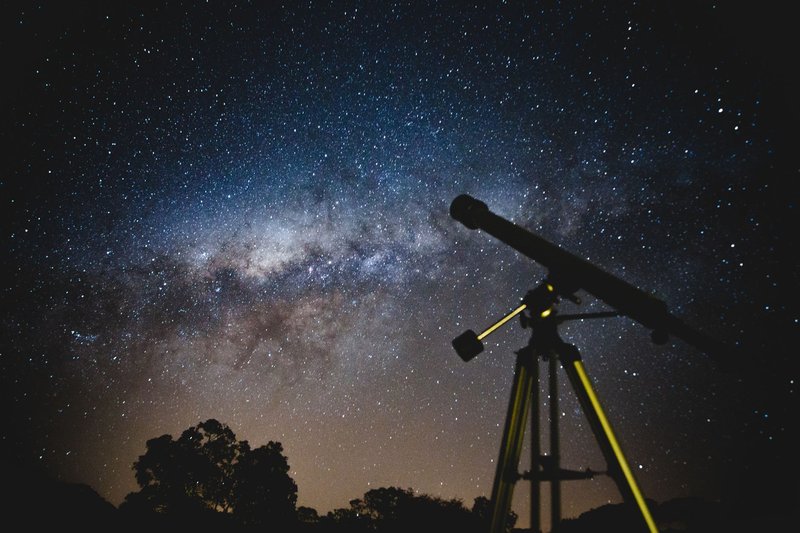
Most of what’s public runs through the state’s universities, which built these facilities for research and teaching first, public nights second. That matters: you’re not looking through a gift-shop telescope. You’re looking through instruments that faculty use for actual data collection, pointed by people who do this for a living.
Why Missouri Works for Stargazing
Missouri’s geography does it a favor. The Ozark Plateau in the southern half of the state pushes elevation up and population down, which is the combination that keeps skies dark. Outside the St. Louis and Kansas City metro glow, you can still find Bortle 3–4 skies within a couple hours’ drive of most population centers — good enough to pick out the Milky Way’s core on a clear August night.
The tradeoff is humidity. Summer haze softens transparency, so the sharpest views tend to come in fall and early winter, right after a cold front pushes through and scrubs the moisture out of the air. NOAA’s climate data backs this up — Missouri’s driest, clearest air statistically shows up between October and December.
Baker Observatory
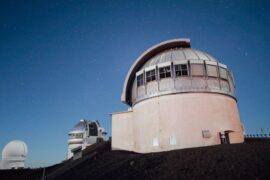
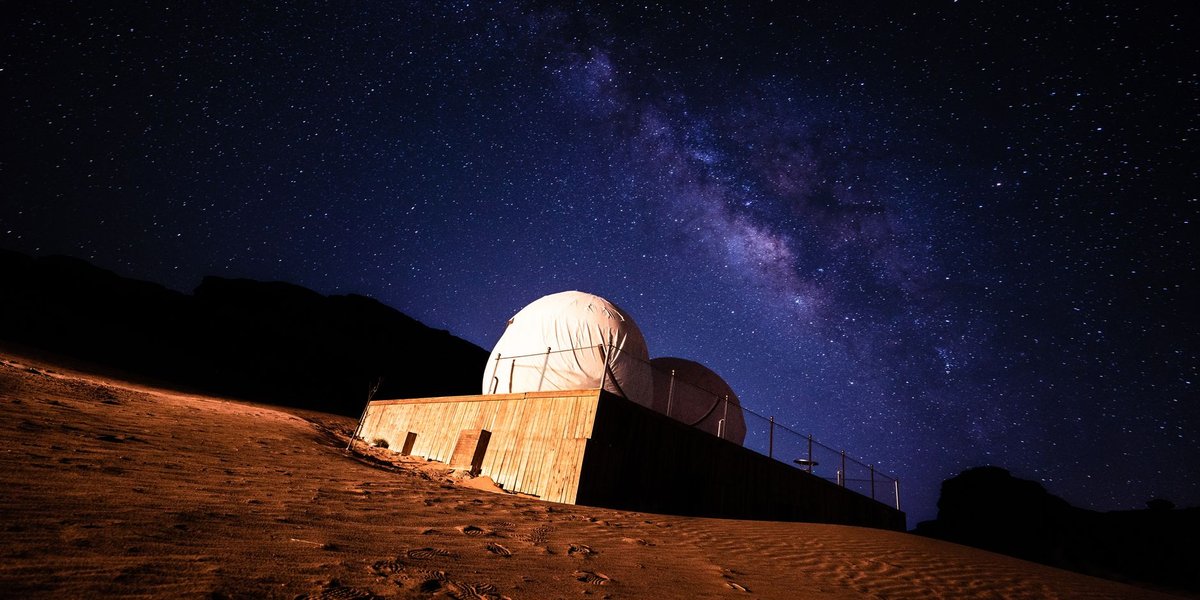
Missouri State University runs Baker Observatory out in the Ozark hills near Marionville, roughly a 25-minute drive south of the Springfield campus — a deliberate choice, since the site sits far enough from town lighting to matter. The observatory’s main instrument is a 14-inch reflector, backed by several smaller portable scopes the physics department wheels out for group nights.
Public observing nights run on a seasonal schedule tied to the university’s astronomy courses, usually clustered in spring and fall when clear-sky odds are best and undergrad labs need dome time anyway. Sessions are free, but they fill the gravel lot fast on nights with a marquee target — a bright planet at opposition, or a shower like the Perseids, which NASA tracks annually along with peak viewing dates. Bring a red flashlight; white light near the dome earns you dirty looks from whoever’s mid-exposure.
Laws Observatory
Sitting right on the University of Missouri’s Columbia campus, Laws Observatory is the most walkable public astronomy stop in the state — no rural drive required. It houses a 16-inch Cassegrain reflector under a dome that’s been part of the physics building’s roofline for decades, plus a rotating cast of smaller scopes for overflow crowds.
The Columbia Astronomical Society partners with the university for regular open nights, typically timed around the first quarter moon when lunar detail is sharp but the sky isn’t too washed out for fainter targets. Because it’s an urban campus site, don’t expect deep-sky views that rival a dark-sky park — this is a good first telescope experience, not a serious observing trip.
Warkoczewski Observatory
The University of Missouri–Kansas City’s rooftop observatory — everyone just calls it “Warko” because nobody’s pronouncing that on the first try — sits atop Royall Hall downtown. It’s one of the only public observatories in the country perched directly in a metro core, which makes it more useful for lunar and planetary viewing than deep-sky work; city light pollution swamps anything faint.
Its 12.5-inch reflecting telescope gets pointed at the moon, Jupiter, Saturn, and whatever bright object is worth a look on a given open night, usually scheduled monthly during the academic year and announced through the physics department. It’s free, it’s downtown, and it’s the easiest entry point in Kansas City if you’ve never looked through a real telescope before.
Crader Observatory
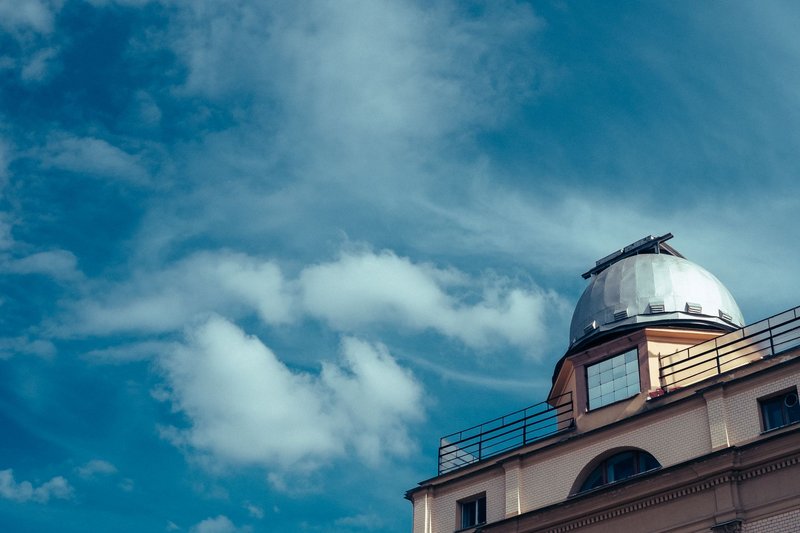
Southeast Missouri State University’s Crader Observatory, on the Cape Girardeau campus, rounds out the state-school circuit. It’s smaller in profile than Baker or Laws but still runs a legitimate research-grade setup used for the university’s astronomy curriculum, with public nights folded into that same academic calendar — concentrated around fall and spring semester, thin or dark over the summer break.
If you’re road-tripping the Bootheel region or passing through on I-55, it’s worth checking the physics department’s calendar before you detour — these campus observatories don’t run on a fixed weekly schedule the way a museum does, and a wasted trip on a closed night is the most common complaint you’ll find in local astronomy forums.
McDonnell Planetarium at the Saint Louis Science Center
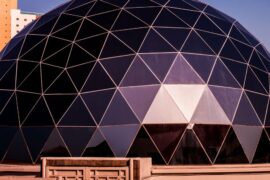
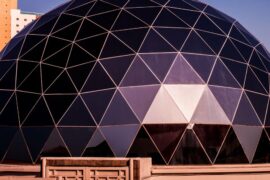
Not a telescope-viewing observatory in the traditional sense, but it belongs on this list because it’s the most consistent, weather-proof astronomy experience in the state. The James S. McDonnell Planetarium’s distinctive concrete dome has anchored Forest Park’s skyline since the 1960s, and inside it runs daily shows plus rotating astronomy programming for kids and adults.
On clear evenings, the Science Center periodically opens its own observation deck with telescopes staffed by volunteers from the St. Louis Astronomical Society — a solid backup plan for families whose trip coincides with cloud cover, since the planetarium show happens rain or shine.
Private and Club Observatories Worth Knowing About
Most of Missouri’s amateur astronomy activity actually happens through clubs, not the university sites above. The St. Louis Astronomical Society (SLAS) and the Astronomical Society of Kansas City both maintain member-access dark-sky sites well outside city limits, and most clubs welcome guests at a handful of open public star parties each year even if you’re not a member. If you’re serious about seeing a genuinely dark sky rather than a campus rooftop, joining one of these groups — even for a single event — gets you access to darker sites and better-maintained personal telescopes than anything a university opens to the general public. The International Dark-Sky Association maintains a broader map of certified dark-sky places if you want to plan a trip beyond Missouri’s borders too.
Best Time of Year to Go
Late September through November delivers the state’s most reliable combination of clear nights and low humidity, right after summer’s haze breaks and before winter cloud systems roll in. Winter can produce spectacular transparency on the coldest, driest nights, but cloud cover is less predictable and the cold cuts observing sessions short. Summer is workable for planetary viewing and the Perseid meteor shower in August, but expect more atmospheric shimmer softening fine detail.
What to Bring
Layers, even in warmer months — you’re standing still outdoors for an hour-plus, and temperatures drop fast after dark. A red-light flashlight is non-negotiable at any organized public night; white light ruins other observers’ night vision and will get you politely told off. If you’re heading to a rural site like Baker or a club dark-sky field, download offline maps beforehand — cell service in the Ozarks thins out exactly where the skies get good.
Final Word
None of Missouri’s public observatories are trying to be a destination attraction, and that’s the point. They’re working research facilities that happen to open their doors, run by people who’ll talk your ear off about seeing conditions if you ask a real question. Start at whichever campus site is closest — Laws if you’re in Columbia, Warko if you’re downtown Kansas City, Baker if you want the darkest sky with the least driving — and if it hooks you, the club circuit is where the real dark-sky access lives.