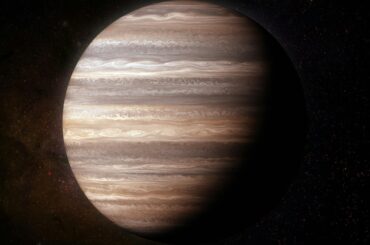
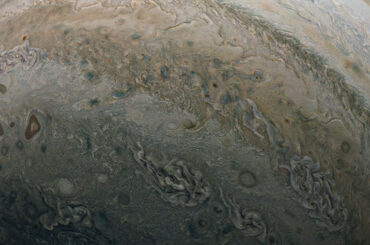
Explore the 10 most intense radiation environments in space — from Jupiter’s lethal belts and the Sun’s solar storms to cosmic rays and pulsar surroundings. This hub summarizes why each environment is so extreme, the risks to spacecraft and astronauts, and links to detailed posts covering measurements, causes, and mitigation strategies for researchers, space fans, and mission planners.
Explore six compelling reasons Callisto is underrated compared to its more famous siblings. This hub post outlines geology, habitability potential, exploration advantages, and science opportunities, and links to deeper articles that unpack each point for readers and space-enthusiasts.
Ganymede, Jupiter’s largest moon, packs surprises: a hidden ocean, its own magnetic field, varied icy terrain, and signs of geological activity. This post presents six compelling reasons Ganymede is the most interesting moon and links to in-depth articles on habitability, geology, and exploration missions. Explore what makes this Jovian world stand out in the Solar System.
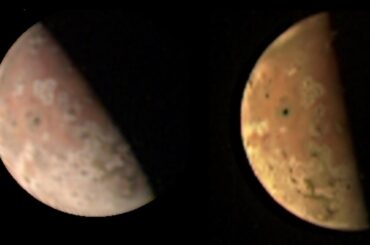
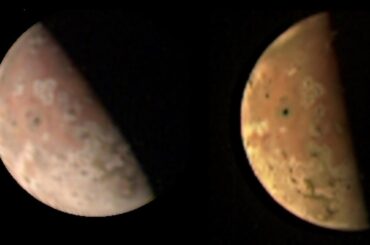
From relentless volcanic eruptions and deadly radiation belts to tidal heating and sulfurous plumes, Io hosts multiple lethal conditions. This hub outlines the 10 things that make Io the deadliest moon and links to in-depth posts on each hazard for explorers and researchers.
Explore a complete list of 14 Jovian Planets — massive gas giants with key data on mass, radius, moons and rings. This post provides easy-to-read tables and comparisons to help you understand each planet’s size, satellites, and ring systems. Dive in to compare their masses, radii, and moon counts at a glance.
This post presents 20 Examples of Planets with a clear table of common short name, type, diameter (km), and location. Ideal for students and space enthusiasts, the complete list makes it easy to compare terrestrial worlds, gas and ice giants, and notable exoplanets at a glance.
Planets travel at different speeds along their orbits around the Sun. Said orbits also become exponentially longer the farther away…
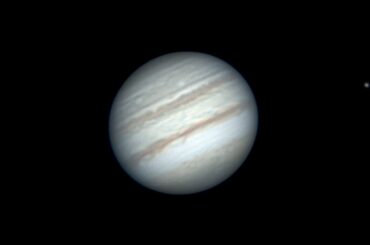
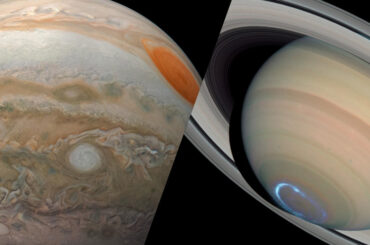
Jupiter and Saturn are the two biggest planets in the Solar system. And they happen to be neighbors to each…