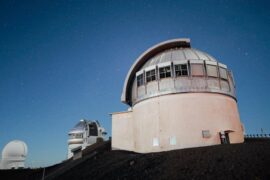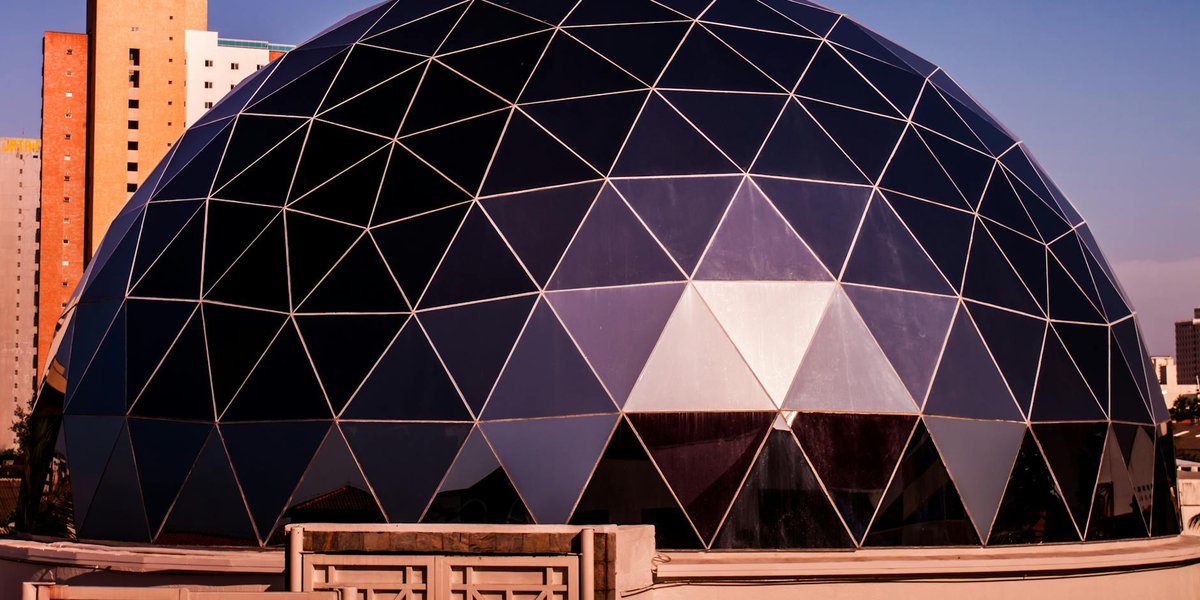
North Carolina has a better planetarium scene than most people expect. You’ve got big-city science centers, university-backed domes, and a few places that are really more “science museum with a planetarium theater” than a standalone star temple. That distinction matters. If you want the full night-sky experience, you need to know which spot is actually worth the drive.
This guide sorts through the planetariums in North Carolina by region and use case: best for kids, best for school groups, best for serious astronomy fans, and best if you’re near Raleigh, Charlotte, Greensboro, Asheville, or the coast.
Table of contents
- TLDR
- Best planetariums in North Carolina
- Planetariums by region
- How to choose the right one
- Visitor tips
- Conclusion
TLDR
If you only have time for one, make it the Morehead Planetarium and Science Center in Chapel Hill. It’s the state’s most famous planetarium for a reason: real sky shows, strong educational programming, and a long history of public astronomy outreach.
For families with younger kids, Catawba Science Center in Hickory is a solid pick because it pairs the planetarium with hands-on exhibits.
For Western North Carolina, Science Center of Western North Carolina in Asheville is the easiest family-friendly option near the mountains.
For the Triangle, Morehead is still the top choice. For the Charlotte area, Discovery Place Science gives you the planetarium-theater experience without a long drive.
Best planetariums in North Carolina
1) Morehead Planetarium and Science Center — Chapel Hill
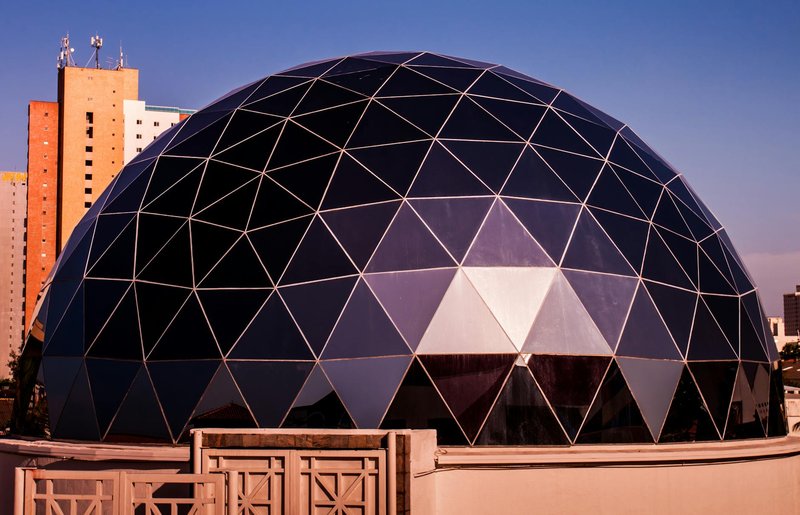
Morehead is the heavyweight here. It’s one of the best-known planetariums in the country, and it’s not just famous by accident. The planetarium programs are built around immersive sky shows, live presentations, and science education that doesn’t treat adults like they wandered in by mistake.
It’s especially strong for school groups, curious adults, and anyone who wants a proper astronomy experience instead of a looping “space visuals” show set to soundtrack music. The University of North Carolina connection gives it real academic credibility, and Chapel Hill makes it an easy day trip from Raleigh, Durham, or Greensboro.
Best for: astronomy fans, school groups, Triangle visitors
Why go: classic planetarium programming, educational depth, easy access from the Triangle
2) Catawba Science Center — Hickory
This is the one to pick if you want a planetarium plus a science museum in the same visit. The planetarium is part of a broader center, which makes it a practical choice for families who need more than one activity to justify the trip.
The show selection usually leans family-friendly and educational, which is exactly what you want with younger kids. Hickory is also a good middle ground if you’re coming from Charlotte, Winston-Salem, or the western Piedmont. It’s not a flashy destination. It’s a useful one.
Best for: families, kids, school field trips
Why go: hands-on museum pairing, accessible for central North Carolina
3) Discovery Place Science — Charlotte
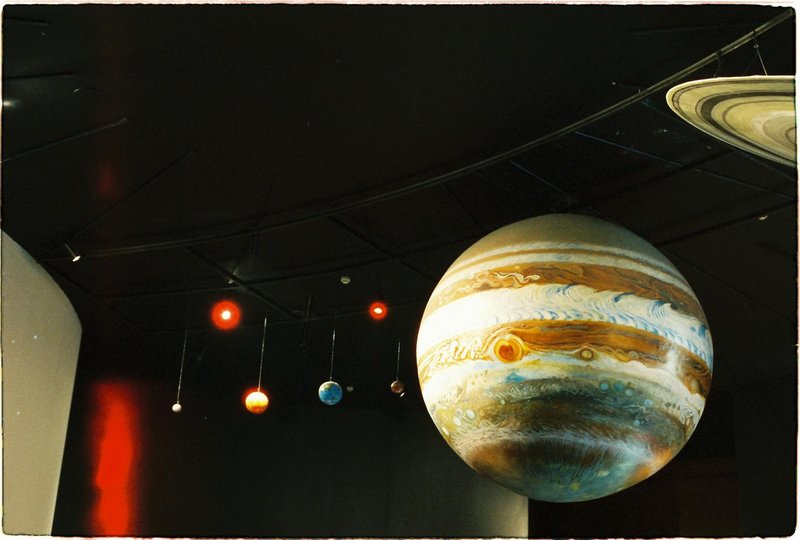
Discovery Place is one of Charlotte’s strongest family attractions, and the planetarium experience is part of that package. This is less of a standalone astronomy institution and more of a big science center with a planetarium theater, but that’s not a bad thing. For many visitors, it’s exactly what they need: a polished, easy-to-plan outing in the middle of the city.
If you’re in Charlotte and want a space-themed stop without turning it into a road trip, this is the obvious answer. It’s also a good pick for mixed-interest groups where not everyone is equally thrilled about constellations but everyone is happy to wander around a science museum for a couple of hours.
Best for: Charlotte families, mixed-age groups, casual visitors
Why go: central location, broad appeal, easy add-on to a city day
4) Science Center of Western North Carolina — Asheville
Asheville doesn’t have a huge number of pure astronomy attractions, so this science center pulls more weight than you’d expect. Its planetarium programming gives mountain visitors a convenient place to catch a sky show without trekking far from town.
This is a good option if you’re already in Asheville and want something indoor, educational, and not beer-related for a change. The planetarium side is best thought of as part of the science center experience, not a separate destination, but it still earns its spot on any serious North Carolina list.
Best for: Asheville families, rainy-day plans, mountain travelers
Why go: convenient, educational, easy to combine with other Asheville stops
5) North Carolina Museum of Natural Sciences — Raleigh
Raleigh’s science museum is huge, and while it’s better known for fossils, wildlife, and broad natural history exhibits, it’s still relevant for visitors looking for astronomy programming in the Triangle. Depending on current exhibitions and events, it can be part of a space-themed museum day rather than a dedicated planetarium pilgrimage.
This is the “check what’s running before you go” option. The museum itself is absolutely worth a visit, but planetarium availability and programming can vary. That’s common with large science museums that host rotating shows and special events.
Best for: museum day trippers, Raleigh visitors, families
Why go: strong overall museum, occasional astronomy-related programming
6) Cape Fear Museum of History and Science — Wilmington
Wilmington isn’t the first place people think of for astronomy, but the area has enough science and museum programming to make it worth a look if you’re on the coast. Cape Fear Museum is not a classic standalone planetarium destination, but it can be part of a broader educational outing for families in the region.
For visitors staying near the beach, it’s a nice indoor backup when the weather turns ugly or the kids need a break from sand. The key here is to check current programming, because coastal museums often rotate special exhibits and events.
Best for: Wilmington families, coastal visitors, rainy-day plans
Why go: convenient regional science stop, good backup activity
Planetariums by region
Triangle: Chapel Hill, Raleigh, Durham
If you’re in the Triangle, Morehead Planetarium is the main event. Raleigh’s museum scene adds another option for science-centered visits, but Morehead is the one with the strongest planetarium identity. It’s the place to choose if your main goal is the show itself.
Charlotte and the Piedmont
Charlotte’s answer is Discovery Place Science, while Hickory’s Catawba Science Center makes a strong side trip if you’re willing to drive a bit. The Charlotte metro has good options, but fewer true planetarium-first institutions than people assume.
Western North Carolina
For Asheville and the mountains, Science Center of Western North Carolina is the most practical pick. It’s the easiest way to get a planetarium experience without making the whole day about logistics.
Coastal North Carolina
Wilmington and the coast are lighter on planetarium-specific stops. That doesn’t mean there’s nothing to do — it just means you’re more likely to find science museums with planetarium programming than a dedicated dome experience.
How to choose the right one
Not every planetarium visit serves the same purpose.
- For a real astronomy show: choose Morehead in Chapel Hill.
- For younger kids: choose Catawba Science Center or Discovery Place Science.
- For a rainy-day family outing: choose any planetarium tied to a larger science museum.
- For school groups: Morehead and Catawba are usually the strongest bets.
- For a casual city stop: Discovery Place is the most convenient if you’re already in Charlotte.
That’s the real split in North Carolina. Some places are built around astronomy education. Others just happen to have a dome in the building. Both can be worth your time, but they are not the same thing.
Visitor tips
Before you drive across the state for a show, check three things:
- Show schedules — planetariums often run timed programs, not constant screenings.
- Age recommendations — some shows are geared to younger kids; others assume adults can follow along without talking through the whole thing.
- Ticketing — many planetariums use timed entry or separate tickets for dome shows and museum admission.
If you’re traveling with a group, book ahead. Planetarium seats are limited, and school tours can fill a schedule faster than you’d think.
For official hours, showtimes, and ticket rules, use the venue sites directly. Museum schedules change often enough that third-party listings go stale fast. For astronomy context and show standards, the International Planetarium Society is a good reference point, and NASA’s Earth and Space Science pages are useful if you want to brush up before a visit.
Conclusion
The best planetariums in North Carolina depend on what kind of day you want. For the strongest dedicated planetarium experience, Morehead in Chapel Hill is still the one to beat. For families, science centers in Hickory, Charlotte, and Asheville make the trip easier and more practical. And for coastal or city visitors, the planetarium often shows up as part of a larger museum rather than as a standalone attraction.
That’s not a drawback. It just means North Carolina’s astronomy scene is more scattered than flashy. Once you know where to look, there’s plenty worth seeing.
Enjoyed this article?
Get daily 10-minute PDFs about astronomy to read before bed!
Sign up for our upcoming micro-learning service where you will learn something new about space and beyond every day while winding down.