Europa is one of the most tempting places in the Solar System to look for life, and NASA has spent decades circling back to it. Not because the moon is easy to study. It isn’t. Europa sits deep in Jupiter’s radiation belt, wrapped in a shell of ice, and probably hides a salty ocean beneath it. That combination is exactly why scientists keep going there. For a broader catalog of missions to Europa, see The Complete List of Space Missions to Europa.
Table of contents
- TL;DR
- Why Europa matters
- NASA missions to Europa: a mission-by-mission timeline
- What Galileo found
- What Juno added
- Europa Clipper: NASA’s next big step
- What scientists still want to know
- Final take
TL;DR
NASA has studied Europa with Galileo and Juno, and the big next step is Europa Clipper, a dedicated mission designed to fly past the moon dozens of times and investigate whether its hidden ocean could support life. Galileo proved Europa is geologically active and likely has a subsurface ocean. Juno has added sharper close-up observations of the moon’s surface and plumes. Europa Clipper is the mission built to answer the real question: how habitable is Europa, really?
Why Europa matters
Europa looks like a pool ball made of cracked ice, but that surface is only part of the story. Beneath it, scientists think there’s a global ocean of liquid water. That matters because liquid water, chemical energy, and the right ingredients for biology are the basic checklist for habitability.
The idea isn’t speculative fan fiction. Observations from the Galileo mission in the 1990s showed that Europa’s icy shell is fractured, disrupted, and possibly moving. Later measurements suggested a salty ocean under the crust, and more recent work has kept strengthening that case. NASA’s Europa Clipper mission exists because Europa is not just an interesting moon. It’s a serious candidate for an ocean world that might, under the right conditions, support life.
NASA missions to Europa: a mission-by-mission timeline
| Mission | Years | What it did at Europa | Why it mattered |
|---|---|---|---|
| Voyager 1 and 2 | 1979 | First close images of Europa | Showed a bright, relatively smooth ice-covered moon |
| Galileo | 1995–2003 | Multiple flybys and detailed observations | Strong evidence for an ocean and active geology |
| Juno | 2022–present | Distant and close observations during flybys | Added new data on surface, composition, and possible plumes |
| Europa Clipper | Launch planned for 2024; arrival in 2030 | Dozens of close flybys | Will assess ocean, ice shell, chemistry, and habitability |
Voyager isn’t usually counted as a Europa mission in the modern sense, but those first images mattered. They told scientists Europa was bright, fractured, and strange enough to deserve a much closer look.
What Galileo found
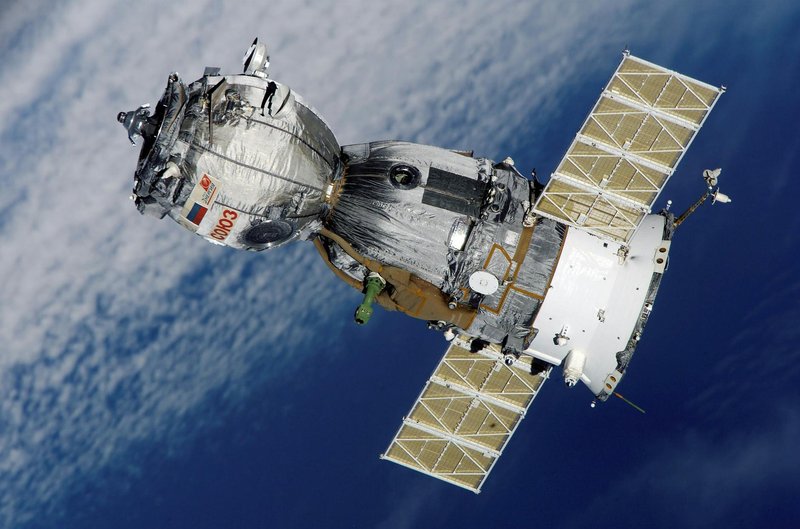
Galileo was the mission that turned Europa from “interesting moon” into “ocean world worth losing sleep over.” NASA’s spacecraft orbited Jupiter for years and made several flybys of Europa between 1996 and 1999.
Its biggest contribution was simple: the surface looked young and actively reshaped. Europa’s long cracked lines, chaotic terrain, and disrupted ice blocks suggested something was moving underneath. That something is now widely understood to be a salty liquid ocean.
Galileo also measured Europa’s magnetic environment. Those readings fit the idea of a conductive layer beneath the surface — exactly what you’d expect if salty water were sloshing under the ice. This isn’t a direct ocean selfie. Space science rarely hands those out. But the evidence was strong enough to change the conversation.
NASA summarizes Galileo’s Europa results in its mission archive, and the Journal of Geophysical Research has published decades of follow-up work on the moon’s geology and magnetic response.
What Juno added
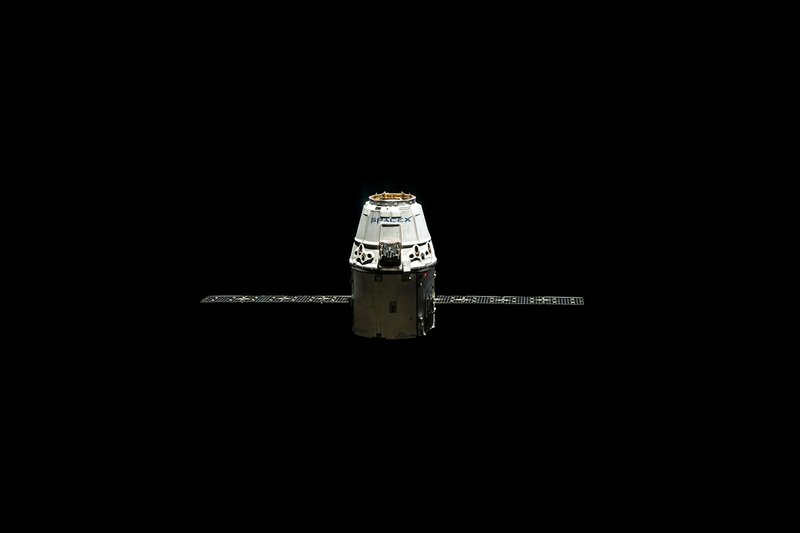
Juno was built to study Jupiter, not Europa, but it has still helped. During Jupiter flybys in the 2020s, it collected valuable observations of Europa at close range and from different viewing angles than Galileo had.
That matters because Europa’s surface is dynamic and messy. New imaging and spectral data help scientists track the moon’s ice chemistry, surface features, and possible recent activity. Juno has also kept alive the question of Europa plumes — thin jets of water vapor or material that may rise from the moon’s interior.
Plumes are a big deal because they might allow scientists to sample material from the ocean or near-ocean environment without drilling through miles of ice. That’s the dream, anyway. Europa doesn’t exactly hand out easy access.
Europa Clipper: NASA’s next big step
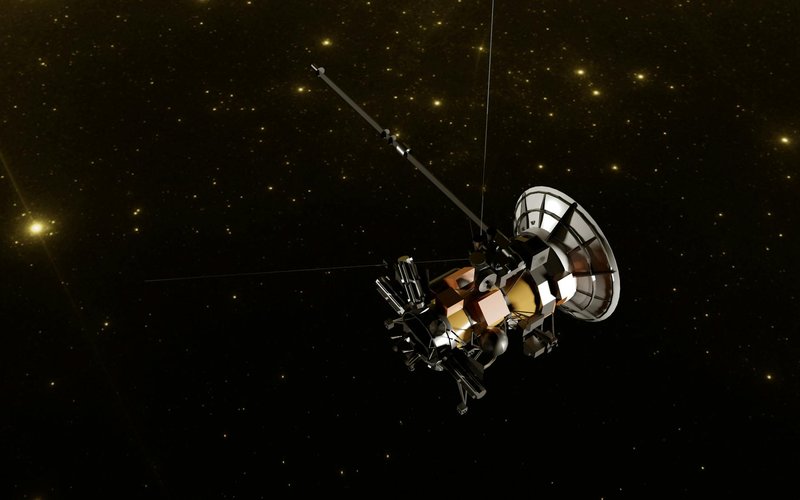
Europa Clipper is the mission built specifically for Europa, and it’s the main reason this topic matters now. Unlike Galileo, which had a broad Jupiter mission, Clipper is laser-focused on the moon itself.
The spacecraft is designed to make roughly 50 close flybys of Europa while orbiting Jupiter. It won’t stay parked at Europa — that would expose it to brutal radiation for too long — but each flyby will let instruments map the ice shell, measure the moon’s gravity and magnetic field, and study surface composition.
Its scientific goals line up around a few core questions:
- How thick is the ice shell?
- Is there a global ocean beneath it?
- What is the ocean like chemically?
- Could Europa’s environment support life?
To answer those, Europa Clipper carries radar, cameras, spectrometers, and instruments that can probe magnetic and thermal properties. NASA says the mission is meant to evaluate Europa’s habitability, not find life directly. That’s the difference between a compelling target and a direct detection mission.
The mission’s launch slipped from its original target window, but the overall plan remains the same: get close, repeatedly, and with far better tools than earlier flybys had. NASA’s mission page for Europa Clipper is the best place to track current status.
What scientists still want to know
Europa is still full of unanswered questions, and that’s what keeps it interesting.
First: how thick is the ice shell? If it’s thin in some places, the ocean may interact more directly with the surface. That has implications for chemistry, heat flow, and potential habitability.
Second: how much exchange happens between the ocean and the surface? A dead, sealed ocean is less interesting than one that’s actively trading material with the outside world.
Third: what kind of chemistry is present? Life needs more than water. It needs energy sources and usable chemical ingredients. Understanding salts, organics, oxidants, and possible hydrothermal activity is a huge part of the Europa puzzle.
Fourth: are the plumes real, and if so, how common are they? NASA’s Hubble observations have hinted at them, but the evidence is still messy. Europa Clipper should help settle that one.
Final take
NASA missions to Europa have followed a clear arc: first look, then serious flyby science, then a dedicated mission built to answer the big habitability questions. Voyager showed Europa was worth a second look. Galileo made the ocean hypothesis real. Juno has added modern observations from a different angle. Europa Clipper is the mission that finally treats Europa like the ocean world it probably is.
If Europa has the ingredients for life, Clipper is the mission most likely to tell us why. If it doesn’t, that answer matters too. Either way, Europa is one of the few places where NASA can ask a genuinely big question and get a shot at a real answer.
Enjoyed this article?
Get daily 10-minute PDFs about astronomy to read before bed!
Sign up for our upcoming micro-learning service where you will learn something new about space and beyond every day while winding down.