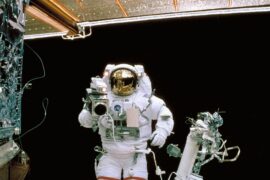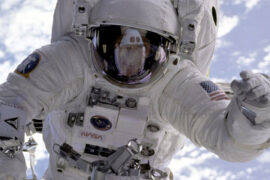
In 2021 a clear turning point arrived: three private missions—Blue Origin and Virgin Galactic’s suborbital flights and SpaceX’s Inspiration4 orbital mission—carried paying civilians above the Kármán line or into orbit, shifting access to space from government-only programs to customers who could buy a seat. That year made it obvious that human spaceflight was opening to new actors, funds, and expectations.
This shift matters because it creates measurable economic growth, accelerates technologies that will touch daily life, and spreads a perspective that can influence policy and culture. Space tourism is not just a luxury for the wealthy; it’s a catalyst that will reshape jobs, technology, science, infrastructure, culture, and environmental policy. In the sections that follow I lay out 10 concrete reasons—grouped under Economic & Industrial, Scientific & Technological, and Social/Cultural & Environmental impacts—showing why this new market will have broad, lasting effects.
Read on for specific examples and forecasts—from Virgin Galactic ticket ranges and Axiom’s private ISS missions to Morgan Stanley’s long-term market estimates—that reveal how this sector will ripple beyond launchpads. Next: the most immediate impacts on jobs and industry.
Economic and Industrial Transformation

Paying passengers change the calculus for launch providers, airports, and local economies. When customers can buy suborbital hops or private trips to low Earth orbit, entire markets appear: ticketing and training, hospitality for preflight stays, repeatable launch services, and niche manufacturing. Analysts such as Morgan Stanley have suggested the broader space economy could reach roughly $1 trillion by 2040, and that scale depends in part on consumer-facing human flights.
Tickets give us a sense of scale: Virgin Galactic began offering seats in the approximately $250,000–$450,000 range, while private orbital missions to the International Space Station have cost millions per seat. Those price points create a margin that attracts investment, spawning startups, suppliers, and regional development around spaceports.
As revenues flow, capital concentrates around launch sites and manufacturing hubs. That creates jobs in engineering, production, hospitality, and logistics—roles that are measurable and taxable. Below are the specific ways this manifests on the ground and in new markets.
1. Creation of High-Paying STEM and Service Jobs
Commercial passenger flights require engineers, technicians, flight controllers, medical teams, safety officers, and hospitality staff. Firms such as SpaceX and Blue Origin ramped up hiring to support higher production and launch cadence, and commercial spaceports report growing payrolls tied to launches and tourism.
Direct employment at manufacturers and operators combines with indirect jobs in supply chains and local services—hotels, transport, and food service. Spaceport America and Mojave Air and Space Port have both documented regional job and revenue growth tied to their activities, showing how a single launch site anchors broader employment.
Training programs—technical colleges, aerospace apprenticeships, and specialized certification courses—also grow, giving regional workforces new pathways into well-paid STEM and service roles.
2. New Consumer Markets: Orbital Hotels, Cinematic Tourism, and Experiences
Customers create demand for repeatable, packaged experiences: short suborbital flights, week-long orbital stays, and curated zero-g activities. Early buyers and corporate sponsors fund pilot offerings that prove concepts and attract attention from hospitality and entertainment investors.
Companies have already pitched orbital hotels (for example, Voyager Station proposals) and private film projects have been announced—Tom Cruise’s planned shoot with SpaceX and other teams made headlines in the 2020s. Axiom Space’s private missions to the ISS (Ax-1, April 2022) demonstrated that longer, revenue-generating stays are practical.
Ancillary services—training centers, medical clearance providers, travel logistics firms, and space-focused concierge services—become high-margin businesses, and that investor interest pushes costs down over time as offerings scale.
3. Supply-Chain and Manufacturing Upside
Routine commercial flights make it worth establishing reliable, higher-volume suppliers for engines, avionics, composite structures, and specialized materials. Reusable launch vehicles and modular satellites encourage suppliers to standardize and scale production.
Examples include SpaceX’s reusable Falcon 9 lowering marginal launch costs and companies using 3D printing for engines and components (efforts by Relativity Space, Rocket Lab, and others). Those manufacturing advances spill over into automotive, medical devices, and energy applications.
Higher production volumes and repeat orders reduce per-unit costs and create niches for certified suppliers—helping the broader industrial base mature and integrate space into terrestrial supply chains.
4. Regional Economic Growth Around Spaceports
Spaceports act like airports or military bases: they attract hotels, restaurants, logistics firms, and STEM outreach programs. Local governments often invest in roads, utilities, and workforce development to support these clusters.
Spaceport America (New Mexico) and Mojave Air and Space Port (California) provide early templates: public reports there show visitor spending, construction jobs, and ongoing operations work that benefit regional economies. Florida and Texas show similar patterns where launch-site investments ripple into tourism and services.
Over time, these hubs can seed small-business growth, vocational training programs, and long-term infrastructure upgrades that anchor national industrial policy around an expanded commercial space sector.
Scientific and Technological Acceleration
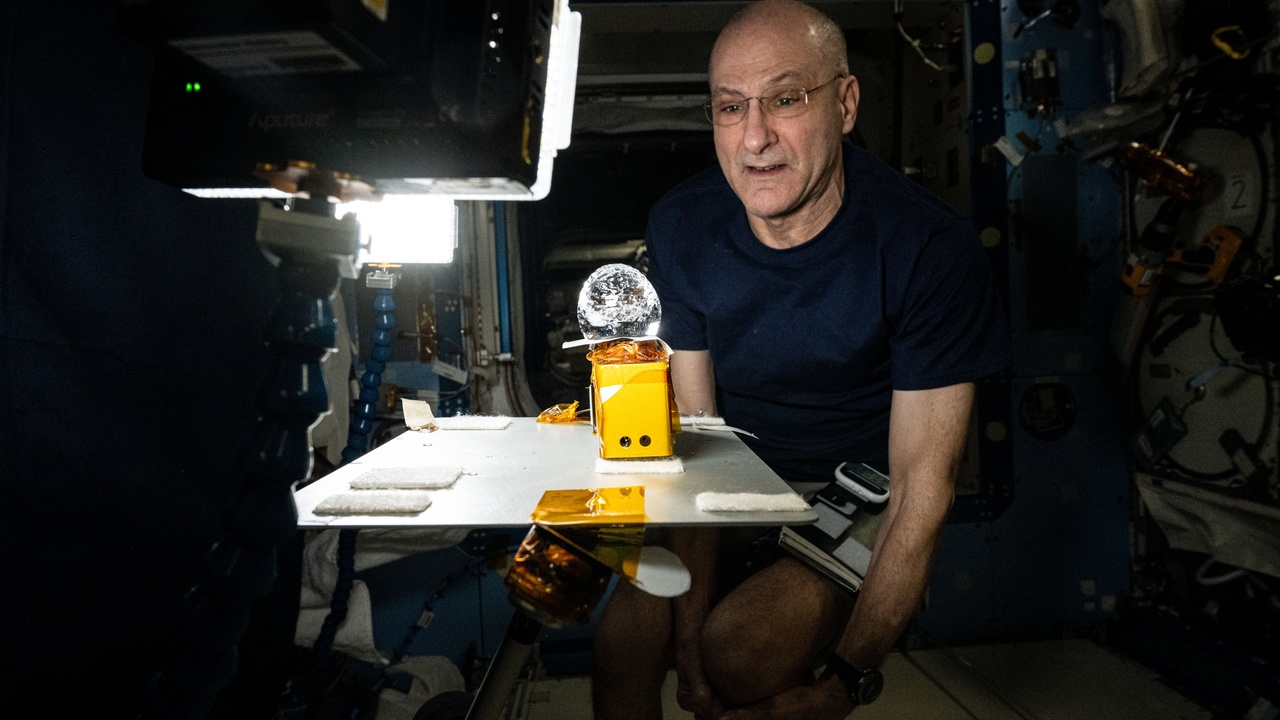
Frequent human access to space turns rare experiments into routine tests and creates new platforms for manufacturing and medical research. Commercial flights broaden who can sponsor science and shorten the cycle from lab concept to orbital demonstration.
That increased cadence drives improvements in life-support, propulsion, and habitat technology. Private missions—like Inspiration4 (September 2021) with biomedical experiments, and Axiom missions used for private research—illustrate how tourism dollars can support meaningful science.
5. Faster Progress in Microgravity Research and Biomedical Advances
When customers pay for flights, research payloads can hitch rides or become part of sponsored missions, increasing experiment throughput. Inspiration4 carried biomedical studies in September 2021, and Axiom Ax-1 (April 2022) included privately funded research aboard the ISS.
Regular access helps pharmaceutical and tissue-engineering teams move from single demonstrations to pilot runs. Findings in bone-loss countermeasures, protein crystallization, and 3D tissue growth made in microgravity can inform treatments for aging and disease on Earth.
Private funding shortens the time from idea to orbital test, letting researchers iterate faster and translate results more quickly into clinical or commercial products.
6. Acceleration of In-Space Manufacturing and Materials Science
Microgravity enables product properties difficult or impossible to achieve on Earth—higher-quality fiber optics, purer protein crystals, and novel metal alloys. Demonstrations and pilot production runs prove the business case for manufacturing hubs in orbit.
Made In Space led early demonstrations of 3D printing in microgravity, and more recent commercial pilot programs have explored fiber growth and metal printing. As paying passengers and companies demand orbital services, investment in production infrastructure follows.
Those products can create downstream value for telecommunications, medicine, and precision manufacturing back on Earth, justifying continued growth in orbital production capabilities.
7. Faster Innovation in Life-Support, Habitats, and Safety Systems
Customer safety and comfort push rapid improvements in compact environmental control systems, radiation monitoring, and medical readiness. Commercial modules planned for the ISS (Axiom’s proposals) and private habitat prototypes are accelerating design iterations.
Lessons from commercial crew programs—like abort systems tested by SpaceX—lead to better emergency procedures and reduced preflight training times. Those compact systems have terrestrial uses too, from remote-clinic oxygen and water reclamation to disaster-response shelters.
Faster cycles of build-test-refine driven by passenger expectations raise overall safety and usability standards across the sector.
8. Satellite and Propulsion Improvements Driven by Demand
Commercial launches for humans and payloads increase cadence and encourage reusable and responsive systems. SpaceX’s Falcon 9 reusability and the rideshare models from Rocket Lab underscore a trend toward lower per-launch costs and faster iteration.
That demand pushes development of electric propulsion, greener propellants, and compact satellite buses, enabling cheaper broadband, better Earth observation, and more agile in-space servicing. Rapid iteration in propulsion and satellite design benefits both commercial and scientific missions.
As launch frequency rises, operators can test and deploy upgrades faster, improving capabilities for weather, communications, and disaster response.
Social, Cultural, and Environmental Shifts
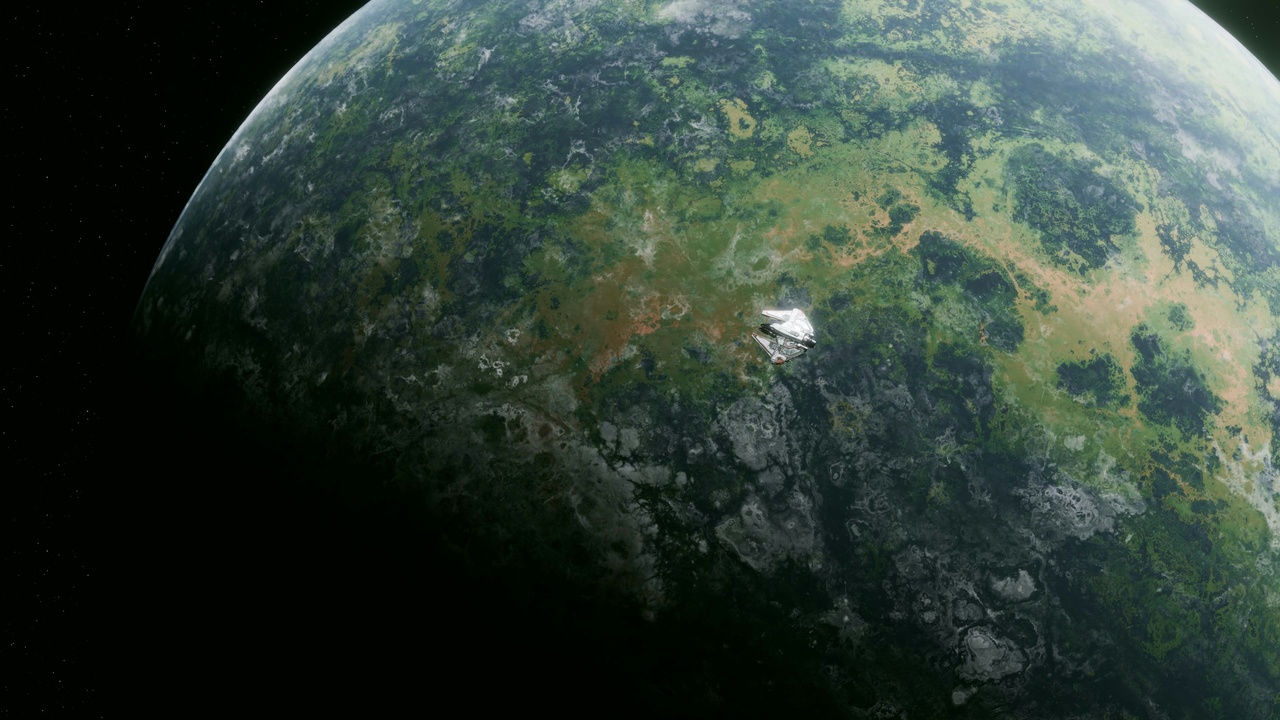
Beyond dollars and hardware, more civilians in space change how people think about Earth and their place on it. Understanding how space tourism will change everything requires looking at the intangible effects: perspective shifts, new data for climate science, and governance questions about who gets to go and who benefits.
These shifts raise ethical and regulatory issues even as they inspire students and artists. The next two points cover how seeing Earth from orbit spreads empathy and how satellites and launches affect environmental policy and rules of the road in space.
9. A Widespread ‘Overview’ Perspective That Changes Culture and Education
The overview effect—reports of cognitive and emotional shifts experienced by astronauts when viewing Earth—has been described since the Apollo era. As more civilians (Inspiration4 crew members, early Virgin Galactic passengers) share those accounts, that perspective spreads beyond a small astronaut corps.
Wider exposure can feed environmental activism, influence curriculum choices, and motivate new cohorts to pursue STEM careers. Schools and museums may incorporate firsthand civilian accounts, while artists and filmmakers use those experiences as raw material for cultural work.
When more people return with a sense of planetary connectedness, public support for global issues—climate action, biodiversity protection, disaster relief—can grow in concrete ways.
10. Better Environmental Monitoring — and New Governance Questions
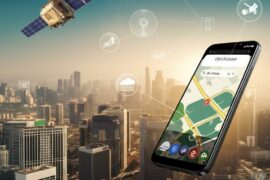
More launches and larger constellations improve our capacity for climate and disaster monitoring: higher revisit rates, finer-resolution imagery, and rapid-response tasking for wildfires, floods, and storms. Agencies such as NASA and ESA already rely on satellite data for forecasting and research.
At the same time, increasing human activity in low Earth orbit raises questions about orbital debris, traffic management, and equitable access. Regulators are adapting—FAA has updated licensing for commercial human spaceflight and national agencies track debris—but international rules lag behind the pace of commercialization.
The sector must wrestle with ethical trade-offs: launch emissions and environmental footprint on Earth, who pays for orbital cleanup, and how to ensure wider access rather than concentrating benefits among a few.
Summary
- Private flights since 2021 (Inspiration4, Virgin Galactic, Blue Origin) mark an inflection that can seed a roughly $1 trillion space economy by 2040, driving jobs and new markets.
- Commercial demand creates high-paying STEM and service roles, plus regional growth around spaceports (Spaceport America, Mojave), and supports supply-chain scale for engines, composites, and avionics.
- Routine human access accelerates microgravity research and in-space manufacturing (Inspiration4, Axiom Ax-1, Made In Space), with real-world benefits for medicine, telecom, and materials.
- Broader cultural effects include a spreading overview perspective and stronger environmental data streams, but they also raise governance, debris, and equity questions that policy must address.
Enjoyed this article?
Get daily 10-minute PDFs about astronomy to read before bed!
Sign up for our upcoming micro-learning service where you will learn something new about space and beyond every day while winding down.