The night sky is full of stories, and some star patterns carry people’s names — from mythic heroines to historical figures. Whether you’re learning constellations for the first time or planning a seasonal observing session, a quick, organized list makes it easy to spot who each pattern honors and when to look.
There are 15 Constellations Named After People, ranging from Andromeda to Scutum. For each entry you’ll find below Person represented (meaning), Origin / Named by, Visibility (hemisphere; peak months); you’ll find the full list and details below.
How were constellations given people’s names?
Many were named for mythological characters, explorers, or scholars by early astronomers mapping the sky; some modern additions honor scientists or commemorative figures. The origin column shows who named them and why, helping you trace whether a name comes from ancient lore or later cataloguing.
Can I observe all 15 from one location?
Not usually — visibility varies by hemisphere and season. Check the Visibility (hemisphere; peak months) column for each constellation to see whether it’s best viewed from northern or southern skies and which months offer the clearest view.
Constellations Named After People
| Name | Person represented (meaning) | Origin / Named by | Visibility (hemisphere; peak months) |
|---|---|---|---|
| Andromeda | Andromeda, Ethiopian princess | Greek myth; classical (Ptolemaic) origin | Northern; Oct-Dec |
| Perseus | Perseus, slayer of Medusa | Greek myth; classical (Ptolemaic) origin | Northern; Sep-Dec |
| Cassiopeia | Cassiopeia, vain queen of Ethiopia | Greek myth; classical (Ptolemaic) origin | Northern; Sep-Nov (circumpolar at mid-northern latitudes) |
| Cepheus | Cepheus, king of Ethiopia | Greek myth; classical (Ptolemaic) origin | Northern; Sep-Nov (circumpolar at mid-northern latitudes) |
| Orion | Orion, the hunter | Greek myth; classical (Ptolemaic) origin | Northern; Dec-Feb |
| Hercules | Heracles/Hercules, Greek hero | Greek myth; classical (Ptolemaic) origin | Northern; Jun-Aug |
| Gemini | Castor and Pollux (the Dioscuri twins) | Greek/Roman myth; classical (Ptolemaic) origin | Northern; Dec-Mar |
| ComaBerenices | Berenice II, Egyptian queen (Berenice’s Hair) | Hellenistic Egypt; named for Queen Berenice II, adopted into classical star lore | Northern; Apr-Jun |
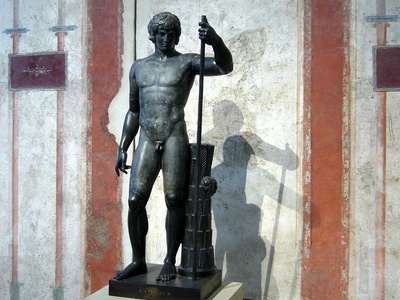
| Antinous | Antinous, companion of Emperor Hadrian | Roman-era historical; introduced by Hadrian and used historically | Northern; Jul-Sep |
| Scutum | Originally Scutum Sobiescianum (honors John III Sobieski) | Named by Johannes Hevelius, 1684 (Baroque/early modern era) | Northern; Jul-Sep |
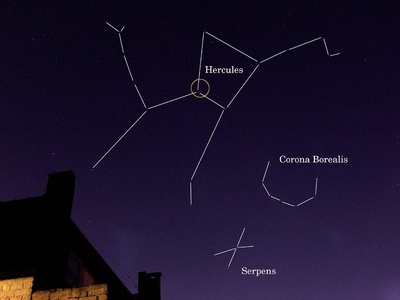
| CoronaBorealis | Ariadne, mythic lover given a crown | Greek myth; classical association with Ariadne | Northern; May-Jul |
| Ophiuchus | Asclepius, healer (serpent-bearer identified with Asclepius) | Greek myth; classical (often identified with Asclepius) | Northern; Jun-Sep |
| Auriga | Erichthonius (or named charioteer in myth) | Greek myth; classical association often links Auriga to Erichthonius | Northern; Dec-Feb |
| Lyra | Orpheus’s lyre (associated with Orpheus) | Greek myth; classical association with Orpheus | Northern; Jun-Aug |
| Bootes | Arcas (often identified as the herdsman Arcas) | Greek myth; classical sources often equate Bootes with Arcas | Northern; Apr-Jun |
Images and Descriptions
Andromeda
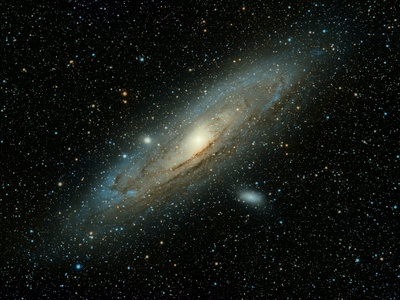
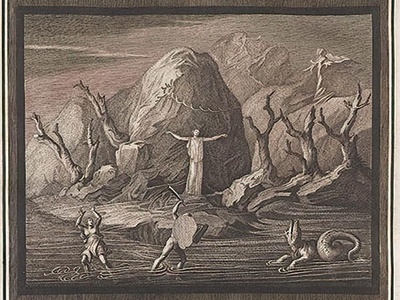
Andromeda is the chained princess of Greek myth. Visible in northern autumn, it hosts the Andromeda Galaxy (M31), the nearest large galaxy visible to the naked eye — mythic origin with a famous deep-sky visitor.
Perseus
Perseus is the hero who rescued Andromeda. Best in autumn, it contains Algol, the famous eclipsing “demon” star, and the Perseid meteor stream’s radiant lies nearby — clearly mythic with a notable variable star.

Cassiopeia
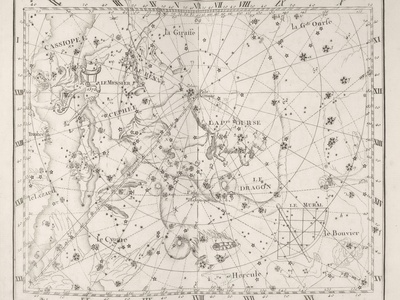
Cassiopeia is the W-shaped queen of Greek myth. Easily seen year-round in many northern latitudes, its five bright stars form a distinctive W; it’s often used to find nearby constellations and the Andromeda Galaxy.
Cepheus
Cepheus is the king married to Cassiopeia in myth. A northern constellation with the prototype Cepheid variable star Delta Cephei, it’s important to astronomy for distance measurements and is circumpolar in many northern locations.
Orion
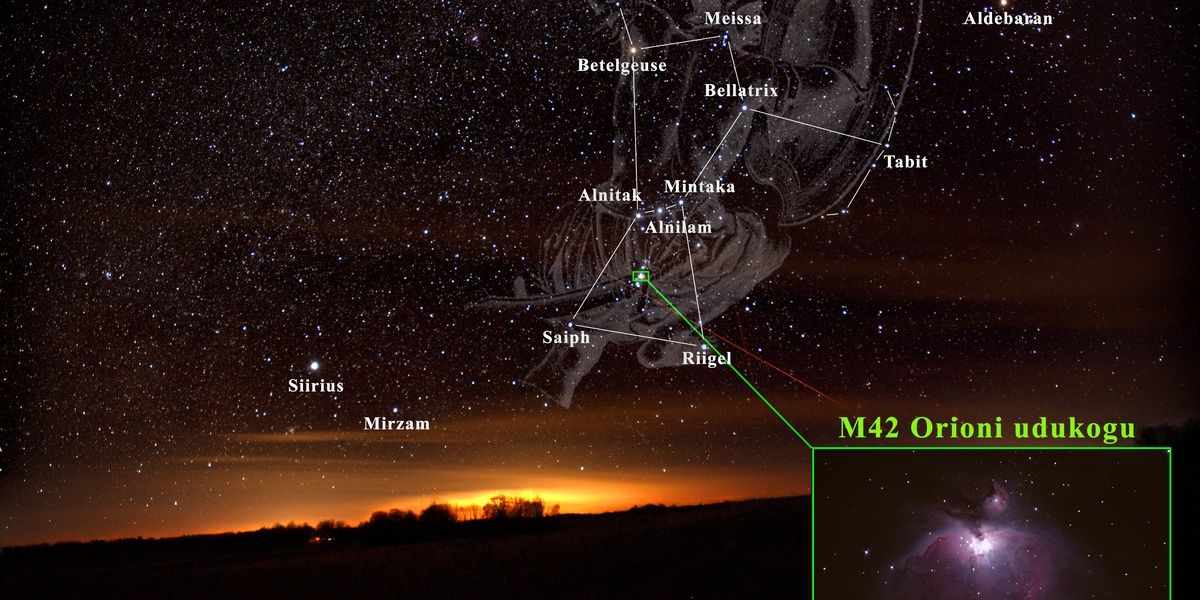
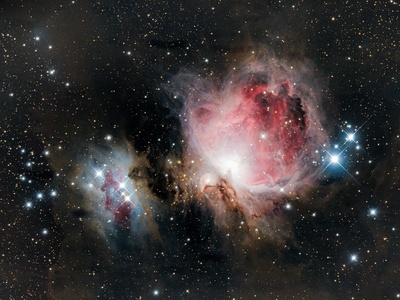
Orion is the iconic hunter of Greek myth, prominent in winter skies. It contains bright Betelgeuse and Rigel and the Orion Nebula (M42), a nearby stellar nursery easily visible to binoculars and the naked eye.

Hercules
Hercules represents the mythic hero Heracles. Best seen in summer, it’s dominated by the Keystone asterism and hosts the Great Globular Cluster M13, a spectacular target for small telescopes.
Gemini
Gemini represents the named twins Castor and Pollux from myth. Visible in winter, its two bright stars share their names and the constellation lies near the radiant of some minor meteor streams.
ComaBerenices
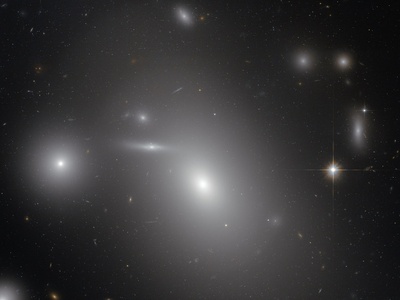
Coma Berenices commemorates Queen Berenice II’s hair. A spring constellation, it contains a noticeable open star cluster and the rich Coma galaxy cluster — historically tied to a specific Hellenistic queen.
Antinous
Antinous commemorated Hadrian’s beloved and appeared on star charts for centuries before IAU standardization removed it. Historically significant as a named human figure though no longer an official modern constellation.
Scutum
Scutum began as “Sobieski’s Shield” honoring King John III Sobieski. Best in summer, it contains the bright open cluster M11 (Wild Duck Cluster) and reflects a clear historical dedication to a named person.
CoronaBorealis
Corona Borealis is the small northern crown linked to Ariadne in myth. Seen in late spring to early summer, its bright star Alphecca forms a neat semicircle — a crown often tied to a named mythic heroine.
Ophiuchus
Ophiuchus represents the serpent-bearer commonly identified with Asclepius, the healer. Best in summer, it’s a large constellation crossing the ecliptic and contains Rasalhague, its brightest star.
Auriga
Auriga, the charioteer, is often linked to the named figure Erichthonius in ancient sources. Winter-visible, it contains bright Capella and compact open clusters like the observable M37 region.

Lyra
Lyra represents the lyre of Orpheus in classical stories. Summer-visible, it’s dominated by Vega, one of the brightest stars in the sky, and includes the bright planetary nebula M57, the Ring Nebula.
Bootes
Bootes, the herdsman, is frequently identified with the named figure Arcas. Spring-visible, it hosts the very bright star Arcturus and serves as a useful landmark for finding other constellations.
Enjoyed this article?
Get daily 10-minute PDFs about astronomy to read before bed!
Sign up for our upcoming micro-learning service where you will learn something new about space and beyond every day while winding down.