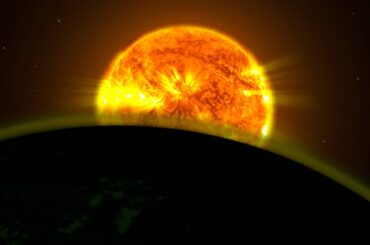
This hub highlights the 10 Most Active Volcanoes on Other Planets, summarizing each site’s activity, causes, and observations while linking to in-depth posts. Perfect for space enthusiasts and students, it explains how tidal heating, cryovolcanism, and other processes drive eruptions beyond Earth and points to detailed planet-by-planet coverage.
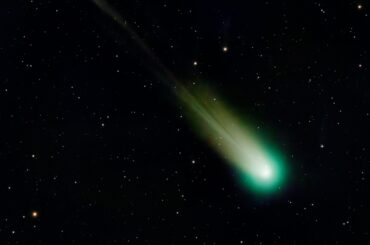
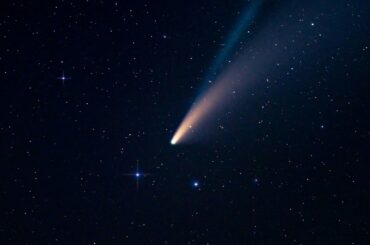
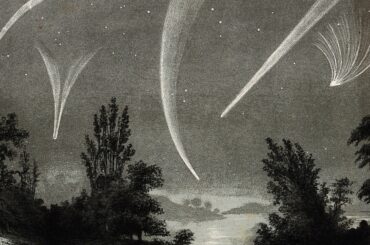
This comprehensive list catalogs 23 Great Comets observed across history, providing each comet’s year, peak visual magnitude, and orbital period. Whether you’re an amateur skywatcher or a space enthusiast, consult this guide for key visibility data, historical context, observing tips, maps of notable apparitions, and notes on visibility from different hemispheres.
Explore the 10 most important equations in astronomy, from Newton’s laws and Kepler’s laws to Einstein’s relativity and Hubble’s law. Each entry includes intuitive explanations, real-world examples, and links to dedicated posts for deeper study—perfect for students, hobbyists, and educators seeking a clear guide to the math of the cosmos.
Explore the 10 Most Reflective Objects in the Solar System, a ranked hub that explains which moons, rings, and bodies reflect the most sunlight and why. This guide links to detailed pages on each object’s albedo, surface features, and images—perfect for curious readers, students, and space enthusiasts wanting clear facts and visuals.
This comprehensive guide lists 12 Observatories in Tennessee, from university research facilities to public stargazing sites. Each entry includes city, coordinates, and telescope & access details to help visitors, amateur astronomers, and educators find the best places to observe the night sky.
This guide explains 11 key differences between a star and a planet—from formation, mass, and composition to light emission, gravity, and orbital behavior. Use this hub to get quick comparisons and follow linked deep-dive posts for each difference with examples from the solar system and beyond.
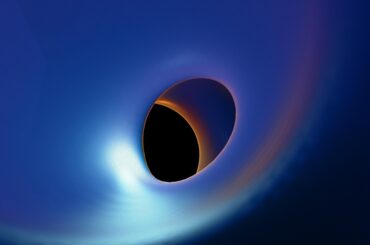
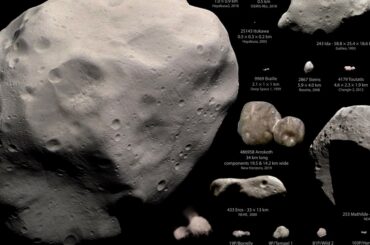
Explore the nine most dangerous objects in space — from fast-moving near-Earth asteroids and deadly radiation sources to black holes and orbital debris. This hub summarizes each threat and links to in-depth articles on origins, risks, and mitigation for readers interested in the science and real-world impact of cosmic hazards.
Explore the life cycle of stars in “10 Ways Stars Are Born and Die,” a hub post linking detailed guides on stellar nurseries, protostars, main-sequence evolution, red giants, supernovae, neutron stars, white dwarfs, and black holes. This overview explains ten distinct formation and end-of-life paths with clear diagrams and links to in-depth articles — click to discover how mass and environment shape stellar fates.
Explore the complete list of 14 Mayan Constellations with probable modern star identifications and concise meanings for each glyph. This guide combines archaeological research, ethnographic records, and sky mapping to help readers understand how the ancient Maya saw and named patterns in the night sky. Ideal for students, stargazers, and anyone curious about archaeoastronomy.