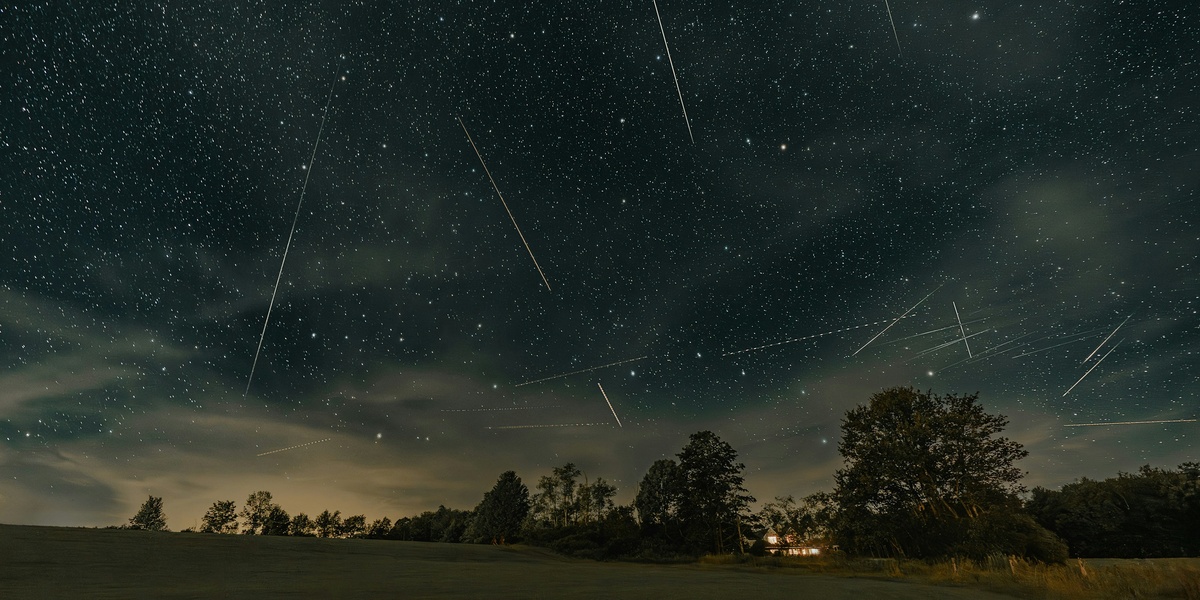
On a clear night away from city lights, meteor showers can turn routine stargazing into a memorable show. A little planning—knowing when the peak happens and where the radiant sits—helps you catch more streaks without waiting for luck.
There are 17 Types of Meteor Showers, ranging from Alpha Capricornids to Ursids. The list organizes each entry by Peak date(s),Radiant (constellation),ZHR (meteors/hr), and you’ll find these details below.
When is the best time to watch a meteor shower?
Aim for the hours after local midnight through dawn, near the shower’s peak date and during a new or thin moon. Find a dark site with the radiant high in the sky; even a short window of clear, moonless sky can yield good sightings.
What does ZHR mean and how should I use it?
ZHR (Zenithal Hourly Rate) is the ideal maximum meteors per hour under perfect dark skies with the radiant at zenith. Expect lower counts in real conditions—adjust for moonlight, light pollution, and the radiant’s altitude when planning what you’ll actually see.
Types of Meteor Showers
| Name | Peak date(s) | Radiant (constellation) | ZHR (meteors/hr) |
|---|---|---|---|
| Quadrantids | Jan 3-4 | Boötes | 120 |
| Lyrids | Apr 22 | Lyra | 18 |
| Eta Aquariids | May 5-6 | Aquarius | 55 |
| Arietids | Jun 7 | Aries | 60 |
| June Bootids | Jun 27 | Bootes | 2 |
| Alpha Capricornids | Jul 30 | Capricornus | 5 |
| Southern Delta Aquariids | Jul 30 | Aquarius | 20 |
| Perseids | Aug 12 | Perseus | 100 |
| Northern Delta Aquariids | Aug 12 | Aquarius | 10 |
| Draconids | Oct 8 | Draco | 10 |
| Orionids | Oct 21 | Orion | 20 |
| Southern Taurids | Nov 5 | Taurus | 5 |
| Northern Taurids | Nov 12 | Taurus | 5 |
| Leonids | Nov 17 | Leo | 15 |
| Geminids | Dec 13-14 | Gemini | 120 |
| Ursids | Dec 22-23 | Ursa Minor | 10 |
| Coma Berenicids | Dec 16 | Coma Berenices | 3 |
Images and Descriptions
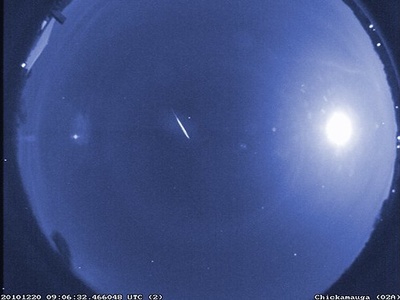
Quadrantids
Sharp, fast winter shower peaking early January. Parent body 2003 EH1 (likely an extinct comet). Best for Northern Hemisphere observers around the narrow peak; many bright meteors but short peak window and often hampered by moonlight or clouds.
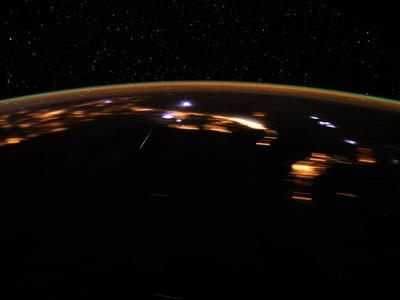
Lyrids
Spring shower produced by Comet C/1861 G1 Thatcher. Visible from both hemispheres but best in the Northern Hemisphere after midnight. Moderate rates with occasional strong outbursts; radiants high in the predawn sky make for good backyard observing.
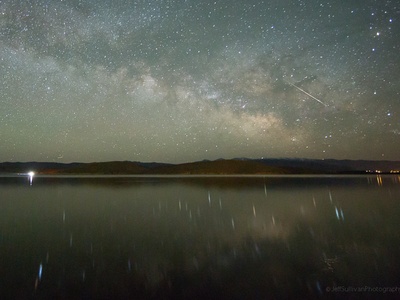
Eta Aquariids
Produced by Comet 1P/Halley, this shower favors Southern Hemisphere observers and low-latitude northern sites in pre-dawn hours. Fast meteors and many faint streaks; excellent for early-May morning watches when the radiant rises before sunrise.
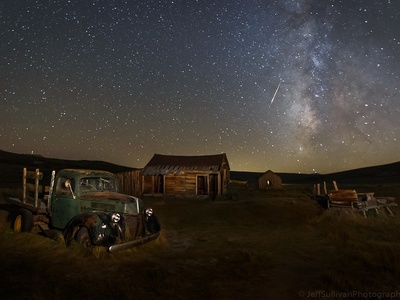
Arietids
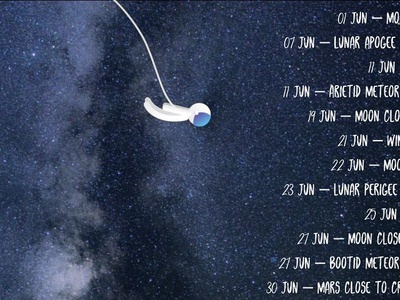
A strong daytime shower likely linked to the 96P/Machholz complex; peak is mostly daylight so optical observing is limited. Best detected by radio/forward-scatter techniques; when visible at dawn it offers many fast meteors, favoring Northern Hemisphere observers.
June Bootids
Variable, sometimes active shower associated with Comet 7P/Pons–Winnecke. Northern Hemisphere observers can see occasional enhanced activity; most years rates are low but rare outbursts have produced rich displays in the past.
Alpha Capricornids
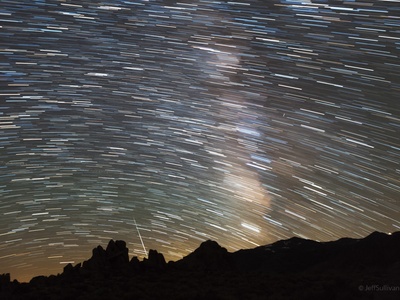
Known for slow, often chunky fireballs produced by parent 169P/NEAT (a low-activity comet/asteroid). Best seen from both hemispheres in late July; low hourly rates but memorable bright, slow meteors and long-lasting trains when conditions align.
Southern Delta Aquariids
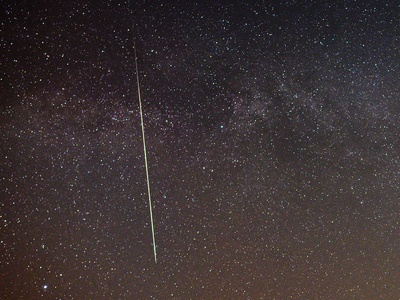
Broad, steady summer shower strongest in the Southern Hemisphere and low southern latitudes. Parent body uncertain; active for weeks with a long plateau around late July, offering many faint to moderate-speed meteors under dark skies.
Perseids
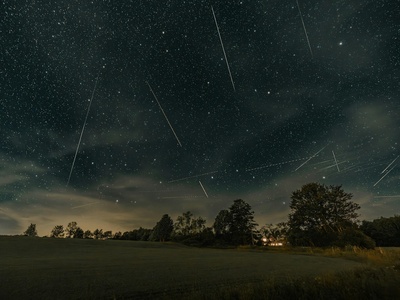
One of the best summer showers, produced by Comet 109P/Swift–Tuttle. Excellent for Northern Hemisphere observers in mid-August with many bright, fast meteors and persistent trains; wide activity window and reliable annual peaks make it a public favorite.

Northern Delta Aquariids
Weaker companion to the Southern Delta Aquariids, seen best from the Northern Hemisphere. Parent uncertain. Long activity period with lower rates; look after midnight when the radiant climbs higher for more visible streaks across summer skies.
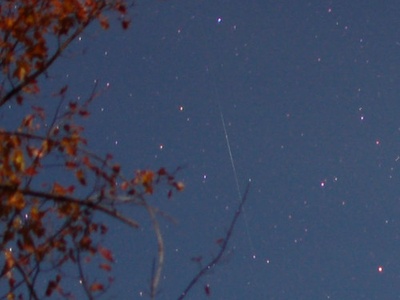
Draconids
Associated with Comet 21P/Giacobini–Zinner, this shower is famed for rare, dramatic outbursts. Best for Northern Hemisphere observers early evening in early October with slow meteors; typical years are modest, but occasional storms have produced thousands per hour historically.
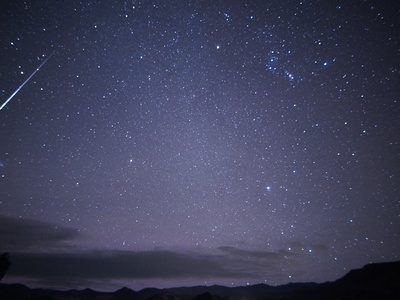
Orionids
Another Halley-family shower (Comet 1P/Halley) producing swift meteors that appear from Orion. Best seen from both hemispheres during pre-dawn hours in late October; enjoyable rates and frequent bright meteors make it a good autumn target.
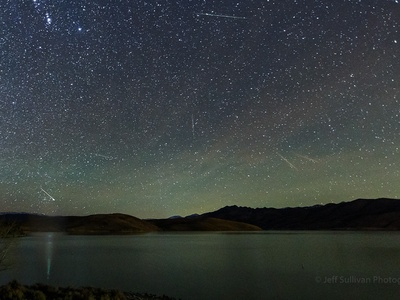
Southern Taurids
Part of the long Taurid complex linked to Comet 2P/Encke. Low hourly counts but many slow, bright fireballs and prolonged activity from September through December; better for Southern Hemisphere late-night observers or wide-field fireball hunters.
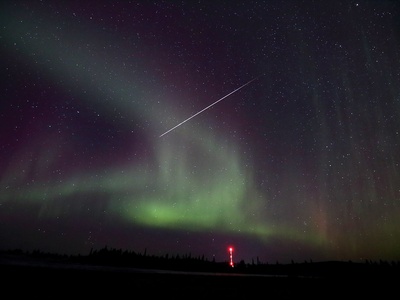
Northern Taurids
The northern branch of the Taurid complex, also from 2P/Encke, peaks later in November. Low rates but notable for occasional fireballs; wide activity window means sporadic sightings over many nights for both hemispheres, often favoring late autumn skies.
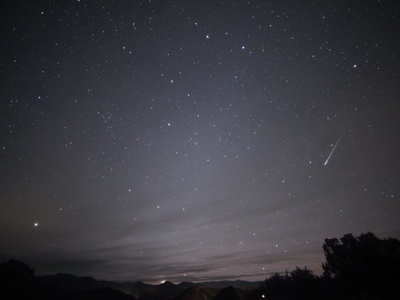
Leonids
Produced by Comet 55P/Tempel–Tuttle, Leonids can be spectacular during predicted storm years on a ~33-year cycle. Typical years bring a modest display visible from both hemispheres in mid-November; fast meteors with frequent persistent trains.
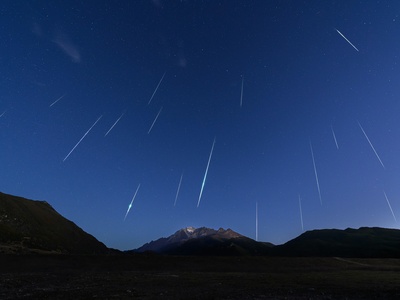
Geminids
One of the year’s strongest and most reliable showers, produced by the rocky object 3200 Phaethon (asteroid-like parent). Excellent for Northern Hemisphere winter nights but visible worldwide; many slow, bright meteors and abundant fireballs under dark, moonless skies.

Ursids
Small winter shower linked to Comet 8P/Tuttle, best seen in the Northern Hemisphere around late December. Short activity period with modest rates, but occasional enhancements have produced brief, brighter displays near the date of peak.
Coma Berenicids
A minor, late-year shower with a compact radiant in Coma Berenices. Parent body is uncertain or poorly constrained. Best for Northern Hemisphere observers under dark skies; low typical rates but sometimes produces notable bright meteors.
Enjoyed this article?
Get daily 10-minute PDFs about astronomy to read before bed!
Sign up for our upcoming micro-learning service where you will learn something new about space and beyond every day while winding down.