
Curious which bodies in our Solar System are bigger than Earth? This post lists five objects — the Sun, Jupiter, Saturn, Uranus, and Neptune — compares their sizes and mass, and links to detailed guides so you can explore each object in depth.
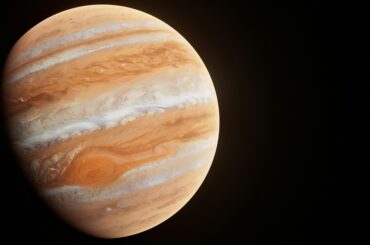
Curious which bodies in our Solar System are bigger than Earth? This post lists five objects — the Sun, Jupiter, Saturn, Uranus, and Neptune — compares their sizes and mass, and links to detailed guides so you can explore each object in depth.
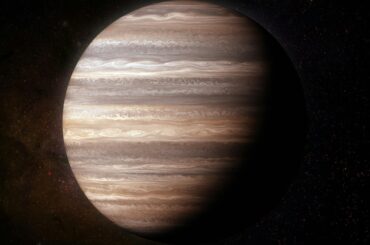
This post presents 20 Examples of Planets with a clear table of common short name, type, diameter (km), and location. Ideal for students and space enthusiasts, the complete list makes it easy to compare terrestrial worlds, gas and ice giants, and notable exoplanets at a glance.
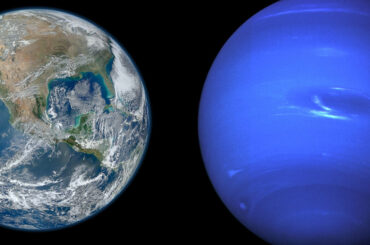
Neptune is the farthest planet in the Solar system. As such, it is one of the hardest planets to study…
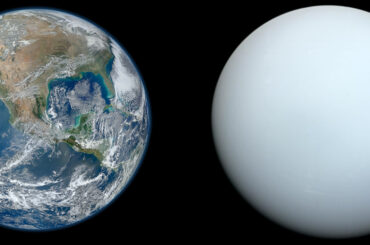
Uranus is the second planet that is farthest away from Earth in the Solar system and one of the “ice…
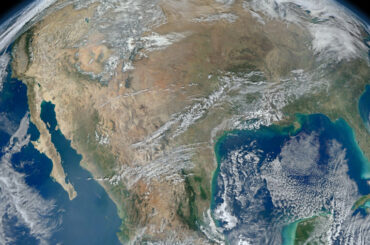
When it comes to astronomical objects, scales become so big that they can get very confusing and hard to process.…
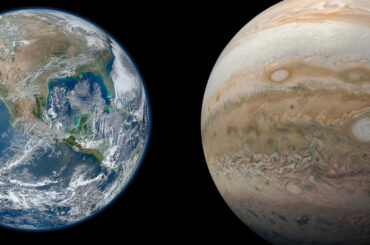
Jupiter is the biggest planet in the Solar system and is located more than 872 million kilometers (542 million miles)…
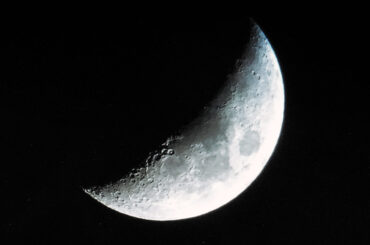
The Moon is the closest celestial body to Earth we have. As such, scientists have managed to learn a lot…
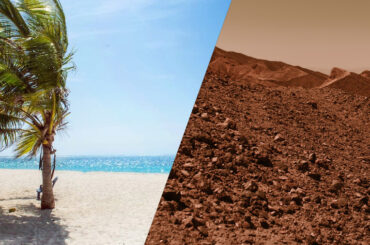
It is very likely that Mars looked similar to Earth millions of years ago. What is now a red, cold,…
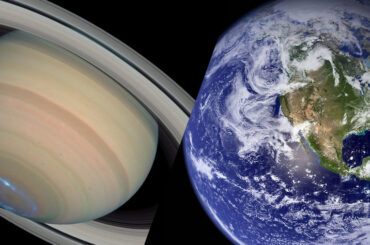
Saturn is one of the coolest planets in the Solar system. And I’m not just saying that because of how…
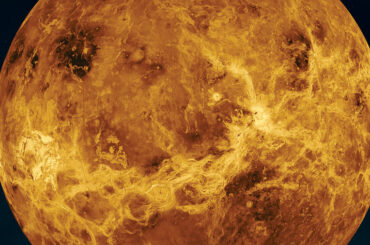
With our current technology, a trip to Venus would take more than 3 months to make. Even though it is…