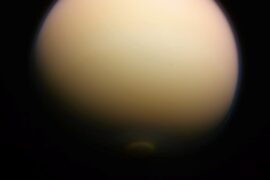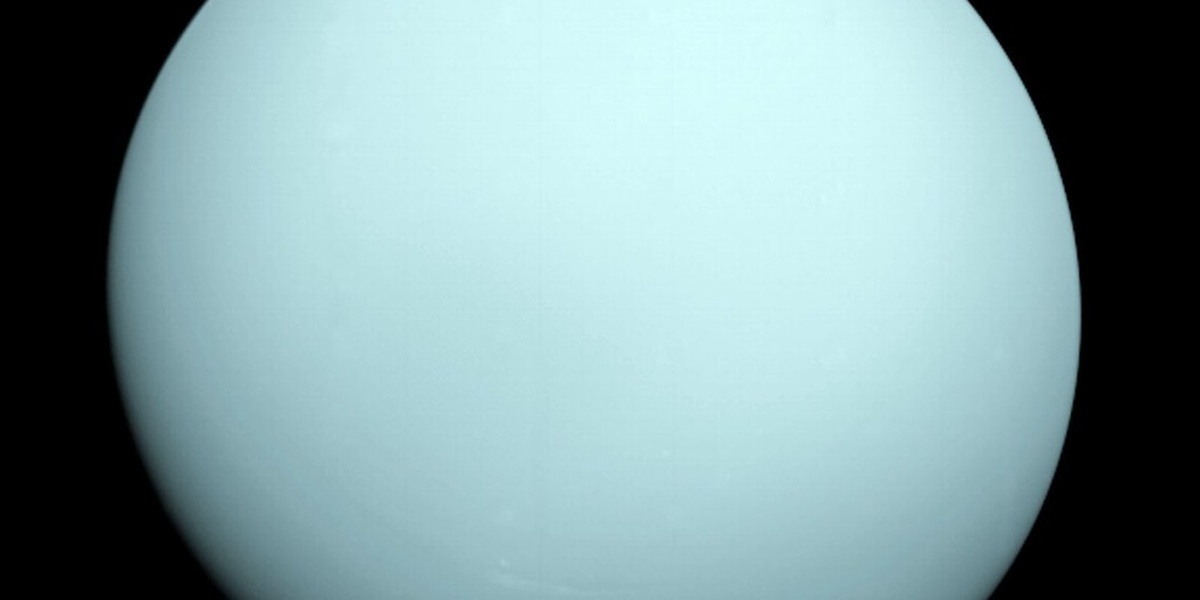
Triton, Neptune’s largest moon, sits on the cold fringe of the solar system with a nitrogen-ice surface, thin atmosphere, and signs of geologic activity. Its retrograde orbit and possible internal heat make it a compelling destination for understanding icy worlds and planetary capture.
There are 6 Space Missions to Triton, ranging from Neptune Odyssey to Voyager 2; they span flybys to proposed orbiters. For each entry you’ll find below the columns Status, Launch year (YYYY), Mission type so you can quickly compare objectives, timelines, and current mission standing.
What scientific goals drive missions to Triton?
Missions typically target Triton’s surface composition, potential subsurface ocean, cryovolcanism or plume activity, and atmosphere–magnetosphere interactions. Answers to these questions inform models of habitability, capture history, and similarities to other icy bodies like Pluto.
What practical challenges affect future missions to Triton?
Reaching Triton requires long transit times, favorable launch windows and gravity assists, reliable long-duration power (RTGs), and high mission cost; orbital insertion or close flybys add technical complexity. Those constraints mean new missions need careful planning and usually decades from concept to arrival.
Space Missions to Triton
| Name | Status | Launch year (YYYY) | Mission type |
|---|---|---|---|
| Voyager 2 | Completed | 1977 | Flyby |
| Trident | Proposed (Discovery concept; not selected) | N/A | Flyby |
| Triton Hopper | Concept | N/A | Lander/Hopper |
| Neptune Odyssey | Concept/Proposed | N/A | Orbiter/Probe |
| Neptune-Triton System Explorer (NTSE) | Concept | N/A | Orbiter/Flyby |
| Triton Orbiter (concept studies) | Concept | N/A | Orbiter |
Images and Descriptions
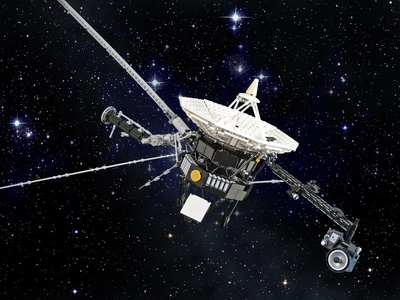
Voyager 2
NASA’s Voyager 2 flew past Triton in 1989, returning the first close images and discovering active geysers, a thin atmosphere, and retrograde orbit. This single, brief encounter remains the definitive in situ visit and shaped all later Triton science goals.

Trident
A NASA Discovery-class proposal to perform a targeted flyby of Triton to search for a subsurface ocean, characterize geology and atmosphere, and map active plumes. Proposed by a U.S. science team, it emphasized rapid, low-cost reconnaissance of Triton’s habitability.

Triton Hopper
A NASA/JPL concept for a lander that would use propulsive “hops” across Triton’s varied icy surface to sample diverse terrain, study active geology and cryovolcanism, and directly test surface composition and habitability ideas in situ over multiple sites.
Neptune Odyssey
A community flagship concept led by U.S. investigators proposing an orbiter plus atmospheric probe to study Neptune and perform repeated close encounters with Triton, characterizing its geology, interior, atmosphere and potential ocean through long-term, system-level investigations.
Neptune-Triton System Explorer (NTSE)
An ESA/European community concept to send an orbiter to Neptune with dedicated, close Triton encounters; aimed to study Triton’s surface, atmosphere, internal structure and interaction with Neptune’s magnetosphere as a system-focused European mission concept.
Triton Orbiter (concept studies)
Multiple international concept studies envision a dedicated Triton orbiter to map the surface, monitor activity, probe the atmosphere, and measure gravity for interior structure. These studies informed mission architectures for detailed, long-duration exploration of Triton’s ocean and geology.
Enjoyed this article?
Get daily 10-minute PDFs about astronomy to read before bed!
Sign up for our upcoming micro-learning service where you will learn something new about space and beyond every day while winding down.