On July 23, 2012, a massive coronal mass ejection slammed into a spacecraft sitting near Earth’s orbit. The blast missed Earth by about nine days.
That close call is a useful picture: a Carrington-class solar storm hitting today could knock out satellites, GPS, and power grids across continents. Estimates suggest the economic hit from a very large geomagnetic storm could reach up to $2 trillion in some models.
Humanity has skirted disaster in space more times than most people realize. This piece looks at 10 near-catastrophic incidents—natural and human-made—and what they taught us about fragility, systems, and response. The examples are grouped into three categories: natural hazards, human spaceflight emergencies, and geopolitical/orbital risks.
Along the way you’ll read about close calls from space, near-miss space incidents, and a few space events that almost happened. Studying them shows why better detection, resilient infrastructure, and calm human judgment matter.
Natural hazards: asteroids and solar storms
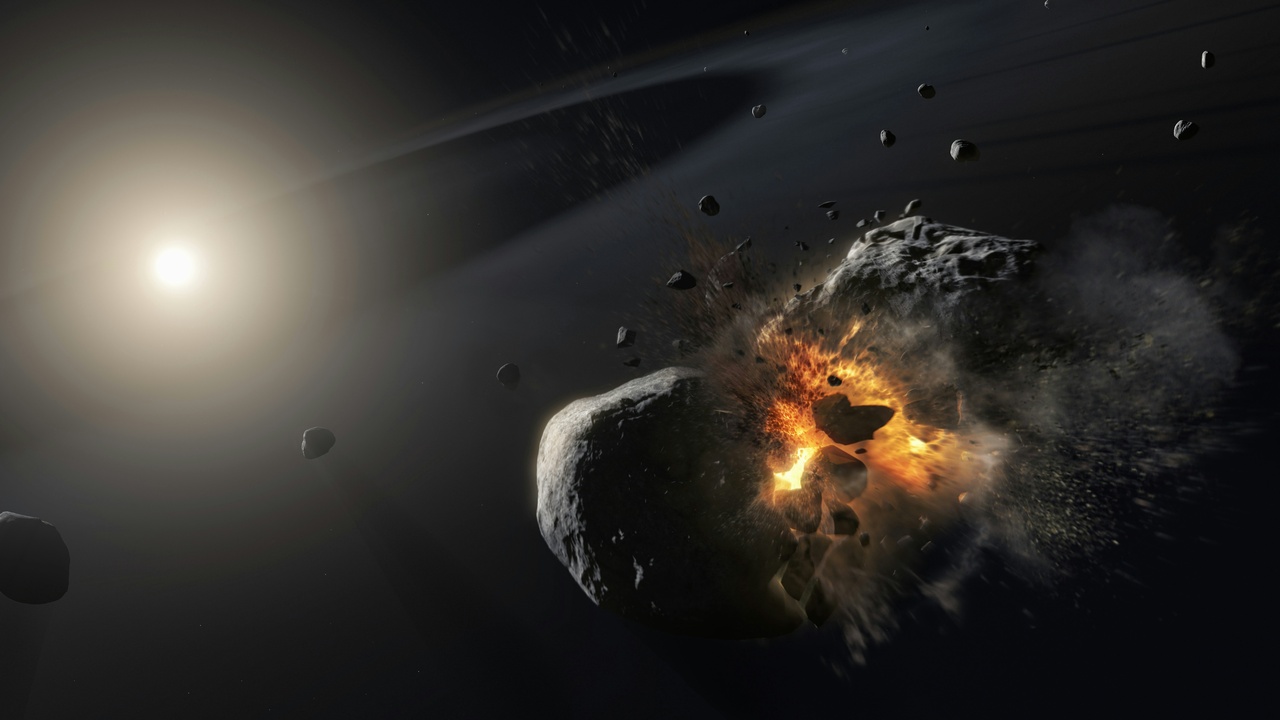
Natural space hazards—asteroids and solar storms—pose systemic risks because they can damage satellites, disrupt power grids, endanger astronauts, and interrupt aviation. The Carrington Event of 1859 is the classic historical example of what a powerful solar storm can do.
Detection and forecasting have improved thanks to telescopes, radar, and space-based monitors like NASA and NOAA systems, but observational gaps remain, especially for smaller or fast-moving objects. Near-Earth object close approaches happen regularly; large ones are rare but consequential.
Recent spacecraft—such as the STEREO-A observatory—have helped measure big coronal mass ejections and provide early warning. The three short case studies below show how close calls from nature can still threaten modern life and exploration.
1. Apophis: the 2004 asteroid that briefly looked like a real impact threat
Apophis was discovered in 2004 and initially carried a non-negligible impact probability for future approaches. Early orbit solutions briefly gave it a non-zero chance of hitting Earth in 2029 or 2036, with early publicized odds sometimes reported near 1-in-37 before more data arrived.
Follow-up optical and radar observations from multiple telescopes refined Apophis’ orbit and removed the impact risk for the foreseeable future. Those radar tracks made the difference between alarm and assurance.
Had a ~370‑meter object like Apophis struck, the result would range from city-scale devastation to broader regional damage depending on impact speed and angle. Apophis also spurred investment: NASA’s Planetary Defense Coordination Office expanded observations and planning, and the 2029 close approach will be a once-in-a-lifetime science opportunity.
2. The July 23, 2012 solar storm that missed Earth by days
On July 23, 2012, a Carrington-class coronal mass ejection struck the STEREO-A spacecraft instead of Earth, passing Earth’s orbit about nine days before the planet would have been in the same spot.
STEREO-A recorded peak solar-wind pressures and magnetic fields consistent with an extremely powerful CME. Analysts and utilities studies estimate a direct hit on modern infrastructure could cause multi-billion to multi-trillion-dollar damage to power grids, satellites, and communications.
Operational lessons are clear: better forecasting (NOAA/SWPC and related centers), grid hardening, and satellite resilience reduce risk. The event also shows why continued solar monitoring from multiple spacecraft matters for timely alerts and mitigation.
3. The August 1972 solar particle event that would have been lethal on the Moon
An intense solar energetic particle event struck in August 1972, right between Apollo missions. Scientific reconstructions show the fluence and dose rates would likely have been lethal to astronauts exposed on the lunar surface in standard spacesuits.
Had an Apollo surface EVA occurred during the peak, astronauts would have faced very high radiation doses. That near-miss changed mission planning: timing activities to avoid solar maximums, adding contingency shelters, and improving forecasting for SEPs.
Today the same concern drives Artemis-era planning: crewed deep-space missions now include dedicated storm shelters and operational rules to protect astronauts from sudden particle events.
Human spaceflight emergencies: missions that almost became disasters
Human spaceflight operates on tight margins. Complex systems and human judgment combine to create both risk and resilience. From the 1960s through the 1990s, several incidents show how small failures or smart choices turned potential disasters into survivable crises.
Mission control procedures, crew improvisation, and international cooperation often made the difference. The stories below highlight technical failures, life-saving improvisation, and policy lessons for future crewed missions.
4. Apollo 11’s landing alarms nearly aborted humanity’s first Moon touchdown
During the final minutes of the July 20, 1969 lunar descent, the Apollo 11 guidance computer threw 1201 and 1202 program alarms that threatened to abort the landing.
The alarms indicated the computer was overloaded by low-priority tasks, in part because the rendezvous radar was feeding extra data. Guidance officer Glynn Lunney and the team judged the alarms safe to ignore and advised continuing.
Neil Armstrong then took partial manual control and flew to a safer touchdown zone with only seconds of fuel remaining. The episode shows how human judgment and robust software safeguards together can save a mission.
5. Apollo 13: an explosion in deep space and the improvisation that saved three lives
On April 13, 1970, oxygen tank number 2 ruptured aboard Apollo 13, crippling the service module and turning the flight into a fight for survival.
The crew—Jim Lovell, Jack Swigert, and Fred Haise—used the lunar module as a lifeboat. Ground teams improvised power-down procedures and a CO2 scrubber workaround to keep carbon dioxide levels survivable during the return, which concluded safely on April 17.
Apollo 13 taught hard lessons about redundancy, testing, and training, and it demonstrated how calm, systematic problem-solving on the ground can save lives in space.
6. Skylab’s uncontrolled reentry in 1979 and debris over Australia
Skylab re-entered the atmosphere uncontrolled on July 11, 1979, scattering debris across parts of Western Australia. No fatalities occurred, but pieces landed near towns and startled many residents.
The event highlighted risks from large decommissioned spacecraft and pushed governments to plan controlled deorbits for big structures. Later programs (including Mir and, later, ISS end-of-life planning) reflect that lesson.
Skylab remains a reminder that end-of-life planning and international coordination reduce hazards to people and property on the ground.
7. The 1997 Progress docking collision that nearly crippled Mir
In June 1997 a Progress cargo vehicle collided with the Russian Mir space station during a manual docking test, puncturing the Spektr module and causing depressurization and power loss.
The crew sealed off the Spektr module to stop the leak and worked with ground teams to reconfigure power systems after losing solar-array output. That damage forced extended operations and taught hard lessons about docking procedures and manual piloting risks.
The incident underlined the need for clear protocols, robust safeguards, and careful testing during complex docking maneuvers.
Geopolitical and orbital risks: alarms, rockets, and debris
Space operations sit at the intersection of technology and national security. Misinterpretation, false alarms, launches, and anti-satellite tests can escalate into crises or create long-lasting hazards in orbit.
Early-warning systems and launch transparency matter because false positives can trigger retaliatory steps, while destructive tests can create durable debris that threatens everyone’s satellites. The three case studies below show how close calls in this realm can ripple widely.
8. Stanislav Petrov and the 1983 false nuclear-warning incident
On September 26, 1983, Soviet early-warning satellites falsely reported incoming U.S. missiles. Duty officer Stanislav Petrov judged the alarms to be false and did not relay an order to retaliate.
Petrov’s reasoning rested on oddities: only a single satellite showed the launch and ground-based radar did not corroborate. Cold War tensions were high after NATO exercises and the KAL 007 shootdown earlier that year.
His decision averted a potential retaliatory strike. The episode emphasizes the fragility of automated systems and the vital role of human judgment. Petrov later received recognition for preventing catastrophe.
9. The 1995 Norwegian rocket incident that briefly alarmed Russia
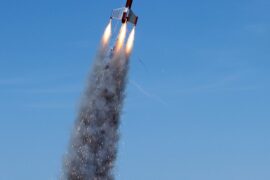
On January 25, 1995, a Norwegian Black Brant XII scientific rocket launched from Andøya to study the upper atmosphere. Russian early-warning centers briefly interpreted the trajectory as possibly masking a missile attack.
Russian forces moved to heightened alert before cooler judgments and diplomatic checks stood the alert down. The incident led to improved international notification practices for scientific launches.
The diplomatic lesson was simple: advance notice and transparency about launches reduce the risk of dangerous misinterpretation during tense times.
10. The 2007 Chinese anti-satellite test that created a dangerous debris cloud
On January 11, 2007, China destroyed its own weather satellite, Fengyun-1C, with a kinetic interceptor. The strike generated thousands of trackable fragments and many more small pieces.
The test produced one of the largest debris clouds in low Earth orbit and significantly raised collision risk for other satellites. Debris from Fengyun-1C remains a hazard today and contributed to renewed concern about a Kessler cascade scenario.
That event made clear why norms, restraint, and robust debris mitigation policies are essential for preserving the shared orbital commons.
Summary
- Natural threats and human actions have both produced narrow escapes; our infrastructure and exploration plans remain vulnerable.
- Timely detection, redundancy, and calm human judgment—on the ground and in orbit—have prevented several disasters.
- International transparency and norms for launches, anti-satellite activities, and debris mitigation are essential to protect shared space assets.
- Investment in planetary defense, mission safety, and grid resilience will reduce future risk and speed response when incidents occur.
- These space events that almost happened show that better monitoring, cooperation, and preparedness are not optional—they’re necessary.
Enjoyed this article?
Get daily 10-minute PDFs about astronomy to read before bed!
Sign up for our upcoming micro-learning service where you will learn something new about space and beyond every day while winding down.