TL;DR
“Recent comets” can mean two different things: comets newly discovered by astronomers, and comets that are actually worth looking for in the sky right now. Most people searching this term want the second one.
The tricky part is that comets are moody little snowballs. They can brighten fast, fade just as fast, or show up in one hemisphere and stay invisible from the other. A comet that makes headlines one week can be a faint smudge the next.
For the best odds, look for:
- comets with magnitudes around 8 or brighter
- targets well placed in twilight or dark sky conditions
- objects listed in current ephemerides from trusted sources like the Minor Planet Center and NASA/JPL
If you want the short version: check a current sky chart before heading out, use binoculars first, and don’t expect comet photos to match what your eyes see. Cameras cheat. The universe does too.
Table of contents
- What “recent comets” actually means
- Recent comets to pay attention to
- How to spot a comet without losing your patience
- Why comet brightness changes so fast
- Best tools for tracking comets
- Summary
What “recent comets” actually means
The phrase is annoyingly broad. In astronomy circles, it can mean a few different things:
- Newly discovered comets — fresh additions to the catalog, often spotted by survey telescopes.
- Recently active comets — objects that have started brightening as they move closer to the Sun.
- Recently visible comets — the ones amateurs can realistically observe this month.
For most readers, the useful category is the third one. A comet can be “recent” in the news and still be too faint, too low in the sky, or simply placed badly for your location.
That’s why comet lists age badly. A good roundup needs to be updated constantly, because a comet’s brightness estimate can shift by multiple magnitudes. And in comet-speak, that’s the difference between “easy in binoculars” and “good luck, buddy.”
If you want to verify current comet status, the Minor Planet Center’s comet listings and JPL’s Small-Body Database are the places to start.
Recent comets to pay attention to
Rather than pretend a static list can stay accurate for long, the smarter move is to look at the types of comets that deserve attention right now and how to judge them.
Bright comets near the Sun
These are the comets that tend to get headlines. They’re close enough to the Sun to brighten, but that also means they can be hard to see because of twilight glare.
What matters:
- elongation: how far from the Sun the comet appears in the sky
- hemisphere: some comets favor the northern sky, others the southern
- altitude after sunset or before dawn: low altitude means more atmosphere and more extinction
A comet in bright twilight can be technically visible and practically useless. That’s not failure. That’s just astronomy.
Fainter binocular comets
These are the bread-and-butter targets for amateur observers. They’re not headline material, but they’re realistic.
A decent binocular comet:
- usually sits around magnitude 7 to 10
- may show a diffuse coma with a slight central brightening
- often looks better in binoculars than in a telescope, because a wider field helps you see the whole thing
Binoculars are underrated here. A 7×50 or 10×50 pair can show a surprising amount of comet structure if the sky is dark enough. Under suburban light pollution, the same comet can collapse into a fuzzy apology.
Recently discovered long-period comets
These are the ones that generate the most excitement for skywatchers because they may never have visited the inner solar system before, at least not on human timescales.
They’re also the most unpredictable. Some brighten gradually. Some don’t. Some develop tails; some never get impressive. Comet observers have been humbled by this for centuries, which is a healthy tradition.
For newly reported objects, check the IAU Minor Planet Center and the Comet Observation Database for recent observing reports. Those reports often tell you more than a bare catalog entry ever will.
For a historical perspective on the brightest and most famous comets, see Great Comets: The Complete List. If you’re curious about rare long-term cosmic cycles, explore 10 Cosmic Events That Happen Every 100 Years.
How to spot a comet without losing your patience
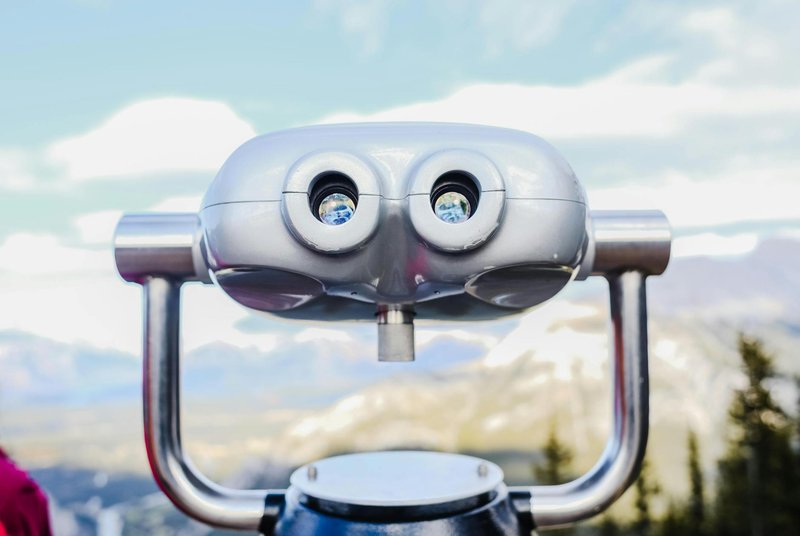
Start with the obvious part: don’t go comet hunting from a bright parking lot and expect glory.
Here’s the practical version:
-
Use a current star chart or planetarium app.
Comets drift against the background stars from night to night. Yesterday’s position is already stale. -
Find the right time of day.
Many comets are best in the hour or two after sunset or before dawn, when the sky is dark but the comet is still above the horizon. -
Scan with binoculars first.
A comet often appears as a soft, round glow with no sharp edge. Sometimes the center is slightly brighter. Sometimes the tail is obvious only in photos. -
Watch for motion over a few nights.
A fuzzy patch that shifts position relative to nearby stars is the giveaway. -
Give yourself a dark sky.
Light pollution murders contrast. Moonlight does too. A comet that’s easy from a rural site can vanish completely under a full Moon.
If you’re serious about tracking one, use ephemeris data from NASA/JPL Horizons or a similar service. It gives you exact coordinates, magnitude estimates, and observing geometry.
Why comet brightness changes so fast
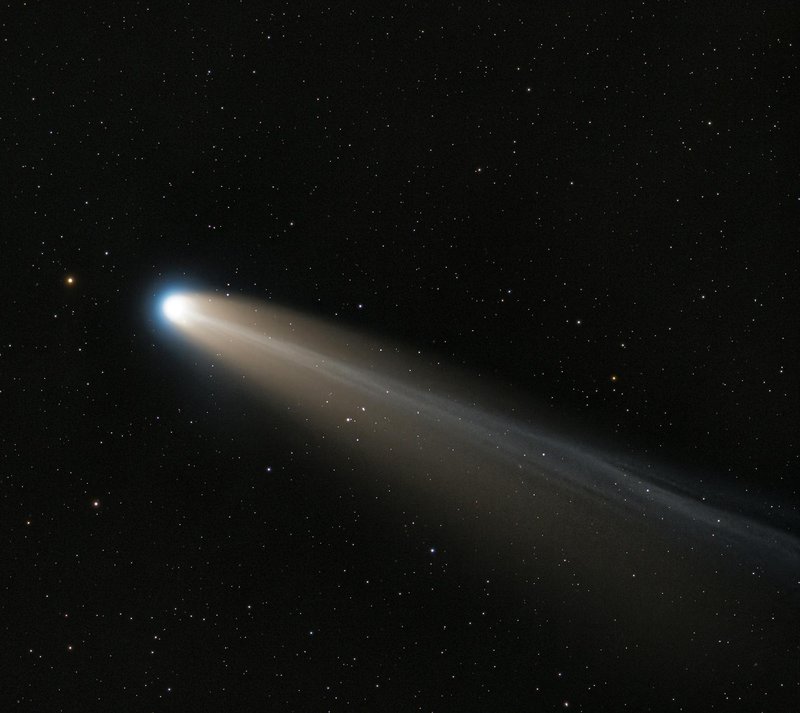
Comets are not little planets. They’re messy ice-and-dust bundles that wake up as they heat up near the Sun.
Brightness changes because:
- volatile ices begin to sublimate
- dust gets pushed into a coma and tail
- the viewing angle changes
- the comet may fragment, flare, or stall
That last part is why comet forecasts are shaky. A comet’s predicted magnitude is often just an educated guess built from past behavior. Some comets underperform by a lot. Others surprise everyone and flare brighter than expected.
Astronomy journals and observatory reports often discuss these brightness swings in detail. For broader context on comet composition and activity, NASA’s overview of comets and their structure is a good reference.
There’s a reason comet watchers stay humble. The object itself doesn’t care about your plans.
Best tools for tracking comets
You don’t need an observatory. You do need the right information.
Useful tools include:
- Minor Planet Center for official comet designations and orbital elements
- NASA/JPL Horizons for position data and observing geometry
- Comet Observation Database (COBS) for recent brightness reports
- SkySafari, Stellarium, or similar apps for finding the comet in your sky
If a comet is especially faint, recent visual reports matter more than old news coverage. A two-week-old “new comet” article may already be obsolete. That’s how fast this game moves.
One more useful habit: search for the comet’s designation, not just its nickname. Names like C/2024 G3 or 12P can be more useful than a catchy media label when you’re trying to find updated observing notes.
Summary
Recent comets fall into two buckets: newly discovered objects and comets you can actually see now. The second bucket is the one that matters to most skywatchers, and it changes fast.
The best way to follow recent comets is to use current ephemerides, check brightness reports from reliable observing databases, and start with binoculars under a dark sky. Expect comets to be unpredictable. That’s half the appeal.
If you’re patient, a little flexible, and willing to check a chart before you go outside, comet hunting can still deliver the good stuff: a faint, ghostly visitor that wasn’t there last week and won’t be there next month.
Enjoyed this article?
Get daily 10-minute PDFs about astronomy to read before bed!
Sign up for our upcoming micro-learning service where you will learn something new about space and beyond every day while winding down.