
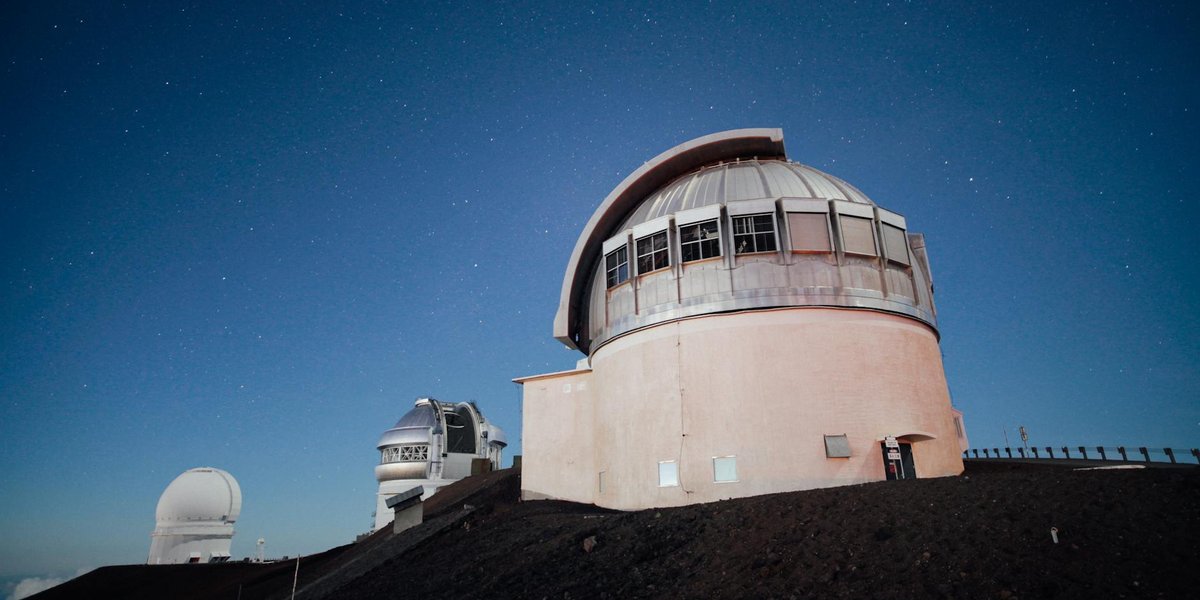
Oregon is a good state for astronomy in the same way it’s good for mushrooms: the conditions are often excellent, but you have to know where to look. The coast is cloudy. The Willamette Valley is light-polluted. But head east, gain elevation, and get away from the city glow, and the sky starts acting like it remembers what night is for.
This guide focuses on observatories in Oregon that are actually useful to visitors: places with public programs, telescope nights, educational displays, or easy access to dark skies. Some are formal observatories. Some are astronomy centers or university facilities with public outreach. And some are not observatories at all, but they’re the places people really go when they want a decent shot at seeing the Milky Way without a sodium lamp photobombing the whole thing.
Table of contents
- Quick picks
- Best observatories in Oregon
- Best Oregon stargazing spots
- How to plan a visit
- Final thoughts
Quick picks
If you only have a minute:
- Best for a real observatory visit: OMSI’s Kleenspace Observatory programs in Portland, when scheduled
- Best for hands-on astronomy outreach: The Oregon Museum of Science and Industry and its sky-events ecosystem
- Best dark-sky experience: Fremont-Winema National Forest areas and high desert sites in central and eastern Oregon
- Best for a family trip: Sunnyside or university-hosted public viewing nights, which tend to be structured and beginner-friendly
- Best serious stargazing region: Central Oregon, especially around Sisters, Prineville, Bend, and the high desert
Best observatories in Oregon
1. Oregon Museum of Science and Industry (OMSI), Portland
OMSI is the easiest astronomy stop in Oregon to recommend because it gives beginners a low-friction way into the hobby. It’s not a classic mountaintop observatory with a giant dome and a velvet-rope vibe. It’s a museum with real educational power, public programming, and a long track record of making science feel accessible instead of dusty.
The astronomy side changes with the schedule, so check OMSI’s events page before you go. Public telescope nights, planetarium shows, and special outreach events are the thing here. If you’re traveling with kids or just want a first astronomy outing that doesn’t require a flashlight, folding chair, and a small commitment ceremony, this is the safe bet.
OMSI is also handy because it gives you context. You can pair a sky event with exhibits that explain what you’re seeing instead of pretending everyone already knows the difference between a galaxy and a constellation. For visitors new to the subject, that matters.
Learn more at the OMSI official site.
2. Pine Mountain Observatory, near Bend
Pine Mountain Observatory is the closest thing Oregon has to the “classic observatory trip” fantasy for a lot of people. It sits in a dark-sky-friendly part of central Oregon, well away from the worst urban light pollution, and it’s closely tied to astronomy education and outreach.
The observatory is associated with the University of Oregon and has a strong public-facing reputation. Visits are typically tied to scheduled open houses, programs, or special events rather than casual drop-ins. That’s normal for a working observatory. Telescopes don’t love random traffic and flashlights.
What makes Pine Mountain stand out is the sky quality. Central Oregon has the advantage of elevation, dry air, and distance from major metro lighting. That combination is exactly why people drive out there for meteor showers, Milky Way photography, and just plain old sky staring. If you’ve never seen the summer Milky Way from a dark site, it hits differently. It looks like the sky has a scar.
Check the University of Oregon’s Pine Mountain Observatory information for current public access details.
3. Deschutes National Forest area programs and viewing sites
This one needs a bit of honesty: not every great astronomy stop in Oregon is a formal observatory. Some of the best are simply places with good horizon lines, low light, and enough elbow room to set up a tripod without becoming a roadside hazard.
The Deschutes National Forest and surrounding high desert areas near Bend, Sisters, and the Cascade foothills are prime territory for stargazing. You’ll find open sky, relatively low humidity, and access to roads that make sense for a night trip. For many visitors, this is better than an observatory visit because you get the actual sky, not just a scheduled presentation about it.
If you want a more structured experience, look for local astronomy club events or forest-area public programs. Some nights are better for planets, others for meteor showers, and some are just for appreciating the fact that the sky exists in layers and not all of them are visible from your driveway.
For current land-use and access information, the US Forest Service is the source to check before heading out.
4. Sunriver Nature Center & Observatory, Sunriver
Sunriver is one of Oregon’s best-known astronomy destinations for a reason. The observatory there has a public outreach focus and has long been connected with family-friendly astronomy education in central Oregon. It’s the kind of place where visitors can get a proper telescope look without needing to know every term on the menu.
This is a strong choice if you want something more organized than a DIY stargazing pullout, but less formal than a university observatory with tightly scheduled access. The surrounding area also helps. Sunriver sits in central Oregon, where the night sky tends to cooperate far more often than it does west of the Cascades.
Expect programs to vary by season. That’s astronomy life. Winter can be brutally clear and cold. Summer brings crowds and long twilight. Both have their charms.
Visit the Sunriver Nature Center & Observatory for current program schedules.
5. Eastern Oregon dark-sky communities and events
If you care more about the sky than the building, eastern Oregon deserves a spot on the list. Towns and regions far from major light sources can deliver genuinely good night-sky views, especially on moonless nights.
Places near John Day, Baker City, and the remote stretches of the state’s eastern side often have the kind of darkness that makes stargazing feel almost unfair. This is where you go for wide-field views of the Milky Way, long meteor trails, and a sky bright enough with stars that beginners start pointing at random things like they’ve just been given a new language.
Some communities and parks host astronomy events or dark-sky programs, and local astronomy clubs often know the best viewing windows better than any brochure. That local knowledge matters more than fancy optics. A good sky beats a good telescope more often than people expect.
For public land access and event updates, start with Oregon park and forest resources, then check local astronomy clubs for scheduled gatherings.
Best Oregon stargazing spots
Not every astronomy trip in Oregon should be framed around an observatory building. Sometimes the best answer is a dark turnout, a forest road, or a high-desert campground.
Here’s how the state breaks down:
- Best overall region: Central Oregon
- Best low-light-pollution areas: Eastern Oregon and remote high desert
- Best easy-access option from Portland: OMSI events or organized public viewing nights
- Best for a full astronomy weekend: Bend, Sunriver, Sisters, or Redmond
- Best for serious night photography: Dry, elevated sites with clear southern horizons
If your goal is to see actual structure in the Milky Way, avoid the moon, avoid hazy evenings, and get as far from city spill as you can manage. A darker site with a mediocre telescope will usually beat a bright suburban patio with an expensive one.
For general sky quality and light-pollution context, the International Dark-Sky Association is a useful reference.
How to plan a visit
A little planning saves a lot of disappointment. Observatory visits are often seasonal, event-based, or weather-dependent, and the sky does not care about your calendar.
Check the schedule first
Many Oregon observatories do not operate like museums with fixed daily hours. Public nights, open houses, and telescope viewings may only happen on certain weekends or during specific seasons.
Expect weather to matter
Cloud cover, smoke, and humidity can all ruin a night. Oregon has excellent astronomy regions, but not every night is a good one. Summer wildfire smoke can be a real problem in the east. Winter can be beautifully clear and miserably cold.
Bring the boring gear
A red flashlight, warm layers, water, and closed-toe shoes are the unglamorous essentials. If you’re taking kids, snacks belong on the list too. Astronomy enthusiasm drops fast when someone’s cold and hungry.
Give your eyes time
It takes about 20 to 30 minutes for night vision to settle in. That’s when the sky gets better. Don’t spoil it with white phone light unless you enjoy performing self-sabotage.
Know the difference between observatory and dark-sky site
An observatory gives you equipment, education, and often a guided experience. A dark-sky site gives you the raw sky. Both are worth doing, but they solve different problems.
Final thoughts
The best observatories in Oregon are the ones that match your goal. If you want a guided, family-friendly introduction, start with OMSI or Sunriver. If you want serious observing conditions, head toward central or eastern Oregon and look for a public program or a dark site with clear horizons. If you want to see what Oregon skies can really do, skip the assumption that an observatory building is the only point of the trip.
The state’s best astronomy experiences usually sit east of the thickest clouds, away from the brightest towns, and somewhere between a telescope dome and a stretch of road where the sky suddenly gets larger. That’s the sweet spot.
For the current schedules, public access rules, and seasonal events, always check each observatory’s official site before you drive. Sky programs change. Weather changes. The stars, annoyingly, remain excellent.
Enjoyed this article?
Get daily 10-minute PDFs about astronomy to read before bed!
Sign up for our upcoming micro-learning service where you will learn something new about space and beyond every day while winding down.