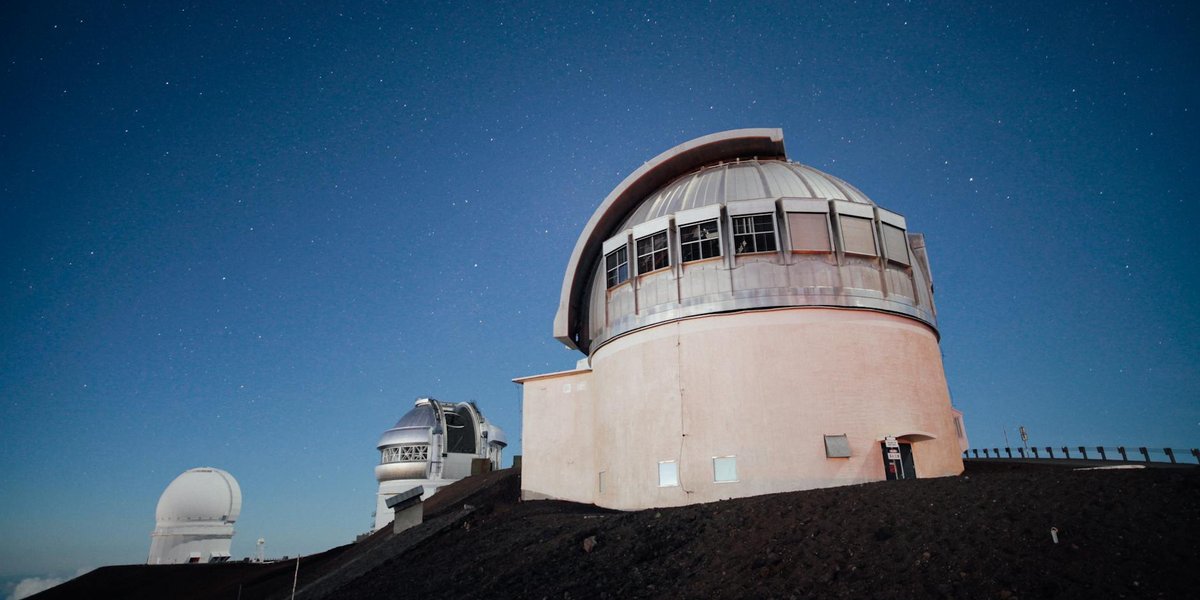
Massachusetts has a surprisingly solid astronomy scene for a small state packed with traffic, colleges, and weather that enjoys ruining plans. The trick is knowing which observatories are actually open to the public, which ones run scheduled skywatching nights, and which ones are basically research facilities with a nice dome.
Here’s the useful version: a guide to observatories in Massachusetts that covers public access, event style, and what each place is best for.
Table of contents
- TL;DR
- The best observatories in Massachusetts
- How to plan a visit
- What to expect at public astronomy nights
- Quick summary
TL;DR
If you want a place to actually go stargazing, start with Hayden Planetarium, The Whipple Observatory public programs, Vagabond Astronomical Society events, and Astronomy Association outreach nights. For a more classic observatory experience, Blue Hill Observatory and Wilder Observatory are the names to know. For families, school groups, and casual visitors, planetarium-plus-observatory combos usually give you the most reliable night out.
Massachusetts astronomy is weather-dependent, seasonal, and often event-based. Don’t assume you can just show up and peer through a telescope on a random Tuesday. The state’s best public astronomy experiences are usually tied to club nights, museum programs, or scheduled open houses.
The best observatories in Massachusetts
1. Blue Hill Observatory
Blue Hill Observatory in Milton is one of the state’s most historic observing sites, and it has the credentials to prove it. Founded in the 1880s, it’s known more for meteorology and long-term climate records than for casual drop-in telescope viewing, but it remains one of the most important scientific observatories in Massachusetts.
The setting is part of the appeal. Blue Hill sits on Great Blue Hill, so the trip feels a little more like a proper excursion than a museum stop. Public access is generally tied to scheduled tours, open houses, and educational programs rather than spontaneous visits.
This is the place for people who like astronomy with context. Not just “look at Saturn,” but “look at Saturn from a site that has been collecting data for generations.”
2. The Whipple Observatory
Harvard’s Fred Lawrence Whipple Observatory is in southern Arizona, not Massachusetts, but Harvard also has strong astronomy ties in the state through outreach and teaching programs. If you’re searching locally, the important Harvard-linked piece is the public-facing astronomy programming associated with the university and its observatory network.
For Massachusetts visitors, Harvard’s astronomy presence matters more as an educational pipeline than as a casual walk-in destination. Public lectures, campus events, and museum programming often do more for the curious visitor than the observatory itself, which is usually not set up like a community telescope park.
If you want a university-level astronomy experience in Massachusetts, Harvard is one of the big names to track.
3. Hayden Planetarium
Technically this is a planetarium, not a traditional observatory, but it belongs on any serious observatories in Massachusetts guide because it serves the same audience: people who want astronomy without needing a PhD or a clear western horizon.
Hayden’s strength is accessibility. You get guided sky interpretation, well-produced exhibits, and a low-friction way to learn the night sky before you go outdoors and try not to call Jupiter “the bright star.”
For families, students, and first-timers, planetariums are often the better first stop. A telescope is fun. A planetarium makes the telescope make sense.
4. Wilder Observatory
Wilder Observatory at Amherst College is one of the better-known academic observatories in the state. It’s a classic small-college observatory: handsome dome, educational purpose, and public programs that tend to appear around special observing nights and campus events.
That’s the important part. It’s not designed as a casual tourist attraction. It’s designed for education and astronomy outreach, which means you’ll get the most out of it if you check the schedule before heading over.
If you want a place where astronomy feels a little more hands-on and a little less theme-park, Wilder is the kind of observatory people remember.
5. Maria Mitchell Association Observatory
The Maria Mitchell Association on Nantucket is a standout because it combines history, science education, and public stargazing culture in one place. Maria Mitchell was a major figure in American astronomy, and the observatory programs tied to her legacy still carry real weight.
Nantucket is also a nice setting for sky watching. You’ve got darker skies than most mainland spots, which matters more than fancy equipment when you’re trying to see faint objects.
This is one of the best Massachusetts-area astronomy experiences for visitors who want both a destination and a story.
6. Boston University Coit Observatory
Boston University’s Coit Observatory gives city astronomy a fighting chance. Urban skies are not ideal, but public observing programs can still be worthwhile, especially when the targets are the Moon, bright planets, and double stars that don’t care much about light pollution.
That’s what makes Coit useful. It’s realistic. A city observatory isn’t pretending to be a mountaintop dark-sky site. It’s a place for astronomy education, public viewings, and making the most of what the sky is giving you on a given night.
If you live near Boston and want a simple way into the hobby, this is one of the most practical options.
7. Observatory at Wheaton College
Wheaton College’s observatory has the usual college-observatory advantages: approachable scale, educational programming, and a setup that’s more likely to support outreach than formal research alone. That usually translates into a better experience for the public, especially for students and local families.
College observatories are often underrated. They may not have giant mirrors or famous names, but they’re often where the best public astronomy nights happen because the whole point is to get people looking up.
Check event calendars before you go, since access tends to be scheduled rather than open-ended.
8. Tufts University Observatory
Tufts has long been part of the state’s astronomy-and-education landscape, and like many university observatories, its public value comes from outreach. You’re more likely to find lectures, stargazing events, and student-led observing sessions than a daily walk-in telescope counter.
That’s fine. For most visitors, the goal isn’t to own the observatory experience. It’s to have one good night with Saturn, the Moon, or a meteor shower and walk away a little less indifferent to the sky.
Tufts is a good example of how Massachusetts observatories often work: small, academic, and event-driven.
9. Amateur astronomy club observatories
Some of the best stargazing in Massachusetts happens outside the university system. Local astronomy clubs often run observatories, organize public observing nights, and host telescope viewings that are far more visitor-friendly than people expect.
These club sites are worth seeking out because they tend to be practical. The members know the sky, know the equipment, and know how to explain what you’re looking at without turning it into a lecture on mirror coatings.
Search for local groups through the Astronomical League or nearby club listings, then check which ones offer public nights. In a state with fickle weather and lots of light pollution, clubs often deliver the best actual observing experience.
How to plan a visit
Massachusetts observatories are not all open the same way. Some are public-facing with regular events. Some are academic and only open during scheduled programs. Some are more historical sites than telescope stops.
A few practical things matter:
Check the event calendar first
Most observatories in Massachusetts operate on a schedule. Public nights, open houses, and special events are common; walk-in access is not. If you show up unannounced, you may find locked doors and a very silent dome.
Watch the weather
Astronomy is rude to planners. Clouds, humidity, and coastal haze can wipe out a session even when the rest of your day was fine. Many observatory programs cancel or reschedule for poor conditions.
For sky conditions, the National Weather Service and local cloud cover forecasts are more useful than general weather apps that think “partly cloudy” means “basically clear.”
Expect light pollution in the cities
Boston-area sites can still be worth visiting, but the observing targets shift. Bright planets, the Moon, and public education programs work better than deep-sky hunting from the middle of a city.
If you want darker skies, look farther from the urban core or toward island and rural locations.
Bring patience
A good public telescope night often involves a line. People want their turn at Saturn. Kids want to look again. Someone will ask if the Moon is “actually that close.” It’s part of the charm.
What to expect at public astronomy nights
Public observatory nights in Massachusetts usually follow one of three patterns:
-
Telescope viewing only
Quick and simple. You look through the scope, get a short explanation, and move on. -
Talk plus viewing
The better format for most visitors. You get a short lecture, then go outside to observe. -
Open house or festival style
More people, more stations, more hands-on activities. Best for families and first-timers.
The targets depend on season and time of year. In winter, you may get crisp views of bright planets and the Moon. In summer, you’re more likely to see globular clusters, double stars, and late-evening planets. For a solid overview of what’s visible and why, NASA’s Sky Events calendar is a useful reference before you head out.
Quick summary
The best observatories in Massachusetts are the ones that match your goal.
- For history and serious science background: Blue Hill Observatory
- For a classic college-observatory feel: Wilder Observatory, Tufts, Wheaton
- For a family-friendly astronomy intro: Hayden Planetarium
- For a public stargazing experience with local character: Maria Mitchell Association Observatory
- For the best odds of a welcoming observing night: astronomy clubs and outreach programs
Massachusetts isn’t a state where you casually wander into an observatory and expect magic on demand. The good stuff is scheduled, seasonal, and often a little weather-beaten. That’s part of the appeal. When the sky finally cooperates, the whole thing feels earned.
If you plan ahead, pick the right site, and don’t mind a little cloud anxiety, the state has plenty to offer anyone who likes looking up.
Enjoyed this article?
Get daily 10-minute PDFs about astronomy to read before bed!
Sign up for our upcoming micro-learning service where you will learn something new about space and beyond every day while winding down.