The Moon remains our closest laboratory in space, a place where curiosity, politics, and technology have met for more than half a century. Missions there have tested navigation, geology, and life‑support systems while mapping environments that could support future exploration.
There are 38 NASA Missions to the Moon, ranging from ARTEMIS,Surveyor 7 across early probes, orbiters, landers, and recent initiatives. Each entry is organized with the columns Launch year (YYYY),Mission type,Outcome so you can quickly review chronology, purpose, and results — details you’ll find below.
Does this list include both crewed and uncrewed lunar missions?
Yes — the list covers the full spectrum of U.S. lunar efforts, including crewed programs, robotic orbiters, landers, impactors, and science payloads. Entries focus on mission identity, the year they launched, the mission type, and a concise outcome to make comparisons straightforward.
How are mission outcomes classified and how current is the data?
Outcomes are summarized simply (e.g., success, partial success, failure) based on mission reports and historical records; where results were revised later, notes reflect that. The table is intended as a concise reference and is updated to reflect widely accepted sources and official NASA documentation.
Nasa Missions to the Moon
| Name | Launch year (YYYY) | Mission type | Outcome |
|---|---|---|---|
| Pioneer 4 | 1959 | flyby | Successful lunar flyby, returned engineering data |
| Ranger 3 | 1962 | impactor | Missed Moon; limited data returned |
| Ranger 4 | 1962 | impactor | Impacted Moon; no data returned |
| Ranger 5 | 1962 | impactor | Failed; missed Moon due to spacecraft failure |
| Ranger 6 | 1964 | impactor | Impacted Moon; cameras failed to operate |
| Ranger 7 | 1964 | impactor | Successful impact, returned first close-up images |
| Ranger 8 | 1965 | impactor | Successful impact, returned many images |
| Ranger 9 | 1965 | impactor | Successful impact, broadcast live images |
| Lunar Orbiter 1 | 1966 | orbiter | Successful lunar mapping, returned imaging data |
| Lunar Orbiter 2 | 1966 | orbiter | Successful, high‑resolution maps of landing sites |
| Lunar Orbiter 3 | 1967 | orbiter | Successful, extended mapping and science observations |
| Lunar Orbiter 4 | 1967 | orbiter | Successful, global imaging for science and cartography |
| Lunar Orbiter 5 | 1967 | orbiter | Successful, refined maps and detailed photos |
| Surveyor 1 | 1966 | lander | Successful soft landing and surface data returned |
| Surveyor 2 | 1966 | lander | Failed; lost before landing |
| Surveyor 3 | 1967 | lander | Successful landing; later inspected by Apollo 12 |
| Surveyor 4 | 1967 | lander | Crashed during descent, mission failed |
| Surveyor 5 | 1967 | lander | Successful landing and in‑situ experiments |
| Surveyor 6 | 1967 | lander | Successful landing; performed a short hop on surface |
| Surveyor 7 | 1968 | lander | Successful landing and extended science operations |
| Apollo 8 | 1968 | crewed | Successful crewed lunar orbit, no landing |
| Apollo 10 | 1969 | crewed | Successful dress rehearsal; no landing; lunar orbiters |
| Apollo 11 | 1969 | crewed | Successful landing; first humans on Moon |
| Apollo 12 | 1969 | crewed | Successful landing; precision touchdown and sample return |
| Apollo 13 | 1970 | crewed | Failed landing; crew returned safely after in‑flight accident |
| Apollo 14 | 1971 | crewed | Successful landing and extended geology work |
| Apollo 15 | 1971 | crewed | Successful landing with rover; extended surface exploration |
| Apollo 16 | 1972 | crewed | Successful landing and scientific investigations |
| Apollo 17 | 1972 | crewed | Successful landing; last Apollo lunar mission |
| Clementine | 1994 | orbiter | Successful mapping; detected hints of water ice |
| Lunar Prospector | 1998 | orbiter | Successful; detected hydrogen at poles suggestive of ice |
| Lunar Reconnaissance Orbiter (LRO) | 2009 | orbiter | Successful; high‑resolution mapping and resource scouting |
| LCROSS | 2009 | impactor | Successful impact; confirmed water in permanently shadowed crater |
| GRAIL | 2011 | orbiter | Successful gravity mapping; mission ended with surface impact |
| LADEE | 2013 | orbiter | Successful atmospheric study; ended with planned impact |
| ARTEMIS | 2007 | orbiter | Repurposed Earth mission; operates in lunar orbit studying environment |
| Explorer 35 | 1967 | orbiter | Successful lunar orbit; studied magnetic fields |
| Explorer 49 | 1973 | orbiter | Successful lunar radio astronomy; far‑side observations |
Images and Descriptions

Pioneer 4
Pioneer 4 was an early NASA flyby that passed about 60,000 km from the Moon in 1959, proving deep‑space tracking and telemetry. It returned basic engineering data and demonstrated the feasibility of robotic lunar exploration for the U.S.
Ranger 3
Ranger 3 aimed to impact and send close‑up images but missed the Moon due to guidance issues. Though it failed its primary goal, the flight returned limited telemetry and lessons that improved later Ranger and Surveyor missions.
Ranger 4
Ranger 4 became the first U.S. probe to reach the lunar surface in 1962, impacting the far side. A spacecraft malfunction prevented transmission of scientific data, but the impact proved the hardware could reach lunar distance.
Ranger 5
Ranger 5 suffered a power system failure and missed the Moon in 1962. The loss highlighted reliability problems and drove design and testing improvements for subsequent successful Ranger missions.
Ranger 6
Ranger 6 reached the Moon and impacted in 1964 but its television cameras failed, so it did not return the planned close‑up images. The mission underscored the need for redundant systems and better preflight checks.
Ranger 7
Ranger 7 was the first U.S. probe to return high‑resolution closeup images of the lunar surface in 1964. Those photos helped identify safe landing sites and directly influenced Surveyor and Apollo planning.
Ranger 8
Ranger 8 impacted the Moon in 1965 after sending hundreds of sharp images of prospective Apollo landing regions. Its success provided vital geological context and confidence for upcoming crewed missions.
Ranger 9
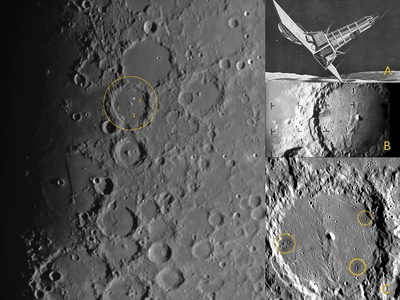
Ranger 9 delivered live televisual images during its 1965 descent and impact, giving the public and scientists dramatic close‑ups. It capped the Ranger series with high‑quality lunar photography used for Apollo site selection.
Lunar Orbiter 1
Lunar Orbiter 1 was the first in a five‑satellite series mapping potential Apollo landing sites in 1966. It returned wide‑angle photographs that improved lunar charts and helped identify safe locations for future landers.
Lunar Orbiter 2
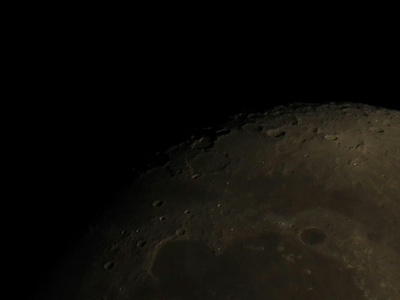
Lunar Orbiter 2 gathered high‑resolution images of potential Apollo landing areas in 1966, supplying detailed surface photos that narrowed down safe touchdown zones and informed mission planning.
Lunar Orbiter 3
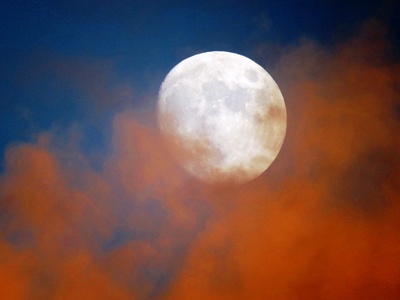
Lunar Orbiter 3 continued systematic photographic mapping in 1967, expanding coverage beyond Apollo candidates and providing stereoscopic images used for scientific study and navigation.
Lunar Orbiter 4
Lunar Orbiter 4 mapped much of the Moon in 1967 with wide coverage images aimed at science and accurate lunar charts, filling gaps left by earlier missions and supporting geology research.
Lunar Orbiter 5
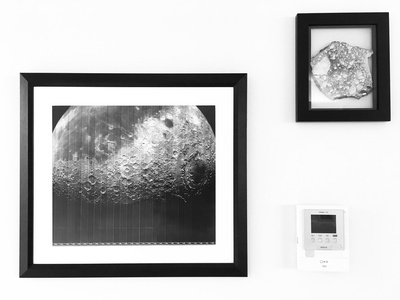
Lunar Orbiter 5 completed the series in 1967 by returning high‑resolution photographs and refining maps of Apollo target areas, greatly improving knowledge of lunar terrain and geology for landing site selection.
Surveyor 1
Surveyor 1 made the first U.S. soft lunar landing in 1966, returning images and engineering data about soil mechanics and bearing strength that validated approaches for crewed Apollo landings.
Surveyor 2
Surveyor 2 failed en route due to a midcourse engine malfunction and was lost before a planned soft landing, teaching hard lessons about propulsion and guidance reliability.
Surveyor 3
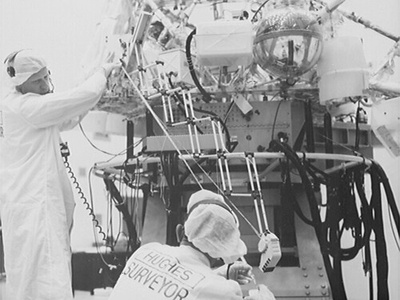
Surveyor 3 landed in 1967, returned color images and soil analysis, and was examined by Apollo 12 astronauts who returned parts to Earth, offering unique insights into surface exposure effects.
Surveyor 4
Surveyor 4 suffered a spacecraft failure during 1967 descent and crashed, failing to return surface science. The loss emphasized the technical risks of automated soft‑landing attempts.
Surveyor 5
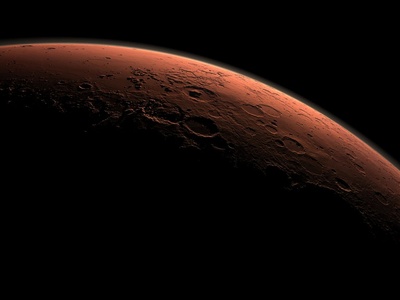
Surveyor 5 landed in 1967 and performed soil composition experiments, returning chemical data that confirmed basaltic lunar composition and helped define the Moon’s geology.
Surveyor 6
Surveyor 6 landed in 1967, returned images and soil data, and famously fired its engines to lift and redeploy nearby — the first ‘hop’ demonstrating limited surface maneuvering capability.
Surveyor 7
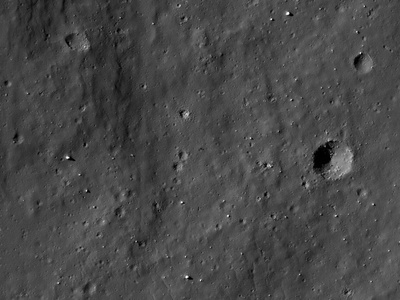
Surveyor 7, the final Surveyor, soft‑landed in 1968 and conducted extended imaging and soil experiments at a highland site, providing valuable comparative geological data away from mare basalts.
Apollo 8
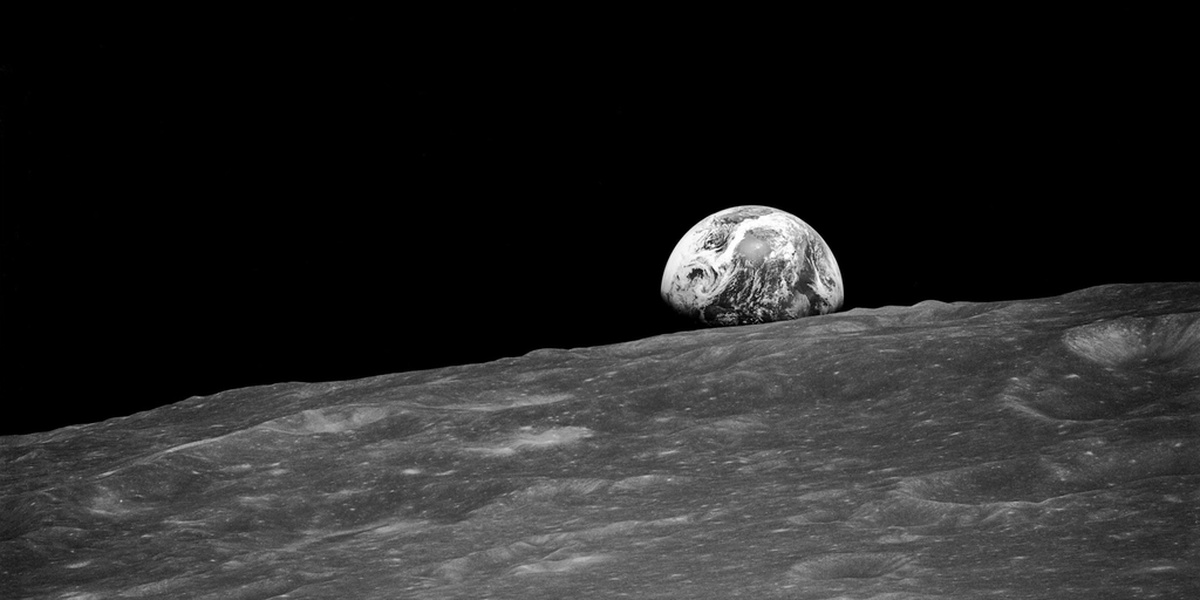
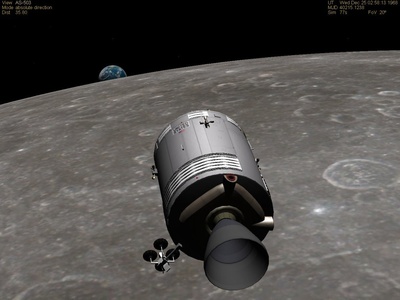
Apollo 8 was the first crewed spacecraft to orbit the Moon in 1968, capturing the iconic Earthrise image and proving humans could navigate and operate safely in lunar vicinity ahead of landings.
Apollo 10
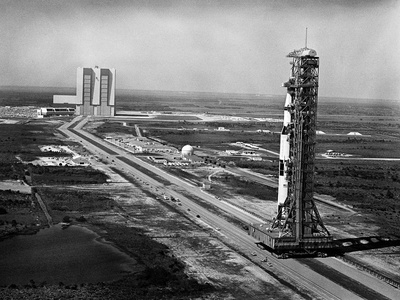
Apollo 10 served as a full dress rehearsal in 1969 for the first Moon landing, flying the Lunar Module to within about 15.6 km of the surface to validate procedures without touching down.
Apollo 11
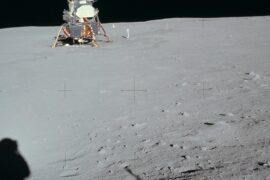
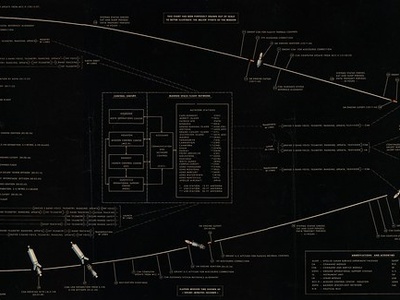
Apollo 11 achieved humanity’s first Moon landing in 1969; astronauts collected samples, deployed experiments, and broadcast the historic first Moonwalk before returning safely to Earth with lunar material.
Apollo 12
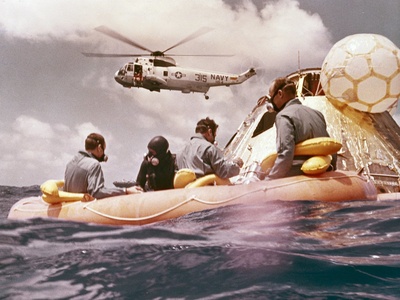
Apollo 12 made a pinpoint landing near Surveyor 3 in 1969, returned diverse rock samples and parts of Surveyor, and expanded scientific understanding of lunar geology with improved sampling strategies.
Apollo 13
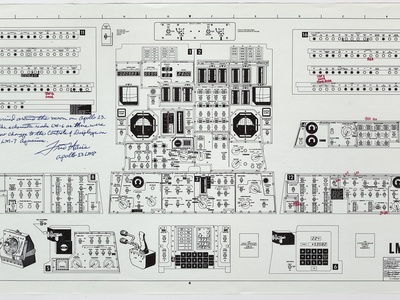
Apollo 13 suffered an oxygen tank explosion en route in 1970, aborting the landing. Using the Lunar Module as a lifeboat, the crew executed a safe return to Earth in a famous rescue effort.
Apollo 14
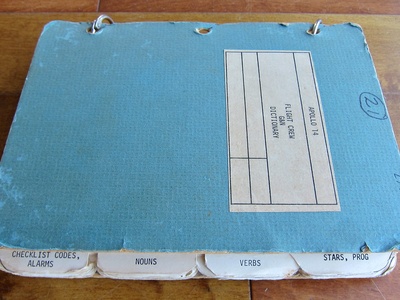
Apollo 14 returned to the Fra Mauro highlands in 1971, performed detailed geological fieldwork, collected samples, and deployed experiments that helped resolve questions about lunar formation and surface processes.
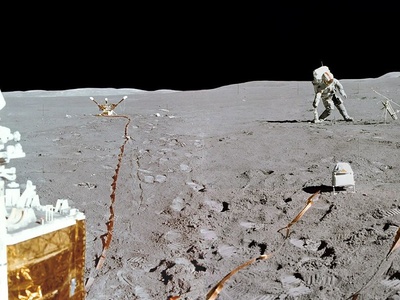
Apollo 15
Apollo 15 in 1971 introduced the Lunar Roving Vehicle, enabling longer traverses and diverse sampling. The mission emphasized geology and returned substantial scientific data from varied terrains.
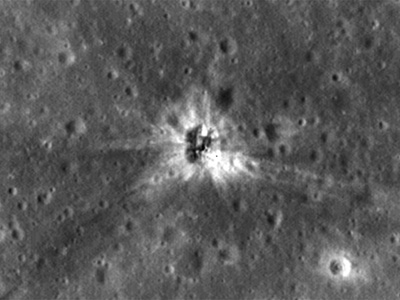
Apollo 16
Apollo 16 landed in 1972 in the lunar highlands, conducting extended EVAs, returning samples, and deploying experiments to study lunar geology, impact history, and surface processes.
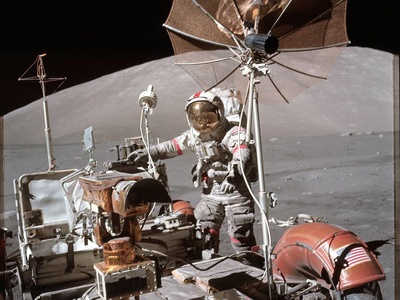
Apollo 17
Apollo 17 in 1972 was the final crewed Moon landing, with a professional geologist aboard. It delivered extensive fieldwork, a rich sample collection, and significant scientific data about the Moon’s history.
Clementine
Clementine was a 1994 robotic mapping mission that produced multispectral maps of the lunar surface and reported suggestive evidence for polar water ice, demonstrating innovative, low‑cost techniques and informing later exploration.
Lunar Prospector
Lunar Prospector orbited in 1998 to map composition and gravity, detecting enhanced hydrogen near the poles interpreted as possible water ice. Its results guided plans for polar exploration and resource studies.
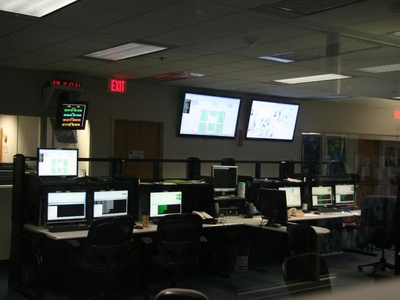
Lunar Reconnaissance Orbiter (LRO)
LRO launched in 2009 to produce detailed global maps, characterize potential landing sites, and survey resources. Its high‑resolution images, altimetry, and datasets have transformed modern lunar science and exploration planning.
LCROSS
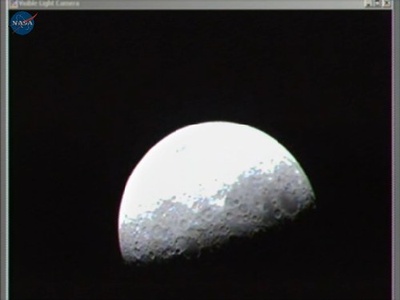
LCROSS was a 2009 impactor mission that smashed a spent upper stage into a shadowed polar crater and observed the resulting plume, confirming significant quantities of water ice in the ejecta.
GRAIL
GRAIL sent twin probes in 2011 to map the Moon’s gravity field in unprecedented detail, revealing internal structure and crustal variations. The spacecraft concluded with controlled impacts after completing science objectives.
LADEE
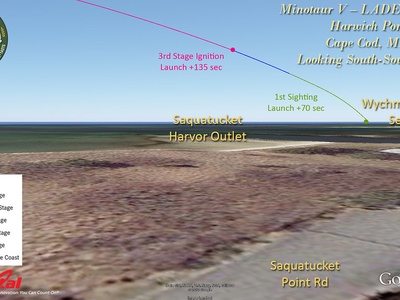
LADEE studied the tenuous lunar exosphere and dust environment in 2013, measuring composition and temporal variations. After its science mission it performed a planned impact, improving understanding of near‑surface dust behavior.
ARTEMIS
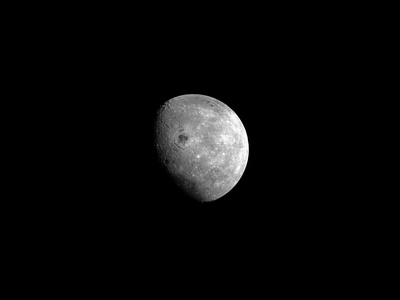
ARTEMIS repurposed two THEMIS spacecraft launched in 2007 and repositioned them into lunar orbits to study the Moon’s plasma environment and magnetotail, demonstrating innovative reuse and long‑term lunar science capabilities.
Explorer 35
Explorer 35 entered lunar orbit in 1967 to study the Moon’s magnetic environment and solar wind interaction. Its measurements improved understanding of the weak lunar magnetic field and plasma interactions.
Explorer 49
Explorer 49 was placed in lunar orbit in 1973 to perform low‑frequency radio astronomy from the Moon’s far side, where Earth’s interference is minimal, testing concepts for future lunar observatories.
Enjoyed this article?
Get daily 10-minute PDFs about astronomy to read before bed!
Sign up for our upcoming micro-learning service where you will learn something new about space and beyond every day while winding down.