On April 12, 1961, Yuri Gagarin’s flight made human spaceflight real — and set the stage for national space programs that still shape our lives.
That single orbit opened a century of work that now underpins everyday services: satellites that steer planes and ships, GPS that guides commutes, climate datasets that inform policy, and industries that employ hundreds of thousands worldwide.
This article explains why ten national and multinational space agencies matter: they drive scientific discovery, industrial innovation, international cooperation, and economic growth.
You’ll see agencies that wrote the rules for crewed flight, others that made sample-return science routine, and smaller programs that win outsized influence through niche technologies. NASA was founded in 1958, and its legacy helps frame much of the rest of the field.
Read on for profiles grouped into four themes — global pioneers and human exploration, Asia and rising strategic players, European scientific and engineering hubs, and agencies that lead through partnership and policy.
Global pioneers and human exploration

The first era of modern space activity established the routines and expectations for crewed missions, large observatories, and long-term international programs. From Yuri Gagarin’s 1961 orbit to Apollo 11’s Moon landing in 1969, these achievements built cultural momentum and scientific infrastructure that still matters.
Beyond headline flights, pioneers developed launch systems, life-support know-how, and a collaborative playbook that enabled the International Space Station (assembly began 1998) and multi-decade science missions. Flagship projects — like robotic sample-return missions and space telescopes — changed how we study the solar system and the universe.
These agencies not only flew people and probes; they created data products and industrial supply chains used on Earth, from weather forecasting to telecommunications. Below are three of the organizations that defined that era and continue to lead.
1. NASA (United States) — Pioneering human spaceflight and large-scale science
NASA is the largest and most visible civil space agency, with roots in the 1958 founding of the agency and a FY2024 budget near $27.2 billion supporting roughly 18,000 employees.
Its record includes Apollo Moon landings (Apollo 11, 1969), the Space Shuttle era, and sustained investments in flagship science: the Hubble Space Telescope (launched 1990), the James Webb Space Telescope (launched 2021), and Mars rovers such as Curiosity and Perseverance.
Recent work with Artemis — Artemis I flew an uncrewed test in November 2022 — aims to return humans to the Moon and build capabilities for deeper exploration. On the practical side, NASA’s Earth science programs supply weather and climate datasets used across industry and government.
2. Roscosmos (Russia) — A legacy of firsts and reliable crew transport
Roscosmos traces its authority to the Soviet-era program that launched Yuri Gagarin in 1961 and produced many early firsts in spaceflight. That legacy still informs its global reputation.
The Soyuz family of rockets and spacecraft established a long record of reliable crewed launches. After the ISS partnership began in 1998, Soyuz spacecraft were the primary means of crew transport for nearly two decades, supporting long-duration microgravity research.
Roscosmos continues to provide significant global launch capacity and operational experience, particularly in human spaceflight and station logistics, even as the international landscape evolves.
3. ESA (European Space Agency) — Multinational science and infrastructure
Founded in 1975, ESA coordinates 22 member states and runs an annual program budget on the order of €7.2 billion to support shared European missions and capabilities.
ESA’s Rosetta mission delivered the Philae lander to a comet in 2014, demonstrating bold robotic science. The Copernicus Earth observation program (Sentinel-1 first launched 2014) and the Galileo navigation service (initial services in the mid-2010s) provide operational data for millions of users.
By pooling resources across nations, ESA amplifies scientific reach and sustains an industrial base that supplies instruments, satellites, and launch partnerships for Europe and beyond.
Asia and rising strategic players
Over the past two decades, Asian agencies have moved from catch-up programs to leaders in planetary science, sample-return missions, and cost-effective exploration. Independent launch capabilities and growing satellite constellations now shape regional strategy and global markets.
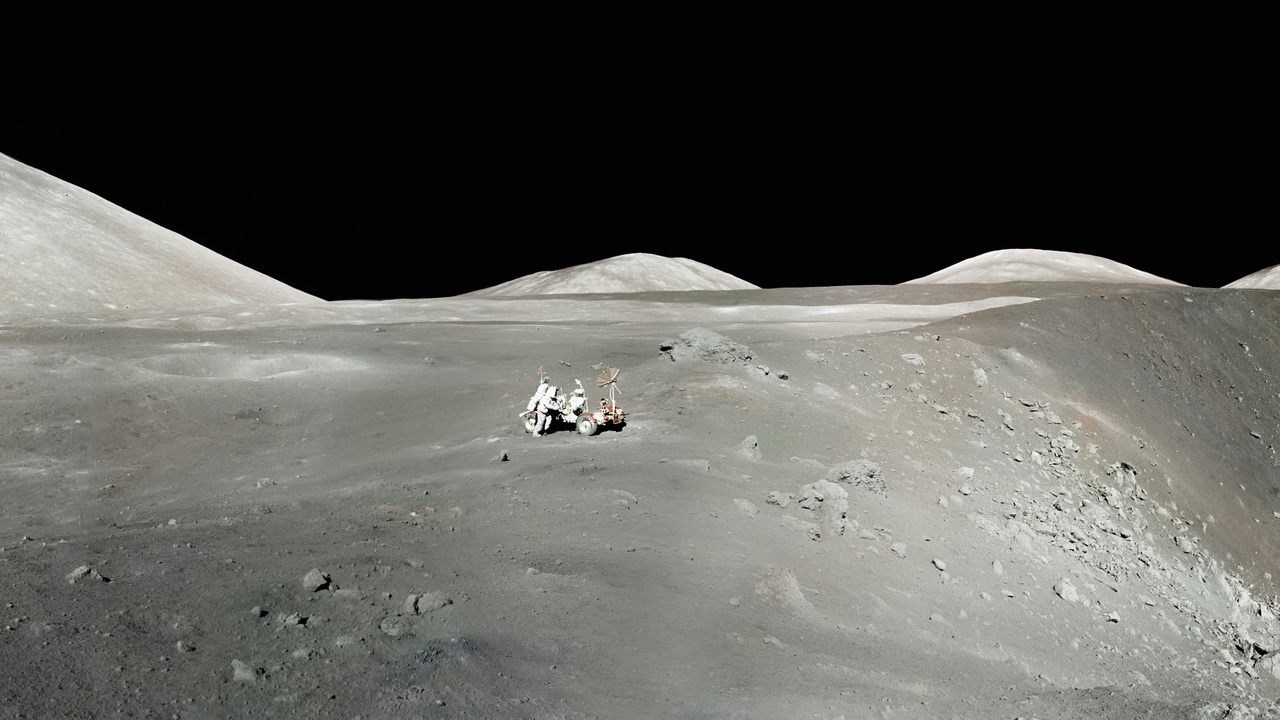
Notable milestones include China’s Chang’e sample-return work and lunar far-side exploration, India’s low-cost Mars success, and Japan’s precise robotic returns. These programs combine national ambition with pragmatic engineering, and they’re changing expectations about what missions should cost and achieve.
Expect this region’s influence to grow as mid-2020s lunar plans and new commercial partnerships come online.
4. CNSA (China) — Ambitious lunar and planetary exploration
CNSA rose rapidly after its 1993 founding to become a major space power with a busy launch cadence and high-profile robotic missions.
Key achievements include Chang’e-4, the first soft landing on the Moon’s far side in 2019, and Chang’e-5, which returned roughly 1.7 kilograms of lunar samples in 2020. In planetary exploration, Tianwen-1 delivered the Zhurong rover to Mars in 2021, combining orbiter and rover objectives in a single mission.
Those outcomes bolster China’s scientific footprint and advance capabilities across telecommunications, remote sensing, and strategic space operations.
5. ISRO (India) — Value-driven missions and growing reach
Founded in 1969, ISRO built a reputation for low-cost, high-impact missions that stretch national resources into global recognition.
Chandrayaan-1 (launched 2008) provided remote sensing data that helped detect lunar water signatures in 2009. The Mars Orbiter Mission, Mangalyaan, launched in 2013 and achieved Mars orbit insertion in 2014 at an estimated development cost of about $74 million — a striking example of frugal engineering.
ISRO’s satellite programs support communications, weather forecasting, and agriculture at home, while its growing launch and small-satellite services increasingly attract international customers.
6. JAXA (Japan) — Precision science and sample-return expertise
JAXA was formed in 2003 through the merger of earlier Japanese space organizations and quickly became known for precise robotic engineering and sample-return missions.
Hayabusa returned asteroid samples to Earth in 2010, and Hayabusa2 followed with a successful sample return in 2020. JAXA also runs planetary projects like Akatsuki at Venus and contributes Earth observation and climate science instruments to international missions.
Those strengths in delicate, high-precision systems make JAXA a valued partner for complex science goals.
European scientific and engineering hubs
Beyond ESA, national agencies in Europe supply critical engineering, instruments, and launch expertise that feed multinational programs. These organizations sustain supplier networks, nurture high-tech firms, and keep launch and manufacturing capabilities in Europe.
National labs build instruments for planetary probes, develop radar and optical satellites for Earth observation, and partner on launch vehicles. Their focused investments multiply through collaborations with ESA and commercial industry.
Two national agencies illustrate how technical depth and industrial policy combine to maintain Europe’s edge.
7. CNES (France) — A scientific engine and industrial partner
CNES was founded in 1961 and plays a dual role: running national programs while partnering closely with ESA on launchers and payloads.
French industry, supported by CNES, has been central to Ariane launcher development and supplies many scientific instruments for planetary and Earth observation missions. That work sustains high-tech jobs and exportable capabilities in satellite manufacturing and systems engineering.
CNES continues to blend science goals with industrial policy to keep France at the center of European space projects.
8. DLR (Germany) — Engineering, aeronautics, and Earth observation
DLR was formed in 1969 and covers aeronautics, space, and energy research, bringing deep engineering expertise to European programs.
Its TerraSAR-X radar satellite, launched in 2007, is an example of operational radar imaging used for disaster response, land management, and security. DLR also supplies robotics, ISS experiment hardware, and instruments for planetary missions.
That combination of engineering depth and applied science keeps Germany as a go-to partner for demanding technical tasks.
International collaboration and regional leadership
Some agencies exert influence that far exceeds their budgets by specializing in robotics, sensors, or clever policy. Those niche strengths make them indispensable partners on big international projects.
By supplying key hardware or shaping regulatory frameworks, these organizations help broaden global capacity and enable programs that no single country could sustain alone.
The final two profiles show how targeted capability and policy leadership create outsized impact.
9. CSA (Canada) — Robotics and specialist technologies
The Canadian Space Agency was established in 1989 and quickly earned a reputation for robotics and specialist payloads.
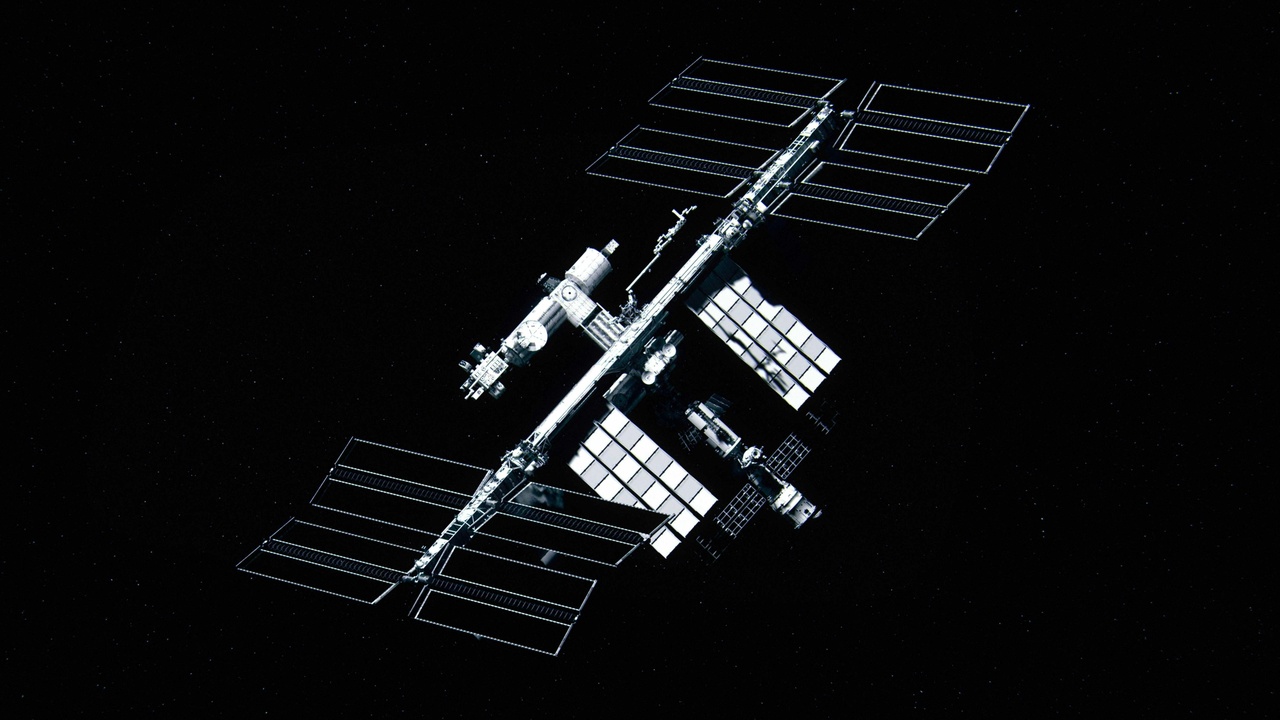
Canada’s Canadarm family — first introduced during the Space Shuttle era in the 1980s — became emblematic of that contribution and evolved into systems used on the ISS. CSA also excels in radar and SAR payloads for Earth observation, supporting communications, environmental monitoring, and resource management.
Those focused strengths make Canada a go-to partner when missions demand precision robotics or niche sensors.
10. UK Space Agency (United Kingdom) — Policy, commercial push, and small-satellite leadership
The UK Space Agency was established in 2010 to centralize national priorities and accelerate a growing commercial sector focused on small satellites and services.
UKSA supports domestic launch infrastructure plans, regulatory frameworks, and seed funding for smallsat firms, helping create jobs and exportable services. That policy and commercial focus has attracted private investment and boosted the UK’s industrial base.
Everyday impacts include improved satellite services for communications, Earth observation, and an expanding high-tech workforce.
Summary
- The most influential space agencies combine budgets, unique technical strengths, and partnerships to create far-reaching scientific and economic effects — from NASA (founded 1958) to rising national programs.
- Smaller or mid-sized organizations punch above their weight through niche capabilities: Canada with robotics, Japan with precise sample returns, and India with remarkably cost-efficient missions like Mangalyaan (~$74M).
- International cooperation — plus healthy competition — drives innovation: shared platforms (ISS, Copernicus), joint missions, and cross-border supply chains amplify impact beyond any single budget.
- Watch the mid-2020s: renewed lunar programs, crewed architectures, and new commercial launch sites will reshape who leads and how missions are financed and staffed.
Enjoyed this article?
Get daily 10-minute PDFs about astronomy to read before bed!
Sign up for our upcoming micro-learning service where you will learn something new about space and beyond every day while winding down.