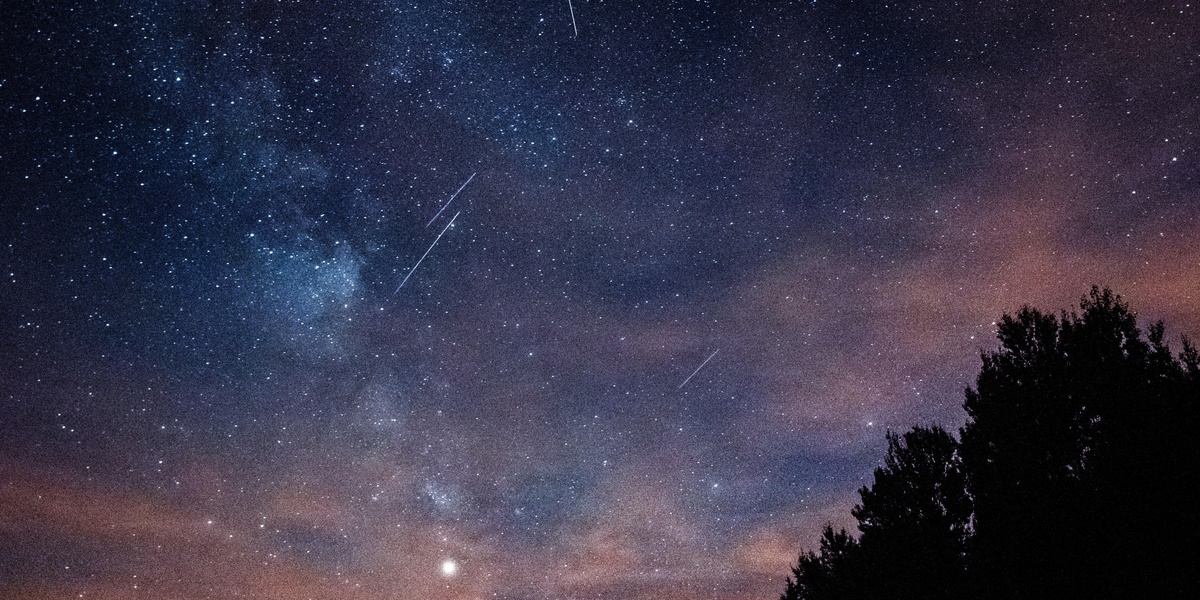
In November 1833 the sky above the eastern United States erupted in a river of stars during the Great Leonid storm, an event that made meteor showers a public spectacle and helped birth modern meteor astronomy; observers described “thousands of meteors per hour” flooding the sky and people thought the world was ending. That dramatic moment turned a curious streak or two into predictable annual highlights, and today we can plan backyard vigils around those recurring dates. Annual meteor displays are reliable because Earth crosses the same debris streams each year, and many of them produce bright, slow fireballs that are easy to spot without a telescope. This guide profiles ten showers you can count on, gives practical viewing tips (timing, moon avoidance, finding the radiant), and calls out a few memorable historic outbursts. Read on for ten dependable events spaced through the calendar that amateur stargazers and photographers alike will enjoy.
Bright, High-Rate Annual Showers
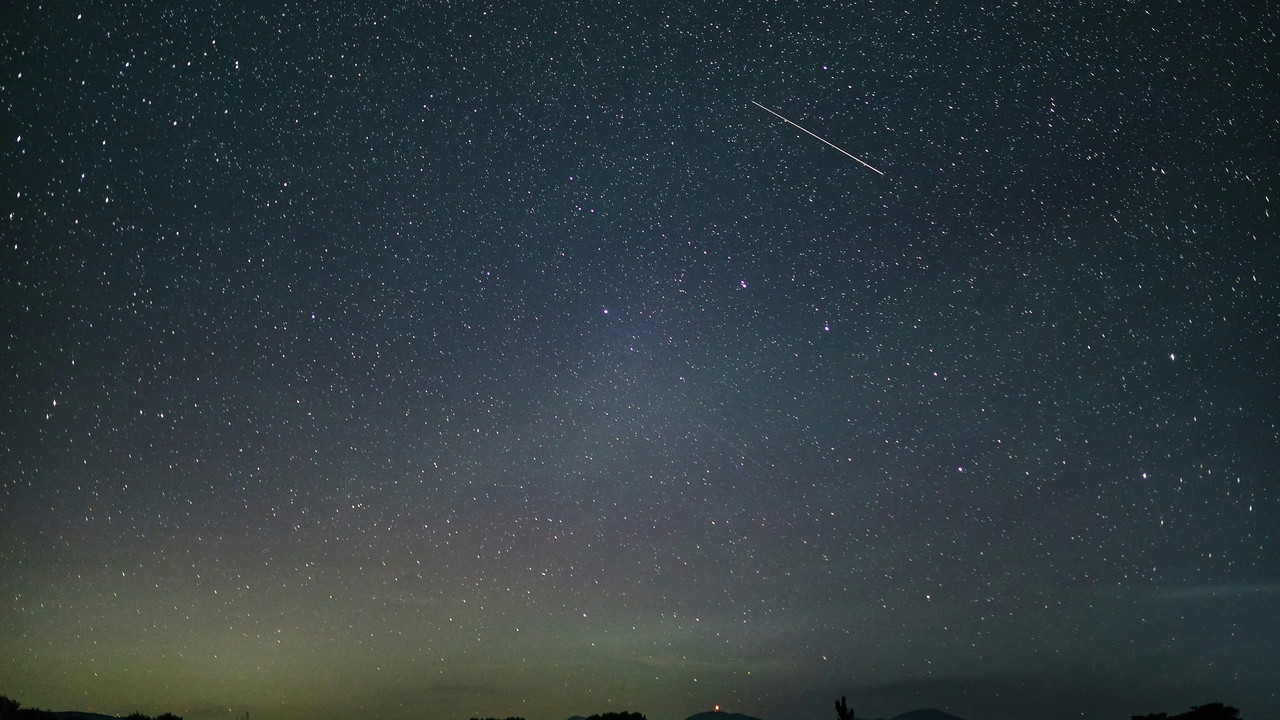
This group contains the year’s most prolific displays—showers that typically produce the highest zenithal hourly rates (ZHR) and deliver the most spectacular viewing for casual observers. ZHR is an idealized number: the approximate count an observer would see under perfectly dark skies with the radiant at the zenith. In real life, light pollution, moonlight, and radiant altitude all reduce raw counts, so expect fewer meteors in a city than the quoted ZHR.
Best practice for bright showers is to watch after local midnight into the pre-dawn hours when the observing location on Earth faces the incoming debris head-on. Find a dark site, let your eyes adapt 20–30 minutes, and use a reclining chair or blanket to take in as much sky as possible. The parent body—either a comet or an asteroid—matters because denser, fresher debris streams (from recent passages) produce higher rates and more fireballs.
1. Perseids — The Late-Summer Favorite (Peak: Aug 11–13, ZHR ~60–100)
Perseids are often the most-watched summer shower, especially in the Northern Hemisphere. The peak falls around August 11–13, and typical ZHR values range from roughly 60 to 100 depending on sky conditions and whether the Moon interferes.
The source is comet 109P/Swift-Tuttle, whose debris stream produces many bright, fast meteors. From mid-northern latitudes you can expect steady activity from late evening, rising toward a maximum between midnight and dawn on peak nights. Rural parks and national parks (Maine, Utah, etc.) are classic viewing spots.
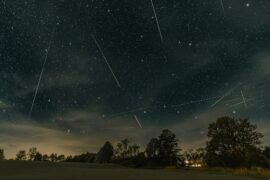
Perseids are ideal for groups and photographers: use long exposures to capture multiple trails, avoid direct lights, and recline to increase your sky coverage. Past enhanced displays (for example, stronger-than-average activity seen in 1992 and 2016) show the shower can surprise us, so check forecasts before you go out.
2. Geminids — December’s Reliable Showstopper (Peak: Dec 13–14, ZHR ~100–120)
Geminids often deliver the year’s highest regular ZHR and do so with unusual consistency. The peak around December 13–14 commonly yields ZHR values near 100–120 under dark skies, and observers in suburban backyards still report dozens of meteors per hour.
Unusually, the Geminids originate from asteroid 3200 Phaethon rather than a classic comet, which helps explain their dense, persistent stream and frequent bright meteors and fireballs. December’s long nights also make for extended observing windows in the Northern Hemisphere.
Layer up for cold nights and consider using an open car trunk or a hooded blanket for warmth while watching. Geminid meteors tend to be slower and bright, making them excellent subjects for astrophotographers using wide-angle lenses and exposures of 15–30 seconds.
3. Quadrantids — Short, Intense Winter Peak (Peak: Jan 3–4, ZHR ~60)
The Quadrantids are notable for a very narrow, sharp peak in early January. The maximum typically occurs on Jan 3–4 and can reach ZHRs around 60 under ideal conditions, but rates drop rapidly outside a tight 2–4 hour window.
The parent body is likely asteroid 2003 EH1, and because the peak is so brief you need to be on-site during the right hours—usually just before dawn—to see the best activity. Higher northern latitudes generally see the strongest display, though mid-northern observers can catch the main burst if timing is right.
Plan for cold conditions: short, sharp peaks reward observers who can stay awake near the predicted maximum. The Quadrantids are a good reason to check forecasts from NASA or the International Meteor Organization (IMO) a day or two before peak.
4. Leonids — Variable but Memorable (Peak: Nov 17–18, ZHR usually 10–15; historical storms much higher)
Leonids are famous because, while their regular ZHR is modest (about 10–15), they have produced spectacular storms in the past. The regular peak is around November 17–18, but dense debris trail encounters can create surges, as in 1833 and 1966 when rates reached thousands per hour.
The Leonids come from comet 55P/Tempel-Tuttle, and modern forecasting relies on modeling the comet’s discrete debris trails to predict enhanced activity years in advance. Those models let astronomers warn the public and observers when a storm or strong outburst is possible.
Because standard Leonid activity is unremarkable most years, you should still check predictions from organizations like the IMO and NASA (for example, see International Meteor Organization) before planning an outing. Watching annually matters—the chance of a surprise outburst is what keeps many fans returning each November.
Reliable, Easy-to-Find Annual Showers
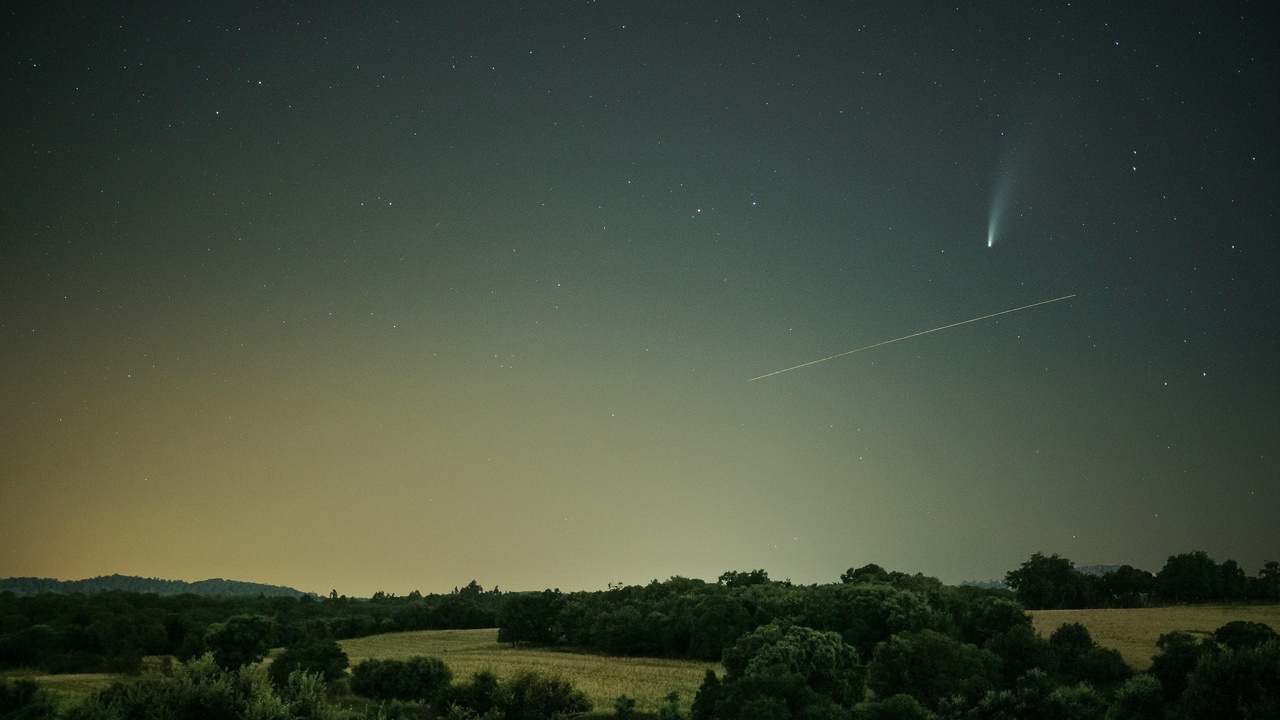
This set highlights showers that are forgiving for beginners: they offer decent rates, broader peaks, or favorable evening viewing times. These displays are often visible from suburban and even some urban skies if you pick a darker patch and face away from the city glow.
Useful gear is minimal: reclining chair or blanket, a red flashlight, warm layers, and a sky app (Stellarium, SkySafari) or an almanac for exact peak timings. Remember that hemisphere matters—some showers, like the Eta Aquariids, favor the Southern Hemisphere and reach higher ZHRs there.
5. Lyrids — A Spring Classic (Peak: Apr 21–22, ZHR ~15–20)
Lyrids are a dependable spring shower with occasional surprises. Peak activity falls around April 21–22 and typically produces about 15–20 meteors per hour under good conditions.
The parent body is Comet C/1861 G1 Thatcher, and because the Lyrids have a broader peak than the Quadrantids, you have more flexibility to catch activity over a couple of nights. That makes them ideal for combined spring camping and skywatching outings.
Lyrids are visible from both hemispheres but favor northern observers late at night into pre-dawn. They’re a great first shower for beginners learning to spot radiants and count rates before tackling stronger displays later in the year.
6. Eta Aquariids — Halley’s Southern Show (Peak: May 5–6, ZHR ~30–50 in Southern Hemisphere)
The Eta Aquariids are debris from Halley’s Comet and favor the Southern Hemisphere. Peaks occur around May 5–6 and can produce ZHRs of 30–50 for southern observers; northern rates are lower but still include occasional bright meteors.
Because the radiant rises close to dawn for mid-latitude northern observers, the best chance to see Eta Aquariid meteors is in the hours before sunrise. In the Southern Hemisphere (Australia, New Zealand), pre-dawn viewing often yields the best counts.
Travelers in the south should plan early-morning sessions and watch for fast, often faint meteors that appear in short, bright streaks. Using a sky app to locate the radiant helps position your field of view efficiently.
7. Southern Delta Aquariids — Summer’s Low-Key Show (Peak: Jul 28–29, ZHR ~15)
The Southern Delta Aquariids present steady summer activity, peaking around July 28–29 with typical ZHR near 15. They’re stronger in the Southern Hemisphere but remain accessible to mid-northern observers.
Activity often overlaps the Alpha Capricornids, producing a pleasant late-evening to pre-dawn window for backyard sessions. The shower’s meteors are generally slower and fainter, so dark sites increase your odds of seeing more.
Use the Delta Aquariids as practice for later-season events: try tracking counts for 30–60 minutes, note meteor directions relative to the radiant, and compare results with local astronomy groups or apps to refine observing techniques.
8. Orionids — Fast Meteors from Halley (Peak: Oct 20–21, ZHR ~20)
Orionids deliver fast, bright meteors that come from Halley’s Comet and peak around October 20–21 with ZHRs near 20. Their high entry speed (about 66 km/s) often creates long persistent trains that linger after the meteor fades.
These meteors are visible from both hemispheres and can stand out even from suburban skies because of their velocity and brightness. The radiant near Orion makes framing photos interesting—capture Orion’s belt and you may catch trails crossing the constellation.
Photographers prize the Orionids for train photography; set up a wide-angle camera, use 10–30 second exposures, and stack several frames later to show persistent trails and trains.
Specialty Showers and Fireball Producers
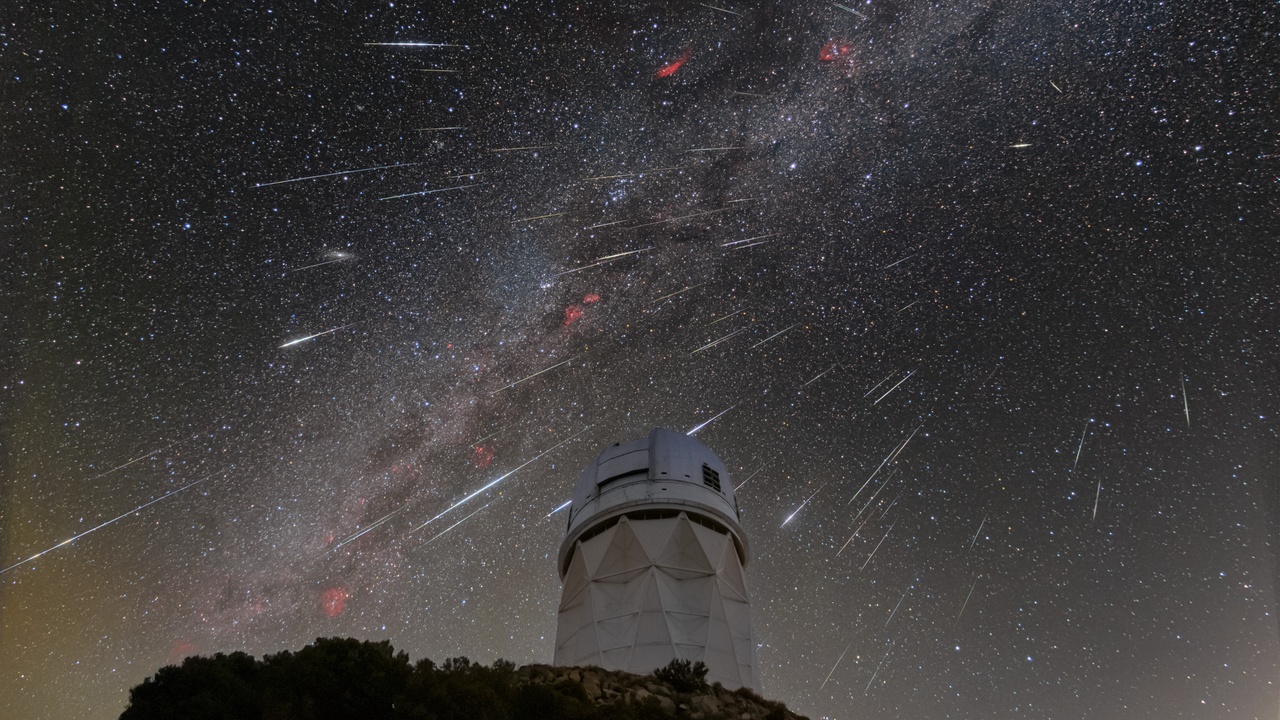
These showers are notable for producing bright fireballs, slow-moving meteors, and occasional rare outbursts. They’re prized by photographers and casual observers alike—fireballs can be startling but are perfectly safe to watch. Larger debris particles produce brighter events, while orbital resonances and dense trails sometimes create short-lived surges.
Keep an eye on forecasts for predicted outbursts, and learn how to report sightings to the International Meteor Organization or NASA’s fireball networks so researchers can correlate eyewitness reports with instrumental data. Historical Draconid and Taurid activity shows why vigilance matters—brief, intense displays can appear with little notice.
9. Taurids — Slow, Bright, and Fireball-Prone (Peak: Nov–Dec, ZHR modest but many fireballs)
The Taurids run long—from roughly October through December—and are famous not for high ZHR but for producing a high fraction of fireballs. Typical hourly rates are modest (often under 10), but the particles tend to be larger and slower, making bright, lingering events more likely.
Associated with Comet Encke, the Taurids include occasional predictions of a concentrated “Taurid swarm” that can increase fireball frequency; such predictions prompt coordinated observing campaigns. Photographers and amateur networks often monitor November and early December for notable fireballs.
Observers report slow-moving fireballs that can produce visible trains and, in rare cases, sonic booms. Because the activity is spread across months, casual watchers can tune in on clear late-fall nights and still have a good chance of witnessing a brilliant meteor.
10. Draconids — Autumn’s Surprise Outbursts (Peak: Oct 8–9; usually low ZHR but historic storms exist)
The Draconids typically produce low activity around October 8–9, but they have erupted into intense outbursts in specific years. Historic storms in 1933 and 1946 produced extraordinary rates, and a notable uptick in 2011 reminded observers that the Draconids can surprise.
The parent comet is 21P/Giacobini–Zinner, and dense old trails ejected long ago can intersect Earth’s path, producing brief surges of meteors—sometimes hundreds or thousands per hour for a narrow interval. Draconids are relatively slow (around 20 km/s), which makes them easy to photograph and to follow visually.
Predicted encounters are often announced weeks ahead by meteor organizations; when forecasts indicate an increased chance, plan to watch from dark sites and report sightings to the IMO or NASA’s fireball reporting pages so scientists can collect timely data.
Summary
- Annual meteor showers are accessible and predictable—pick dark hours late at night into pre-dawn, avoid moonlight, and let your eyes adapt 20–30 minutes.
- This guide covered 10 dependable showers across the year: Quadrantids (Jan), Lyrids (Apr), Eta Aquariids (May), Southern Delta Aquariids (Jul), Perseids (Aug), Geminids (Dec), Orionids (Oct), Leonids (Nov), Taurids (Oct–Dec), and Draconids (Oct).
- Use practical tips—reclining chair, red flashlight, warm layers, and a sky app like Stellarium or SkySafari—to maximize sightings; city observers should face away from light domes and seek skyline breaks.
- Check forecasts from NASA (NASA) and the International Meteor Organization (IMO) before planning, and consider joining a local astronomy club or star party for guided viewings and reporting opportunities.
- Mark your calendar for the next peak, keep an eye on forecasts for possible outbursts, and get outside—the sky has reliable yearly shows that reward patience and simple preparation.
Enjoyed this article?
Get daily 10-minute PDFs about astronomy to read before bed!
Sign up for our upcoming micro-learning service where you will learn something new about space and beyond every day while winding down.