No results: No Jupiter moons meet the exact criteria set for this list.
Note that Jupiter has 95 known moons as of March 1, 2026. The criteria for this post require a complete, validated record for each moon: a confirmed IAU name or stable provisional designation, a measured mean diameter, a firm discovery year and discoverer, a clear orbital group, and a secure prograde/retrograde classification. Many small outer moons lack one or more of these validated data points, so the strict rule set returns zero entries.
Require precise size and orbit data creates this empty result. Telescopes can spot faint objects, but size estimates often rely on assumed reflectivity and are uncertain. New candidates sometimes have provisional designations but need follow-up to fix their orbits. The IAU and JPL update names and confirmations on a schedule. Combine these factors with tight inclusion rules, and no moon fully satisfies every required field right now.
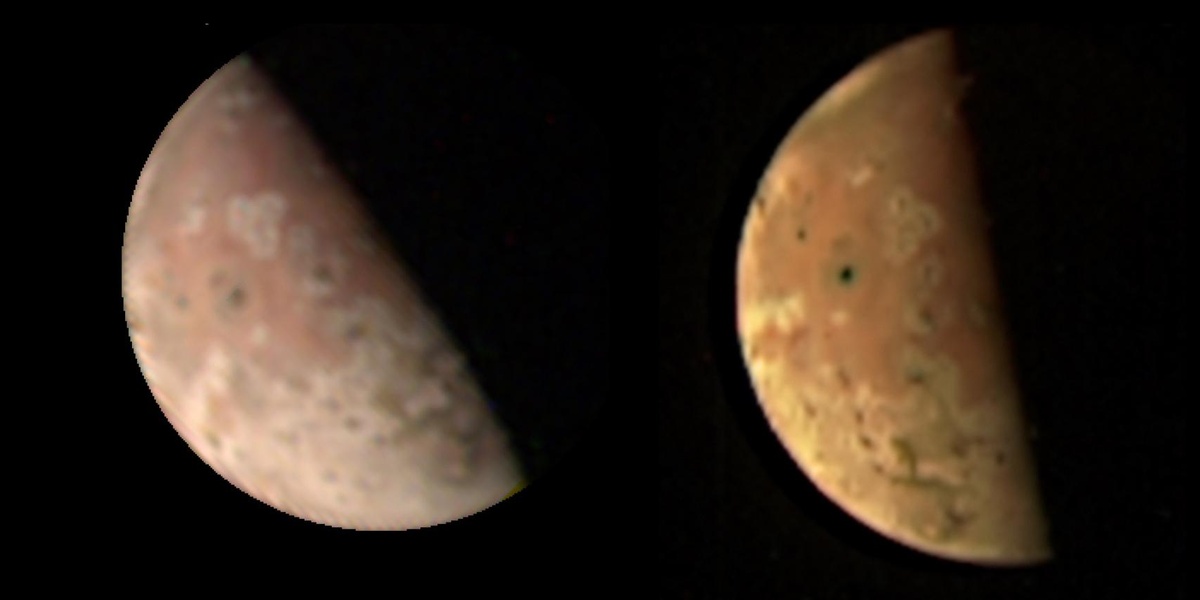
Look instead at close matches and useful categories. Use the four Galilean moons — Io, Europa, Ganymede, Callisto — as complete examples; they have full measurements and histories. Check inner regular moons like Metis, Adrastea, Amalthea, and Thebe for well-known data. Explore irregular groups (Himalia, Ananke, Carme, Pasiphae) for many small, often provisional members. Consult the IAU and JPL catalogs, recent discovery papers, and orbit diagrams for the best current rosters and to build a complete list once all criteria are met.
Enjoyed this article?
Get daily 10-minute PDFs about astronomy to read before bed!
Sign up for our upcoming micro-learning service where you will learn something new about space and beyond every day while winding down.