On July 20, 1969, the Apollo 11 lunar module touched down on the Moon—an image and a bit of footage that documentaries have returned to for decades as a way to explain why space exploration mattered.
Filmmakers have a unique job: they translate complex missions, instruments, and data into human stories that stick. Over three decades and more, a handful of films and series broadened public interest, influenced funding debates, and sent students into astronomy and engineering programs.
This article argues that a handful of documentaries and documentary series have shaped public understanding of space, influenced policy and funding, and inspired careers in STEM—these are the 10 most influential space documentaries. Below you’ll find ten titles grouped into four categories: popularizers, archive-driven mission films, human-and-operations stories, and science-and-telescope features.
Cultural Catalysts: Popularizers Who Made Space Feel Personal
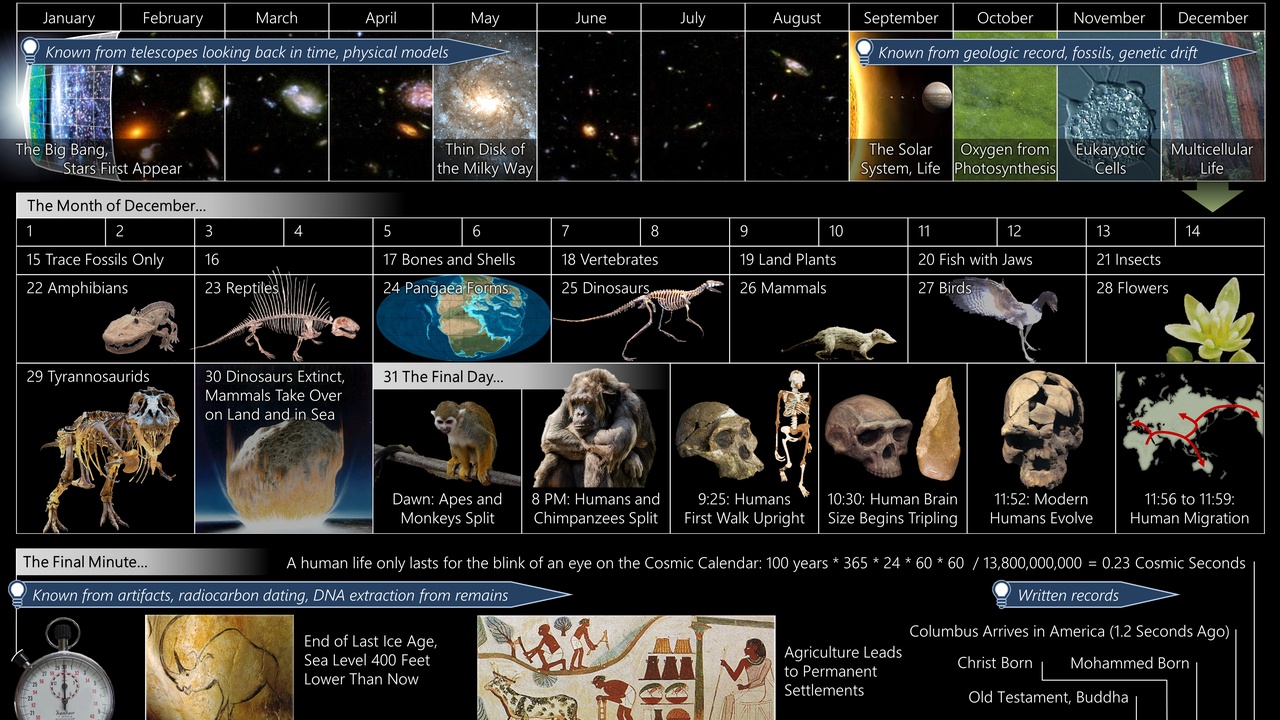
Some programs did more than inform; they invited millions into a conversation about our place in the universe. These popularizers used storytelling, accessible metaphors, and mass broadcast reach to raise enrollment in astronomy courses and shape public debate about space budgets and priorities.
1. Cosmos: A Personal Voyage (1979) — Carl Sagan’s landmark series
Cosmos (1979) redefined science television by bringing the universe into living rooms around the world. Hosted by Carl Sagan and broadcast in 1979 as a multi-episode series, it combined narrative arcs with clear demonstrations to make difficult ideas feel vivid.
The program’s mix of awe and pedagogy helped create a generation of science communicators and researchers who later cite Cosmos as formative. Many astronomers and science writers trace their first serious interest in the field to Sagan’s episodes, and the series’ revival as Cosmos: A Spacetime Odyssey in 2014 underscores its enduring cultural role.
2. For All Mankind (1989) — The Apollo missions as a single human story
Al Reinert’s For All Mankind (1989) reshaped how people remember Apollo by assembling NASA footage and mission audio into a poetic narrative about the human side of lunar exploration. Released in 1989, the film eschews a linear technical account in favor of an immersive, archival-driven experience.
With restored NASA footage and carefully edited EVA and launch sequences, the film is used regularly in classrooms and public screenings to convey the scale and intimacy of the Apollo program. Its success also influenced later filmmakers to invest in archival restoration and montage as storytelling tools.
3. The Planets (BBC, 2019) — Modern visual storytelling about our neighboring worlds
BBC’s The Planets (2019) pairs cutting-edge CGI with the latest mission results to tell the stories of Mercury through Neptune. Presented by Brian Cox in its 2019 run, the series updated public understanding of planets by weaving recent discoveries into cinematic episodes.
Episodes on Mars, Jupiter and the outer planets brought data from orbiters and probes to a broad audience, showing how discoveries about atmospheres, moons, and ring systems reshape textbook narratives. The series also reinforced how visual effects and clear narration can translate specialist findings to everyday viewers.
Mission and Archive Films: Restoring and Reframing Historic Voyages
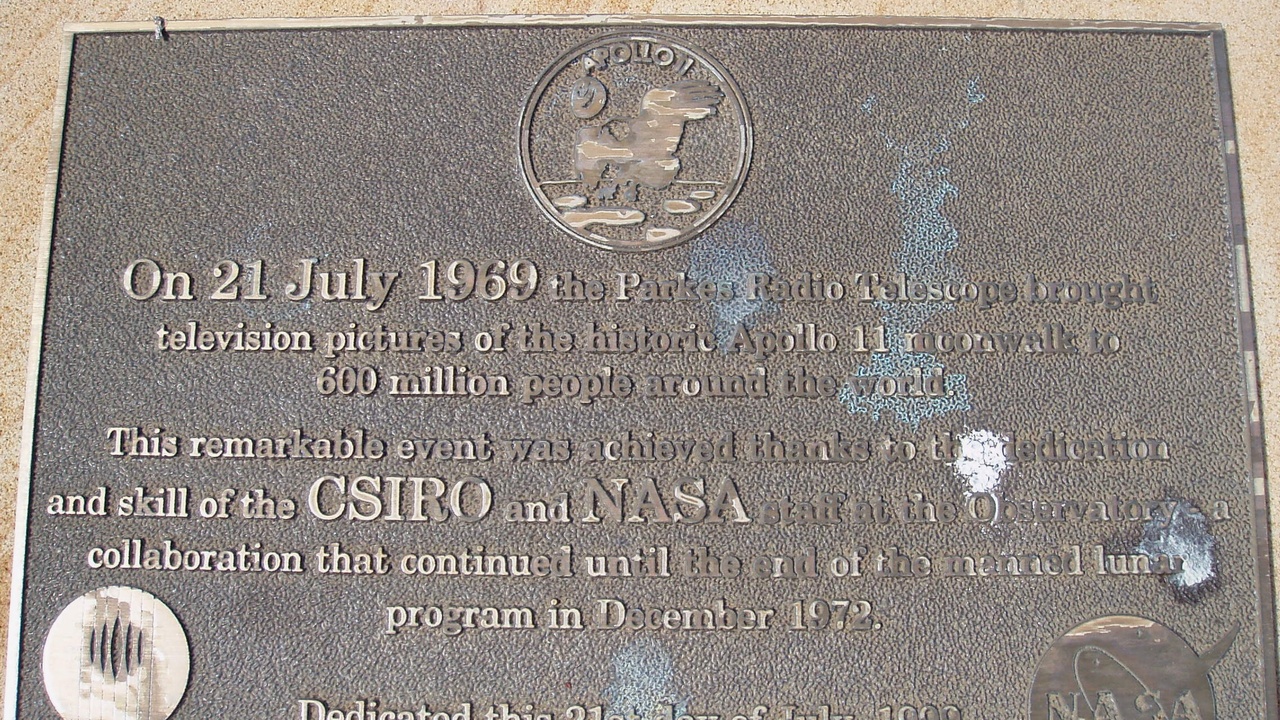
Films that dig into archival materials change how history feels. By restoring 65mm film, resurfacing unheard audio, or compiling first-person testimony, these documentaries place missions in fresh context and often spark renewed museum exhibits and retrospectives.
4. Apollo 11 (2019) — Archival gold: restoring the mission in 65mm
Apollo 11 (2019) brought previously unseen 65mm and 70mm footage to modern screens, making the 1969 mission feel immediate again. Released in 2019, the film relied on painstakingly restored film and audio to present the lunar descent, surface EVA, and crowd reactions with uncommon clarity.
Critics praised the restoration work, and museums and IMAX programs incorporated the film into anniversary programming. The newly vivid sequences—especially the lunar descent and the first steps—renewed public conversations about lunar heritage and inspired renewed interest in archival preservation.
5. In the Shadow of the Moon (2007) — First-hand accounts from Apollo veterans
In the Shadow of the Moon (2007) foregrounds oral history, compiling candid interviews with Apollo astronauts to give events human texture. Released in 2007, the film weaves personal recollections with archival clips to produce a documentary that reads as both testimony and history.
Educators use this film to teach Cold War-era context alongside technical achievement; its strength is the astronauts’ voices, which highlight the emotional stakes and long-term impact of mission life. Festival screenings and classroom showings helped popularize oral-history formats for space narratives.
6. The Farthest: Voyager in Space (2017) — A mission that redefined our view of the solar system
The Farthest (2017) chronicles the Voyager probes launched in 1977 and their decades-long scientific returns. Released in 2017, the documentary traces discoveries from new moons to magnetospheric science and highlights how a pair of probes reshaped planetary science.
By revisiting Carl Sagan’s ‘Pale Blue Dot’ perspective and showcasing the stream of data Voyager sent back, the film emphasizes long-duration mission planning and public fascination with deep-space milestones. It also underlines how archival audio, interviews, and mission scientists can narrate a technical legacy for general viewers.
People and Process: Human Stories Behind the Missions
Behind every flight are people—astronauts, engineers, and controllers—whose decisions, sacrifices, and careers shape outcomes. Documentaries that center those stories influence recruitment, institutional memory, and the public’s sense of the operational realities of spaceflight.
7. The Last Man on the Moon (2014) — An astronaut’s personal arc
The Last Man on the Moon (2014) is a candid portrait of Gene Cernan that explores the human costs and complexities of an Apollo-era career. Released in 2014, the film follows Cernan’s post-flight life, offering scenes of retirement and reflective interviews that complicate heroic narratives.
By focusing on one astronaut’s highs and lows, the documentary prompts discussions about veteran support, career transitions, and how institutions preserve legacy. The film’s combination of personal interviews and archival footage challenges simple myths about astronauts and mission life.
8. Mission Control: The Unsung Heroes of Apollo (2017) — Engineers and controllers in the spotlight
Mission Control: The Unsung Heroes of Apollo (2017) turns attention to the engineers and flight controllers whose decisions kept crews alive. Released in 2017, it features interviews with former controllers and console-room archival footage that reveal problem-solving under pressure.
Highlighting teamwork and operational judgment, the film makes clear how mission success depends on organizational culture and leadership. Educators and outreach programs use it to show young engineers what high-stakes systems thinking looks like in practice.
9. When We Left Earth: The NASA Missions (2008) — A multi-episode institutional history
When We Left Earth (2008) is a multi-episode series that surveys NASA from Mercury through Shuttle. Released in 2008, it offers a broad institutional arc across decades of missions, blending archival footage, interviews, and mission timelines.
The series is frequently used by museums and schools as a compact reference for programmatic changes, budgetary shifts, and technological evolution. Episodes on Mercury, Gemini, Apollo, and the Shuttle era provide educators with curated narratives useful for policy and history discussions.
Telescopes, Probes, and the Science Lens
Some films focus less on people and more on instruments and the practice of discovery—how telescopes and probes turn raw data into images and insight. These documentaries helped the public appreciate the craftsmanship behind major scientific results.
10. Hubble (2010) — How a telescope changed our visual vocabulary for the cosmos
Hubble (released in several forms, including Hubble 3D in 2010) brought the space telescope’s spectacular imagery to mainstream audiences. The Hubble telescope launched in 1990, and early corrective servicing in 1993 transformed its scientific productivity; the 2010 documentary explains both the hardware and the science behind those results.
Iconic images such as the Pillars of Creation entered popular culture thanks to Hubble’s data pipeline and image processing choices. The film illustrates how raw observations become classroom images, museum exhibits, and fundraising touchpoints for future telescopes.
Summary
- These influential space documentaries turned technical missions and instruments into human narratives that inform public opinion, fuel education, and shape cultural memory.
- The four approaches—popularizers, archival restorations, human-and-operations portraits, and instrument-focused films—each play different roles in recruitment, funding discussions, and curriculum design.
- Concrete impacts include classroom and museum programming (examples: Apollo 11, Cosmos), renewed archival preservation efforts, and clearer public appreciation for scientific methods and mission operations.
- Watch or rewatch these titles to better understand how documentary storytelling has shaped the conversation about space exploration and to connect past missions with today’s initiatives.
Enjoyed this article?
Get daily 10-minute PDFs about astronomy to read before bed!
Sign up for our upcoming micro-learning service where you will learn something new about space and beyond every day while winding down.