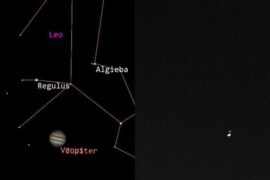
In 1922 the International Astronomical Union standardized 88 constellations; by 1930 Belgian astronomer Eugène Delporte drew the formal boundaries we still use today.
Ever looked up and felt lost among all those stars? You don’t need a telescope or an astronomy degree to learn how to identify constellations—this guide gives eight practical, science-backed ways to find familiar patterns, whether you’re on a city balcony or at a dark-sky park.
Practical tools and apps for identifying constellations
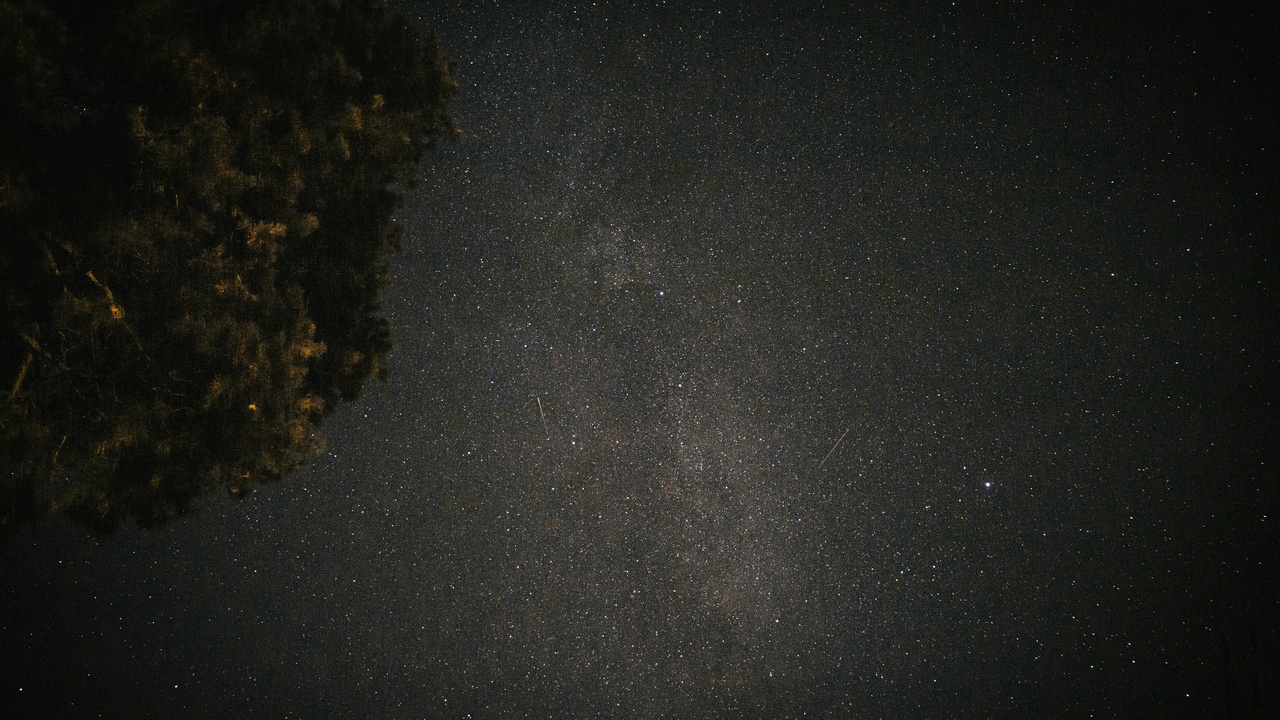
Modern and traditional tools make identifying star patterns faster and less error-prone. Low‑tech options like paper charts and planispheres work without power, while apps provide live overlays, catalogs of thousands of stars, and time‑travel features for planning.
1. Use a planisphere or star chart
A planisphere is a simple rotating star wheel that shows the sky for any date and time; set the date and time, hold it overhead, and match the bright stars you see to the chart. Planispheres have been used for decades and are especially reliable in remote locations without power—typical uses include summer camps, museum handouts, and planetarium programs.
Practical tip: pair a printed chart with a red‑light flashlight or red LED headlamp to preserve night vision while reading the wheel. Paper planispheres and printed charts are available from astronomy clubs, planetariums, and many online retailers.
2. Use mobile apps with live sky overlays
Smartphone apps turn your phone into a live star map by using GPS and the gyroscope to show the sky overhead in real time. Many apps catalog thousands of stars and deep‑sky objects—some list 9,000+ objects—while offering zoom, magnitude labels, and time‑shift to see past or future skies.
Use apps like Stellarium (desktop and mobile), SkySafari (mobile), SkyView, or NASA’s Eyes to get authoritative imagery and data; for NASA resources, see NASA Eyes. Remember battery and light‑pollution limits and enable night mode or red overlays when observing in the field.
3. Try augmented-reality (AR) and telescope companion apps
AR overlays and telescope companion apps label constellations on a live camera feed, making pattern recognition instant at public outreach events and informal stargazing. AR matches the camera view to star catalogs and draws lines and names on the screen.
Telescope apps from makers like Celestron and Sky‑Watcher can also sync with computerized mounts, use automatic plate solving, and help align GoTo systems—handy if you pair visual ID with a telescope at a star party.
Observation techniques and timing

Timing and technique matter more than fancy gear for many identifications. Learn the seasonal shifts and asterisms, practice star‑hopping from anchors, and pick the right observing window to minimize confusion between similar groups.
4. Learn seasonal sky patterns and major asterisms
Memorizing which constellations dominate each season is one of the fastest shortcuts. Earth’s orbit makes the night sky appear to shift about 2 hours earlier each month, so anchors recur predictably from season to season.
Pick 3–4 anchor asterisms to start—Orion for winter, the Summer Triangle (Vega, Deneb, Altair) for summer, and the Big Dipper for many northern nights. These signposts let you orient quickly and then move to fainter and neighboring constellations.
5. Practice star-hopping from bright anchor stars
Star‑hopping means moving from a known bright star to fainter nearby stars until you reach your target. Identify a bright anchor—Sirius, Betelgeuse, or Polaris—then estimate angular distances with a fist at arm’s length (≈ 10°) to guide your hops.
Real examples: use Polaris and the Big Dipper to find Ursa Minor, or go from Betelgeuse past Orion’s belt to locate neighboring constellations. Star‑hopping works well for backyard sessions and teaching novices.
6. Choose the right time and place: dark skies and viewing windows
Light pollution and moon phase strongly affect what you can see. The Bortle scale describes sky quality, and many urban sites effectively hide stars fainter than magnitude ~3–4.
Plan observations two to three hours after astronomical twilight, avoid full‑moon nights when possible, and seek lower skyglow (local dark‑sky parks or astronomy‑club star parties). These simple choices often help more than buying bigger gear.
Learning strategies, memory aids, and community practice

Pattern recognition, storytelling, and social practice turn one-off sightings into lasting skills. Mnemonics, repeated exposure, and group observing speed up recognition far more than passive reading.
7. Use mnemonics, myths, and pattern-based learning
Stories and visual mnemonics make scattered points of light memorable. Learning science shows narrative and imagery improve recall, so picturing Orion as a hunter with a belt and sword helps lock that pattern into memory.
Keep mnemonics simple and culturally sensitive; use the Big Dipper as a pointer to Polaris or short phrases tied to shapes rather than complex lore. Greek myths (Orion, Cassiopeia) are handy for context, but local or cross‑cultural stories work too.
8. Join clubs, keep an observing log, and practice regularly
Repetition and guided practice are among the fastest routes to fluency. Many amateurs report noticeable improvement after 5–10 guided sessions, and a simple cadence—weekly observing nights—builds recognition quickly.
Keep an observing log (date, time, location, objects seen), photograph the field (phone photos and app overlays), and attend local astronomy club star parties or planetarium programs. Try five sessions over a month and you should see clear progress—start with one technique tonight.
Summary
- Use a planisphere or a mobile app (Stellarium, SkySafari) to orient yourself quickly; AR and telescope apps add automatic alignment and plate solving.
- Learn seasonal anchors—Orion in winter, the Summer Triangle in summer—and remember the sky shifts ≈ 2 hours earlier each month.
- Practice star‑hopping from bright anchors using simple angular measures (fist ≈ 10°) and pick dark nights two to three hours after astronomical twilight.
- Use mnemonics and keep an observing log; join a local astronomy club or planetarium program for guided sessions and faster improvement.
- For authoritative references, consult the IAU for constellation boundaries and NASA for imagery and tools.
Enjoyed this article?
Get daily 10-minute PDFs about astronomy to read before bed!
Sign up for our upcoming micro-learning service where you will learn something new about space and beyond every day while winding down.