On July 14, 2015, New Horizons flew past Pluto and sent back images of a surprisingly active world with mountains of water ice and a heart-shaped plain — a moment that reshaped how we think about small planets.
That single flyby captured public attention and scientific curiosity alike: dramatic imagery, unexpected geology and a reminder that even distant, icy worlds can be dynamic. The missions that follow did more than collect pretty pictures — they pushed instrumentation, produced datasets that keep yielding papers years later, and seeded technologies now moving into industry and everyday use.
These ten missions changed how we explore the solar system, advanced scientific knowledge, and accelerated commercial and technological shifts that touch everyday life. Below I’ll profile ten standout famous space missions 21st century and explain what each contributed to science, engineering, industry and human spaceflight.
Landmark Planetary Explorations
Some missions arrive and quietly gather data; others change the questions we ask. Landmark planetary explorations delivered dramatic new views of worlds across the solar system, revealing active geology, exotic atmospheres, and processes that rewrite textbooks.
These missions combined high-profile imagery with long-term datasets — fueling research in planetary geology, atmospheric chemistry and astrobiology, while engaging millions of people through striking visuals.
Expect stories about unexpected surfaces, ring science, and moon oceans — plus the ways those discoveries reshape priorities for future exploration.
1. New Horizons — Pluto flyby (July 14, 2015)
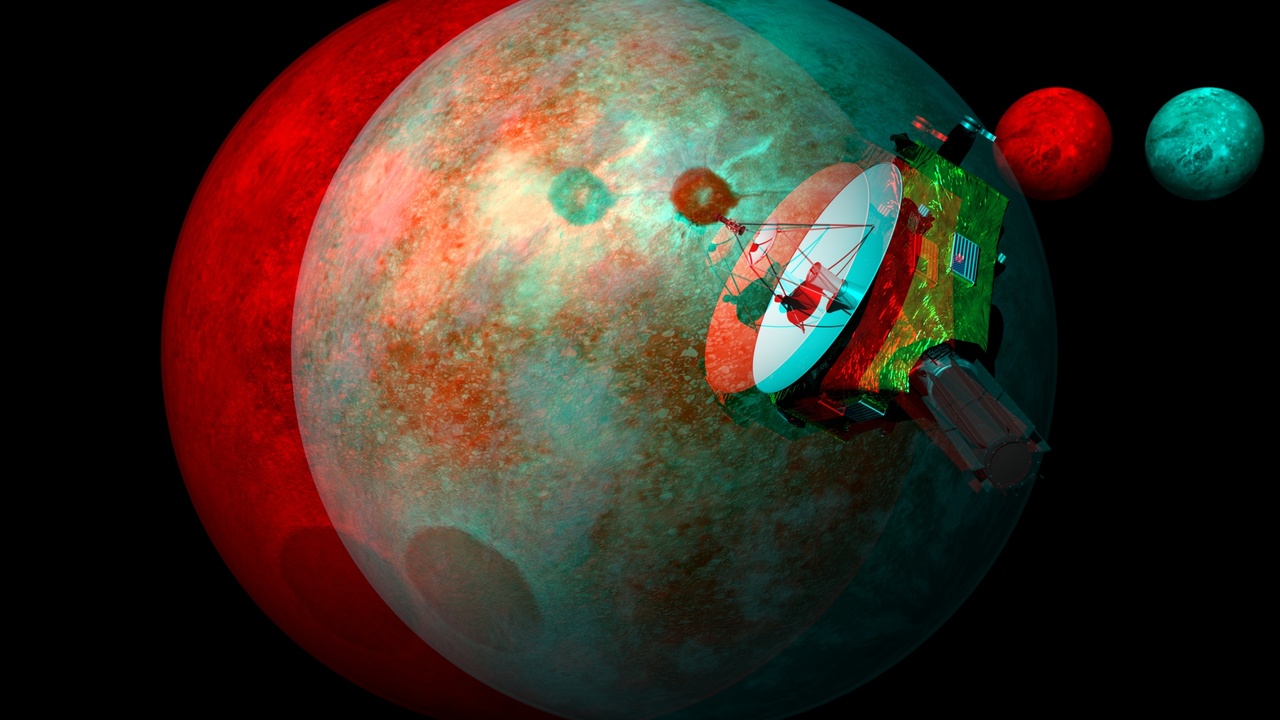
New Horizons’ closest approach on July 14, 2015 revealed a surprisingly active Pluto with nitrogen-ice plains, towering water-ice mountains, and a tenuous but complex atmosphere.
The spacecraft came within roughly 12,500 km of Pluto and sent back tens of gigabytes of image and spectral data over the following months. Key discoveries included Tombaugh Regio (the “heart”), the smooth, glacier-like Sputnik Planitia, wind-carved dunes, and mountains made of water ice.
Those findings overturned assumptions that small, distant worlds are geologically dead and renewed public fascination with dwarf planets. Practically, New Horizons improved planetary geology models and provided calibration points for interpreting remote-sensing data from other bodies.
2. Cassini–Huygens — Saturn system exploration (2004–2017)
Cassini arrived at Saturn in 2004 and spent over a decade studying the system before its Grand Finale plunge into Saturn in 2017; the Huygens probe landed on Titan on January 14, 2005.
Cassini performed more than a hundred Titan flybys (about 127), returned detailed ring structure data including results from the Grand Finale ring dives, and observed active icy plumes on Enceladus that hinted at a subsurface ocean.
Huygens’ descent delivered direct measurements of Titan’s thick, nitrogen-rich atmosphere and surface properties, while Cassini’s instruments found salt-rich particles and organic compounds in Enceladus’ plumes — strong astrobiological targets and new models for ocean worlds.
Beyond pure science, Cassini–Huygens refined long-duration operations at distant targets and inspired mission concepts for future ocean-world exploration.
Mars Rovers: Ground Truth on Another World
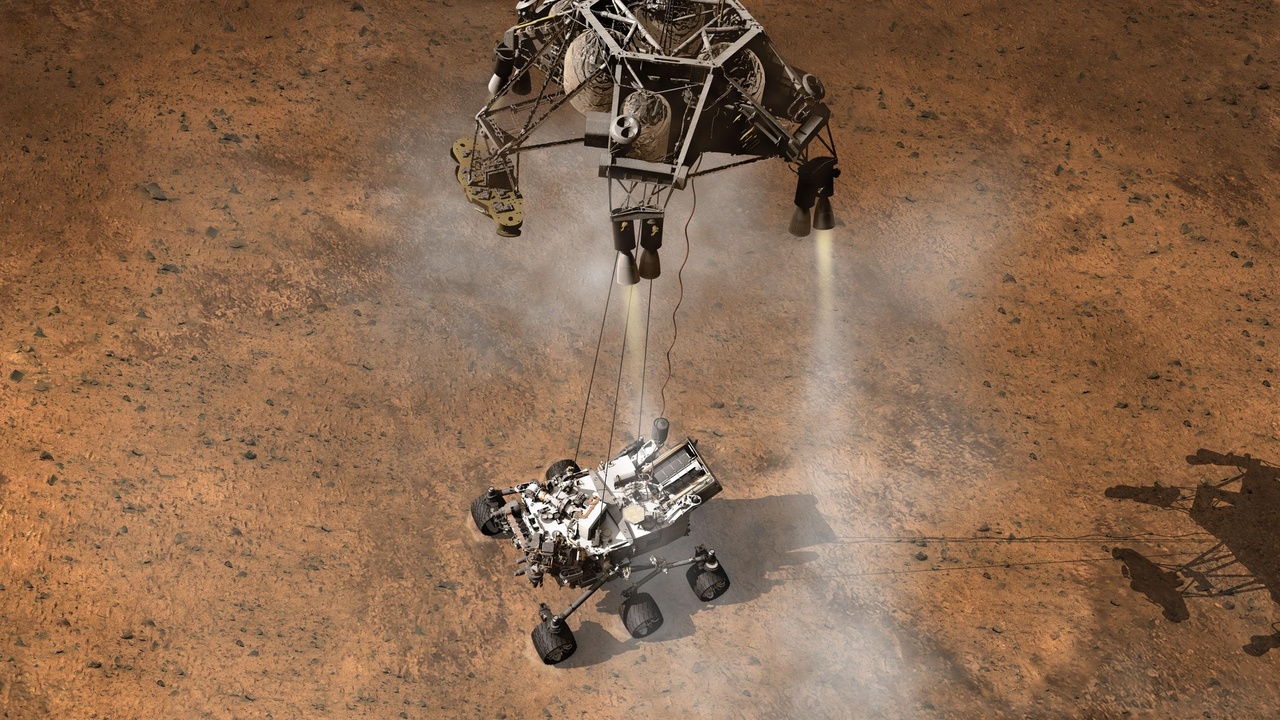
Rovers turned Mars from a distant red dot into a landscape we can walk across via instruments and wheels. Mobility allows context — scientists can compare rocks across slopes and riverbeds, while sample-caching strategies set the stage for returning material to Earth.
Rover missions also matured autonomous navigation, precision landing techniques and in-situ laboratories that serve both robotic exploration and eventual human missions.
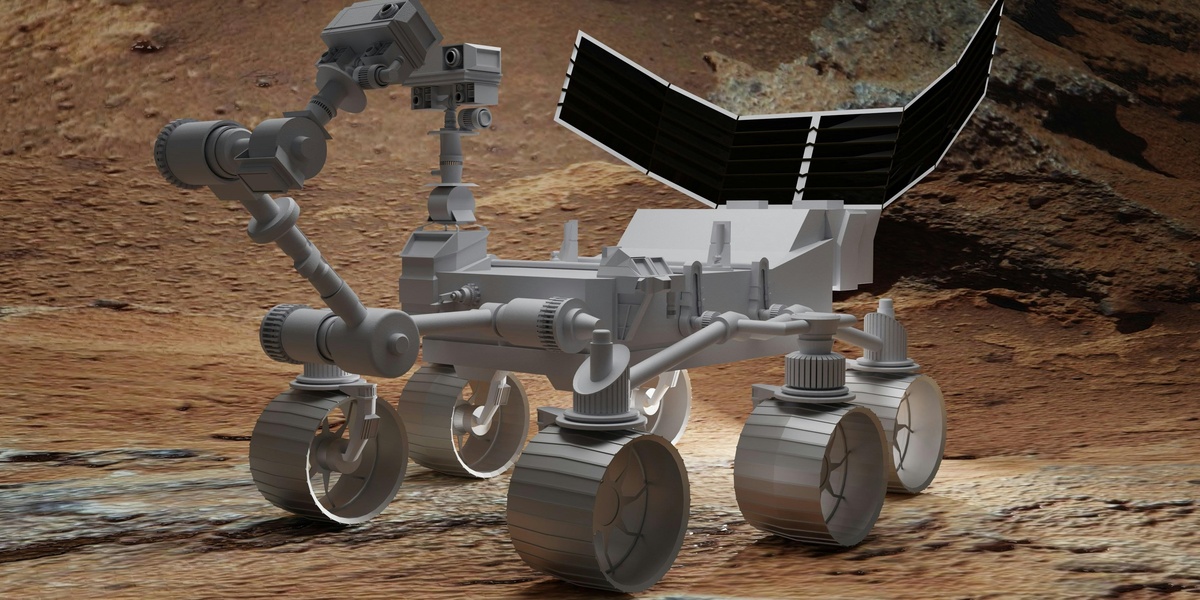
3. Curiosity (Mars Science Laboratory) — landed August 6, 2012
Curiosity touched down on August 6, 2012 as a roughly 900 kg mobile laboratory tasked with assessing past habitability in Gale Crater.
Using instruments like the Sample Analysis at Mars (SAM) suite, Curiosity found clay-bearing rocks and ancient lakebed sediments at Yellowknife Bay and detected organic molecules in drilled samples — evidence that Mars once hosted environments suitable for microbial life.
Curiosity’s success advanced entry, descent and landing techniques and validated compact lab instruments for remote geology — tools now adapted for other planetary missions and for terrestrial remote sensing experiments.
4. Perseverance — sample caching and Ingenuity (landed February 18, 2021)
Perseverance landed on February 18, 2021 with goals to seek biosignatures, cache samples for return, and demonstrate novel technologies such as the Ingenuity helicopter.
The rover carries dozens of sample tubes (about 43 engineered tubes) intended to be sealed and left on the surface for a future retrieval and sample-return campaign. Ingenuity performed the first powered, controlled flights on another planet beginning April 19, 2021 and proved aerial scouting for planetary exploration.
Perseverance’s work in Jezero Crater — examining sedimentary deposits — directly supports plans for a coordinated Mars sample-return and advances autonomy useful for human missions.
Sample-Return and Small-Body Missions
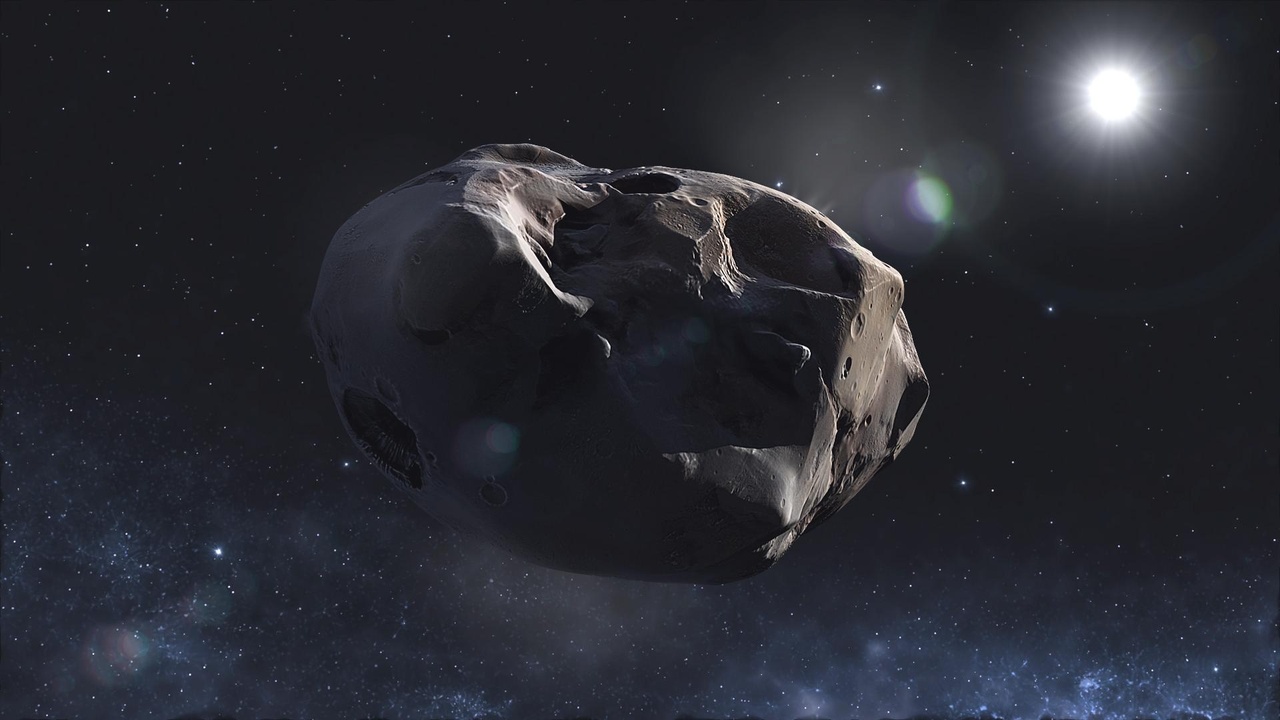
Small bodies — comets and asteroids — are time capsules from the solar system’s formation. Bringing material back to Earth lets laboratory instruments probe isotopes, organics and mineralogy at a level no spacecraft lab can match.
Recent missions demonstrated touch-and-go sampling, long-duration escorts, and the engineering needed to return samples safely — capabilities that matter for origin studies, resource assessment and planetary defense.
5. Rosetta & Philae — first soft landing on a comet (Philae touchdown, Nov 12, 2014)
Rosetta escorted comet 67P/Churyumov–Gerasimenko and deployed the Philae lander, which touched down on November 12, 2014 — the first soft landing on a comet nucleus.
Philae faced anchoring failures and limited sunlight but returned valuable surface measurements and images, while Rosetta’s long-term observations mapped the comet’s changing activity and detected complex organics with onboard mass spectrometers.
Those results inform models of how volatile-rich bodies deliver materials to early Earth and provided essential lessons for landing on low-gravity, rugged surfaces.
6. Hayabusa2 — asteroid Ryugu sample return (touchdown 2019; return 2020)
Japan’s Hayabusa2 performed multiple touchdowns at Ryugu in 2019 and returned a sealed sample capsule to Earth in December 2020.
The mission used a small impactor to excavate subsurface material and collected primitive, carbon-rich samples that contain hydrated minerals and organic compounds — key evidence about prebiotic chemistry in the early solar system.
Hayabusa2’s techniques demonstrated reliable touch-and-go sampling and provided material for laboratory experiments now reshaping ideas about how life’s building blocks were distributed across the young solar system.
7. OSIRIS‑REx — asteroid Bennu sample collection and return (sample return 2023)
OSIRIS‑REx performed a Touch-And-Go (TAG) maneuver at Bennu in October 2020 and returned samples to Earth in 2023.
Images showed Bennu’s rubble-pile surface and abundant boulders, while the returned material — on the order of hundreds of grams — offers a rich inventory of primitive organics and helps calibrate meteorite collections for isotopic studies.
Those samples directly inform planetary defense models (how rubble-pile asteroids respond to forces) and guide assessments of asteroid resources for future exploration.
Observatories and the Rise of Commercial Human Spaceflight
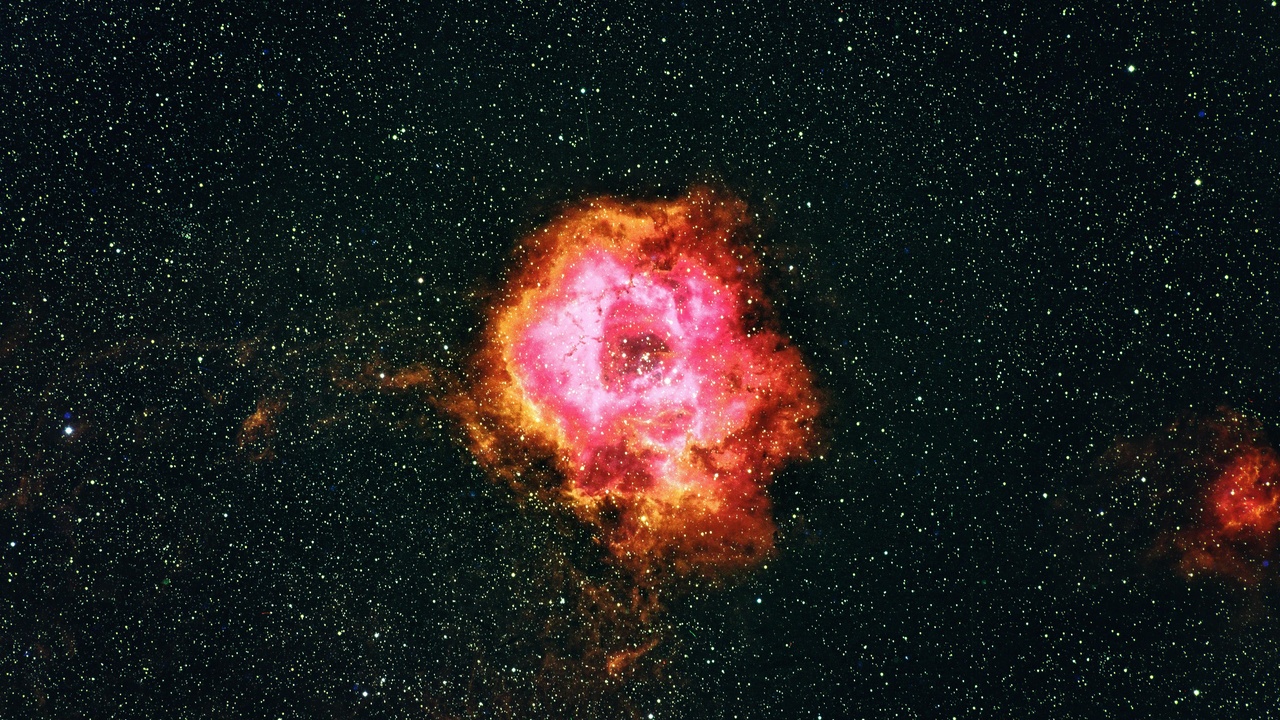
The 21st century saw two parallel shifts: observatories grew far more powerful, opening new discovery frontiers, and commercial providers began supplying regular crewed launches to low Earth orbit.
Together, these trends widen what we can observe and who can go to space, creating feedback between telescope-driven targets and rapidly deployable launch and services from the private sector.
Expect examples here from deep-space infrared imaging to the return of domestic human launch capability and what both mean for future exploration.
8. James Webb Space Telescope — launched December 25, 2021 (first science images 2022)
Webb launched December 25, 2021 and released its first full-color science images in 2022, offering infrared sensitivity far beyond previous space telescopes.
With a 6.5-meter segmented primary mirror and state-of-the-art detectors, Webb quickly produced hundreds of science papers and datasets probing the first galaxies, star-forming regions, and exoplanet atmospheres via spectroscopy.
Beyond the discoveries themselves, Webb advanced detector technology and data pipelines that benefit earthbound astronomy and remote-sensing industries.
9. Kepler — space-based planet hunter (2009–2018 primary mission)
Kepler launched in 2009 with a straightforward goal: stare at one patch of sky and detect transiting exoplanets. Its primary mission ran through about 2018, yielding thousands of planet candidates and more than 2,600 confirmed planets from Kepler-era analyses.
Kepler transformed our estimate of how common small planets are and uncovered compact multi-planet systems (for example, Kepler-186f and others) that reshaped formation theories and prioritized targets for follow-up missions like TESS and JWST.
Kepler’s catalog remains a backbone for exoplanet demographics and an educational resource used by scientists and the public alike.
10. SpaceX Crew Dragon — Demo‑2 and operational crewed flights (2020 onward)
Demo‑2 launched on May 30, 2020, carrying NASA astronauts Bob Behnken and Doug Hurley to the ISS aboard SpaceX’s Crew Dragon — the first crewed launch from U.S. soil since 2011.
That test flight paved the way for operational missions such as Crew‑1 and Crew‑2 and established a cadence of regular commercial crew rotation to the station under NASA’s Commercial Crew Program.
The program has reduced dependence on foreign launch services, stimulated private-sector human spaceflight capabilities, and lowered per-seat costs while opening new business models for orbital operations.
Summary
Across these ten missions we see a pattern: instruments and operations matured, sample returns brought the lab to Earth, observatories opened new windows on the cosmos, and commercial providers changed how humans access low Earth orbit.
The most surprising thread is how quickly sample-return and high-resolution observatories combined to accelerate discovery — returned material yields chemical stories labs can untangle for decades, while telescopes point us to the most compelling targets.
Stay tuned for the next wave of lab analyses and mission follow-ups (including planned Mars sample-return activities and Artemis-era crewed operations) — there’s a lot coming that will refine these early findings.
- Major scientific leaps: new views of Pluto, Saturn, Mars and cometary chemistry expanded planetary science.
- Sample returns: material from Ryugu and Bennu (and Hayabusa2 groundwork) provides laboratory-level insights into early solar-system chemistry.
- Observatories like JWST and Kepler redefined discovery space, from first galaxies to habitable-zone statistics.
- Commercial human spaceflight restored routine crew launches and created a growing market for orbital services; follow Artemis and commercial missions for what comes next.
Enjoyed this article?
Get daily 10-minute PDFs about astronomy to read before bed!
Sign up for our upcoming micro-learning service where you will learn something new about space and beyond every day while winding down.