On October 4, 1957, Sputnik 1 became the first human-made object to orbit Earth — a tiny beep that sparked global curiosity about the sky. That simple moment helped show how accessible wonder can be. Today you don’t need a degree or a small fortune to look up and learn. Low-cost tools, free resources, and local communities make astronomy reachable for many. This piece shows seven practical, cheap ways to get started and groups them into three categories: affordable gear, low-cost learning resources, and community/practice techniques. You can begin meaningful observing with items in the $50–$300 range, and the list below will help you make smart buys and useful first steps. The cheapest ways to get into astronomy focus on smart choices and community more than high price tags.
Affordable Gear and Optics

Good stargazing often starts with modest optics and a few inexpensive accessories. Spending smart beats spending more. A little aperture and a stable mount will show planets, bright nebulae, and star clusters. Below are three practical gear choices that deliver the best price-to-performance for beginners.
1. Buy a good used or entry-level telescope (don’t overspend)
A used or entry-level scope usually gives the best price-to-performance for new observers. On the used market, reliable Newtonians or small refractors often run $150–$400. Aim for aperture in the 70–130 mm range or a 4–5″ Newtonian for solid views. Typical focal ratios of f/5–f/8 are versatile for planets and brighter deep-sky objects.
With these scopes you can see lunar craters, Jupiter’s cloud bands and four Galilean moons, Saturn’s rings, and bright nebulae like M42. Look for models such as the Celestron PowerSeeker 127EQ (commonly $150–$300 used) or an Orion SkyScanner 100mm. When buying used, check collimation, ensure the finder scope is present, and test the mount for wobble. Simple checks and minor repairs often save you hundreds versus buying new.
2. Start with binoculars and simple accessories
Binoculars are the cheapest, most flexible entry into skywatching. Models like 7×50 or 10×50 are common and cost roughly $50–$200. Magnification and objective diameter determine brightness and field; 7×50 gives a wide, bright view while 10×50 adds detail at the cost of steadiness.
Binoculars excel at wide-field views: star clusters, sections of the Milky Way, comets, and the Moon. Good starter options include Nikon Aculon A211 7×50 (~$70) or Celestron SkyMaster 15×70 for brighter deep-sky glimpses. Add a tripod adapter and a cheap red LED flashlight ($5–$15) to improve comfort and preserve night vision.
3. DIY upgrades and low-cost mounts to improve existing kit
Modest DIY work and inexpensive accessories often boost observing more than a new telescope. Simple tools like a Cheshire collimator (~$15) can properly align mirrors, and foam padding or Teflon pads smooth mount motion for very little cost. These small fixes improve image stability and ease of use.
For nicer tracking, used equatorial motor drives or cheap DC motor kits can be found for ~$50–$100. Dew shields, foam-lined cases, and dovetail adapters also protect gear and speed setup. When attempting mods, follow manufacturer manuals or reputable club guides to avoid damage.
Free and Low-cost Learning Resources

Free apps, desktop planetarium software, library books, and open courses make learning affordable. These tools replace expensive paper charts and let you plan nights, identify targets, and track events. Many resources are zero-cost, and public observatory nights often run $0–$15.
4. Use free planetarium apps and software
Stellarium (free desktop and mobile ports) and SkySafari (tiered pricing from about $2.99 to $29.99) are essential planning tools. Stellarium gives a realistic sky view when you set your location and time. SkySafari adds detailed databases and telescope control in paid tiers. NASA’s app resources also list visible passes of the ISS and mission news.
Start by downloading Stellarium, setting your location, and practicing finding bright targets like the Moon, Jupiter, or M42. Use apps to predict meteor showers, ISS passes, or satellite flares from sites such as Heavens-Above. Free versions are powerful for planning and learning.
5. Take free courses, use library materials, and attend public observing nights
Structured learning can be free or very low-cost. Look for MOOCs on Coursera or edX, free university lecture series, and local library guides. A basic online astronomy course often runs 4–8 weeks and costs nothing to audit on many platforms.
Public planetarium shows and observatory nights usually cost $0–$15. Community college evening classes may be $30–$100. Check NASA outreach calendars and organizations like the Royal Astronomical Society for events. Borrow books by Neil deGrasse Tyson or classic guides by Patrick Moore from your library to supplement hands-on nights.
Community, Practice, and Cheap Observing Techniques
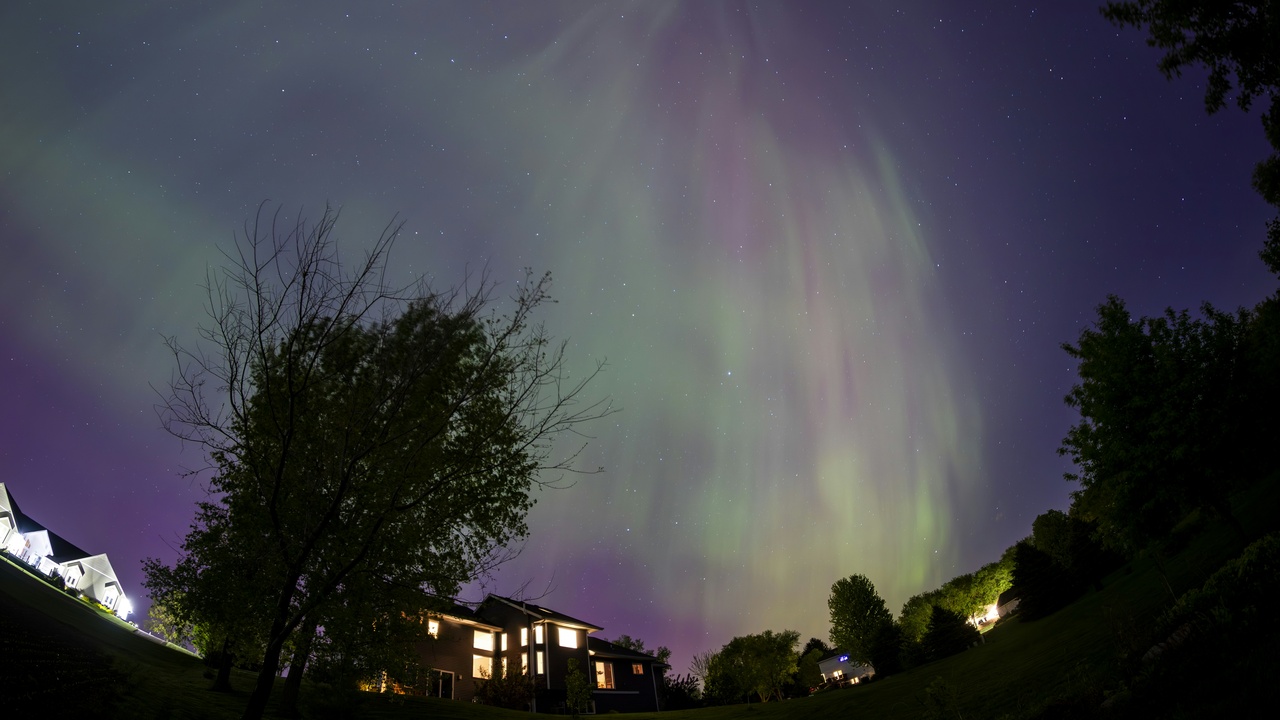
Community and repeated practice accelerate learning while keeping costs low. Clubs offer mentorship and loaner gear. Citizen-science projects let you contribute to research. Simple imaging methods let you experiment without pricey cameras. Networking beats buying in many cases.
6. Join an astronomy club or attend star parties
Clubs are probably the best low-cost shortcut. Many local clubs charge $0–$50 per year and often affiliate with the Astronomical League. They provide loaner scopes, monthly star parties, outreach nights, and hands-on help from experienced members.
At a first meeting or star party, you can learn setup routines, compare eyepieces, and practice finder alignment and collimation. Bring binoculars to your first event. Ask mentors about mount stability, recommended eyepieces, and how they manage dew. Clubs also post outreach calendars and gear loan policies.
7. Contribute to citizen-science projects and try budget astrophotography
Citizen science and simple imaging let beginners help real research for little or no money. Projects like Zooniverse’s Galaxy Zoo or AAVSO variable-star observing accept simple contributions. NASA citizen-science campaigns also post opportunities for public involvement.
For imaging, a phone-to-eyepiece adapter (~$10–$30) is a cheap way to start. Used DSLR bodies suitable for lunar and planetary work appear around $200–$400. Free stacking software such as DeepSkyStacker and RegiStax can dramatically improve results. Try photographing the Moon and planets first; submit variable-star data to AAVSO once you’re comfortable.
Summary
- Binoculars and a smartphone app can get you observing tonight; they often outperform cheap “toy” telescopes for under $100.
- Buy smart: used Celestron or Orion scopes (many in the $150–$300 range) and simple upgrades (Cheshire collimator ~$15) give more value than new, expensive optics.
- Free tools (Stellarium), clubs (Astronomical League affiliates, $0–$50/yr), and citizen projects (Zooniverse, AAVSO) accelerate learning and may provide loaner gear.
- Pick one affordable step tonight: download Stellarium, try binocular stargazing, or join a local star party — small actions lead to real progress.
Enjoyed this article?
Get daily 10-minute PDFs about astronomy to read before bed!
Sign up for our upcoming micro-learning service where you will learn something new about space and beyond every day while winding down.