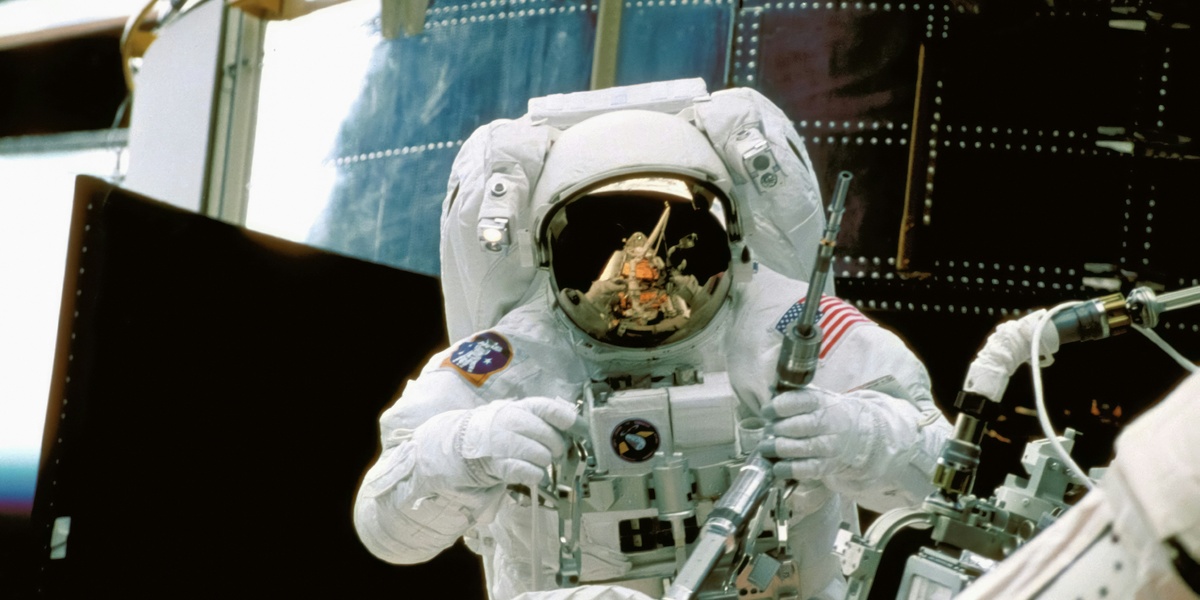
The 1970s were a busy decade for crewed spaceflight, as programs shifted from lunar landings to extended orbital stays and new vehicle planning. Looking back at who flew then helps show how experience, national priorities, and mission types evolved.
There are 40 Astronauts from the 1970s, ranging from Alan Bean to William Pogue. For each person, the columns Nationality,Missions (years),Role are shown — you’ll find below.
Astronauts from the 1970s
| Name | Nationality | Missions (years) | Role |
|---|---|---|---|
| James Lovell | USA | Apollo 13 (1970) | Commander |
| John Swigert | USA | Apollo 13 (1970) | Command Module Pilot |
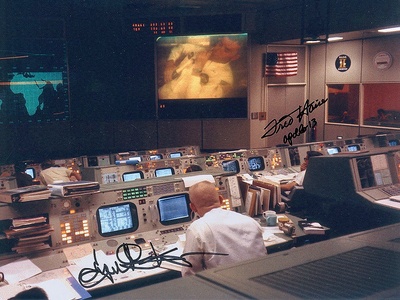
| Fred Haise | USA | Apollo 13 (1970) | Lunar Module Pilot |
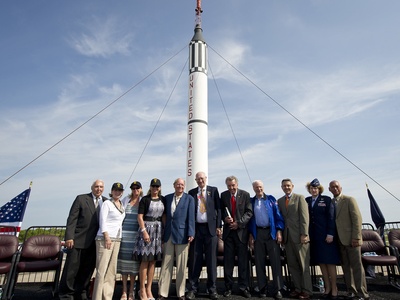
| Alan Shepard | USA | Apollo 14 (1971) | Commander |
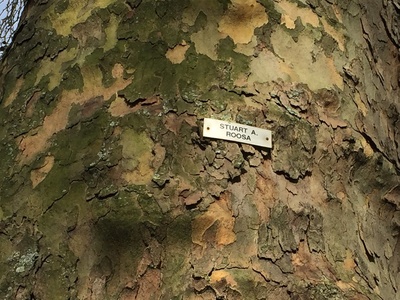
| Stuart Roosa | USA | Apollo 14 (1971) | Command Module Pilot |
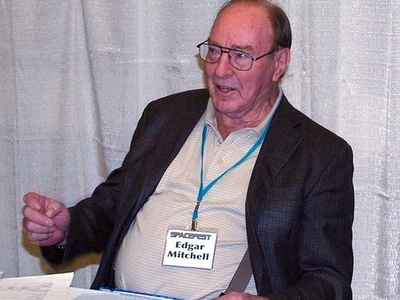
| Edgar Mitchell | USA | Apollo 14 (1971) | Lunar Module Pilot |
| David Scott | USA | Apollo 15 (1971) | Commander |
| Alfred Worden | USA | Apollo 15 (1971) | Command Module Pilot |
| James Irwin | USA | Apollo 15 (1971) | Lunar Module Pilot |
| John Young | USA | Apollo 16 (1972) | Commander |
| Ken Mattingly | USA | Apollo 16 (1972) | Command Module Pilot |
| Charles Duke | USA | Apollo 16 (1972) | Lunar Module Pilot |
| Eugene Cernan | USA | Apollo 17 (1972) | Commander |
| Ronald Evans | USA | Apollo 17 (1972) | Command Module Pilot |
| Harrison Schmitt | USA | Apollo 17 (1972) | Lunar Module Pilot |
| Pete Conrad | USA | Skylab 2 (1973) | Commander |
| Joseph Kerwin | USA | Skylab 2 (1973) | Science Pilot |
| Paul Weitz | USA | Skylab 2 (1973) | Pilot |
| Alan Bean | USA | Skylab 3 (1973) | Commander |
| Owen Garriott | USA | Skylab 3 (1973) | Science Pilot |
| Jack Lousma | USA | Skylab 3 (1973) | Pilot |
| Gerald Carr | USA | Skylab 4 (1973-1974) | Commander |
| William Pogue | USA | Skylab 4 (1973-1974) | Pilot |
| Edward Gibson | USA | Skylab 4 (1973-1974) | Science Pilot |
| Tom Stafford | USA | Apollo-Soyuz (1975) | Commander |
| Vance Brand | USA | Apollo-Soyuz (1975) | Command Module Pilot |
| Deke Slayton | USA | Apollo-Soyuz (1975) | Docking Module Pilot |
| Alexei Leonov | USSR | Soyuz 19 (Apollo–Soyuz) (1975) | Commander |
| Valery Kubasov | USSR | Soyuz 19 (Apollo–Soyuz) (1975) | Flight Engineer |
| Georgi Dobrovolski | USSR | Soyuz 11 (1971) | Commander |
| Viktor Patsayev | USSR | Soyuz 11 (1971) | Flight Engineer |
| Vladislav Volkov | USSR | Soyuz 11 (1971) | Research Cosmonaut |
| Alexei Gubarev | USSR | Soyuz 17 (1975); Soyuz 28 (1978) | Commander |
| Vladimir Remek | Czechoslovakia | Soyuz 28 (1978) | Research Cosmonaut |
| Sigmund Jahn | East Germany | Soyuz 31 (1978) | Research Cosmonaut |
| Valery Bykovsky | USSR | Soyuz 31 (1978) | Commander |
| Pyotr Klimuk | USSR | Soyuz 30 (1978) | Commander |
| Miroslaw Hermaszewski | Poland | Soyuz 30 (1978) | Research Cosmonaut |
| Georgi Ivanov | Bulgaria | Soyuz 33 (1979) | Research Cosmonaut |
| Nikolai Rukavishnikov | USSR | Soyuz 33 (1979) | Commander |
Images and Descriptions

James Lovell
James Lovell commanded Apollo 13 in 1970; the mission suffered an in-flight accident but returned safely. He’s famed for leadership under crisis and for earlier Gemini and Apollo missions, making him one of America’s best-known test pilots-turned-astronauts.
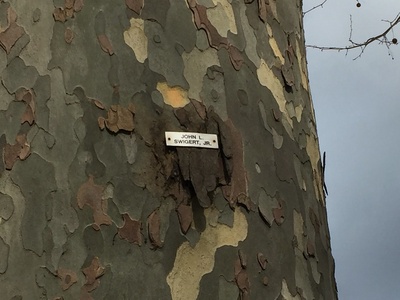
John Swigert
John “Jack” Swigert flew as Command Module Pilot on Apollo 13 (1970), joining the crew shortly before launch. He’s remembered for calm execution during the mission’s emergency and for his brief later political career.
Fred Haise
Fred Haise served as Lunar Module Pilot on Apollo 13 (1970); the crew’s aborted lunar landing made him one of the few astronauts to have trained for a moonwalk but not land. He remained influential in NASA flight operations.
Alan Shepard
Alan Shepard commanded Apollo 14 (1971), becoming the first American in space earlier and later walking on the Moon. His career bridged Mercury and Apollo eras, and he famously hit two golf balls on the lunar surface.
Stuart Roosa
Stuart Roosa orbited the Moon as Command Module Pilot on Apollo 14 (1971) while Shepard and Mitchell walked. A former smokejumper, Roosa helped operate experiments and photography from lunar orbit during his flight.
Edgar Mitchell
Edgar Mitchell was Lunar Module Pilot on Apollo 14 (1971) and performed two moonwalks. He later became notable for his interest in consciousness studies and public reflections on the broader meanings of spaceflight.
David Scott
David Scott commanded Apollo 15 (1971), a science-focused mission that used the lunar rover. His geological work and rover operations expanded understanding of the Moon, and he became known for rigorous field science on the lunar surface.
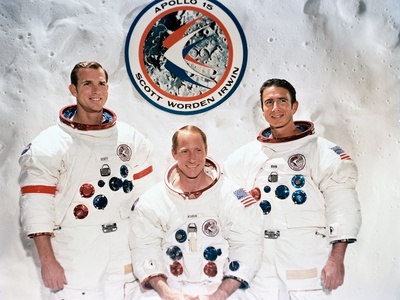
Alfred Worden
Alfred Worden served as Command Module Pilot on Apollo 15 (1971), conducting extensive orbital science and the first deep-space EVA to retrieve film from the service module’s camera bay.
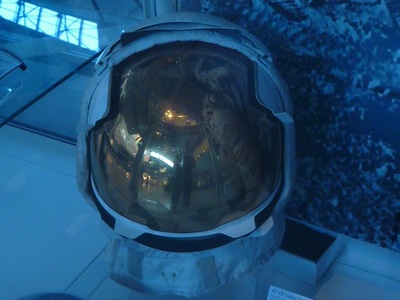
James Irwin
James Irwin was Lunar Module Pilot on Apollo 15 (1971), exploring the Moon with the rover. He later founded a faith-based organization and remained a public advocate for lunar exploration.
John Young
John Young commanded Apollo 16 (1972) and walked on the Moon, adding to a long career that included Gemini and commanding the first Space Shuttle flight. Young was respected for technical skill and leadership across decades.
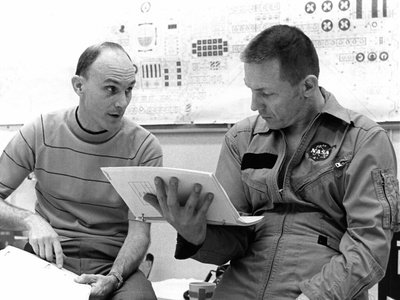
Ken Mattingly
Ken Mattingly served as Command Module Pilot on Apollo 16 (1972) after being grounded from Apollo 13; he later commanded Space Shuttle missions and was noted for systems expertise and calm under pressure.
Charles Duke
Charles Duke was Lunar Module Pilot on Apollo 16 (1972) and performed moonwalks at the Descartes Highlands. He later became the youngest American moonwalker and is known for public storytelling about his lunar experience.
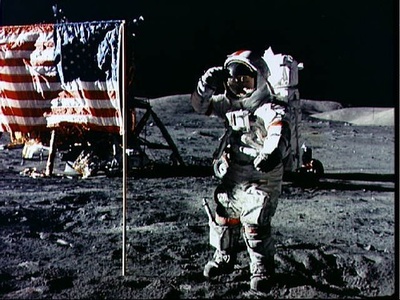
Eugene Cernan
Eugene “Gene” Cernan commanded Apollo 17 (1972), the last Apollo lunar landing, and was the last human to walk on the Moon. His career combined piloting, command experience, and a lasting public presence advocating spaceflight.
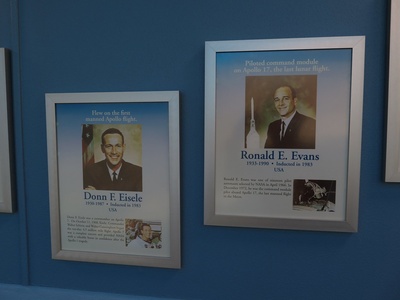
Ronald Evans
Ronald Evans orbited the Moon as Command Module Pilot on Apollo 17 (1972), performing deep-space science and retrieval tasks while Cernan and Schmitt explored the lunar surface.
Harrison Schmitt
Harrison Schmitt was Lunar Module Pilot on Apollo 17 (1972), a professional geologist and the only scientist-astronaut to walk on the Moon. His geological sampling significantly advanced lunar science.
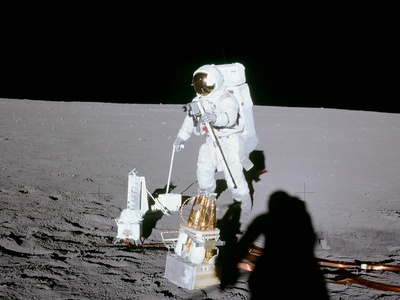
Pete Conrad
Pete Conrad commanded Skylab 2 (1973), the first crewed Skylab mission, repairing and repurposing the station after launch damage. Known for humor and skill, he led crucial in-orbit repairs and station activation tasks.
Joseph Kerwin
Joseph Kerwin served as Science Pilot on Skylab 2 (1973), performing medical and life-science experiments and helping stabilize Skylab operations during the station’s first crewed visit.
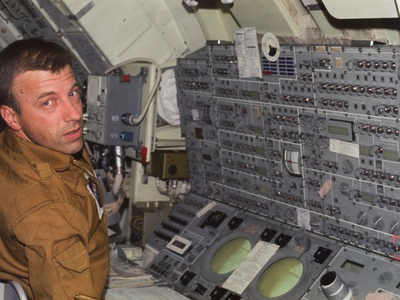
Paul Weitz
Paul Weitz was Pilot on Skylab 2 (1973), supporting station repairs and scientific work. He later served in leadership roles at NASA and contributed operational expertise from the early Skylab program.
Alan Bean
Alan Bean commanded Skylab 3 (1973), leading extensive scientific work in space after Apollo. A former moonwalker, he focused the mission on solar and life-science studies and station operations.
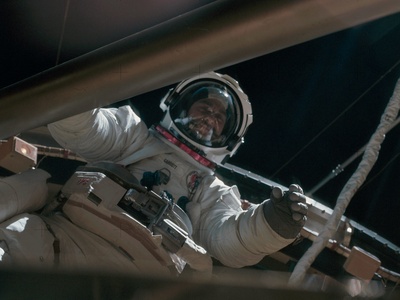
Owen Garriott
Owen Garriott was Science Pilot on Skylab 3 (1973), conducting biomedical and solar experiments and helping demonstrate longer-duration human spaceflight capabilities aboard the space station.
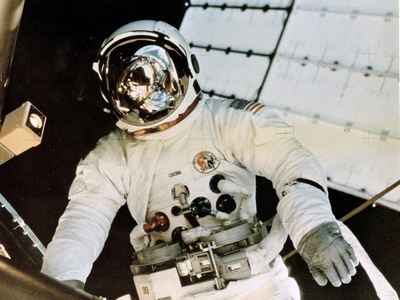
Jack Lousma
Jack Lousma served as Pilot on Skylab 3 (1973), supporting station operations, EVA logistics, and experiments; he later commanded Shuttle Approach and Landing Tests and remained active in aerospace circles.
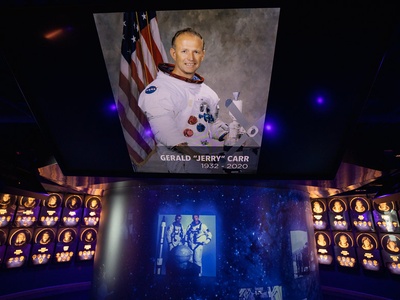
Gerald Carr
Gerald Carr commanded Skylab 4 (1973–1974), leading the longest Skylab stay and managing a heavy science schedule. His tenure helped define crew workload limits and human factors for extended missions.
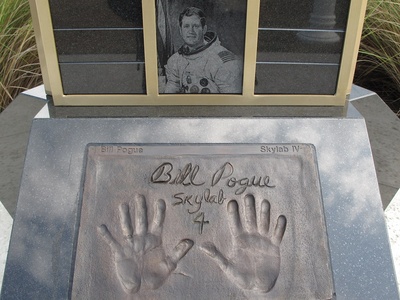
William Pogue
William Pogue was Pilot on Skylab 4 (1973–1974), conducting solar astronomy and biomedical studies. His mission demonstrated sustained scientific productivity and endurance in long-duration orbital missions.
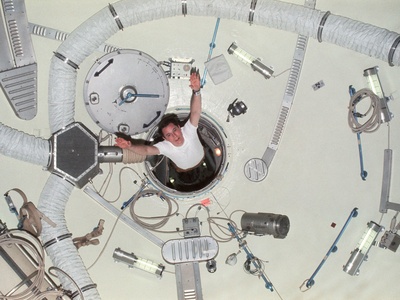
Edward Gibson
Edward Gibson served as Science Pilot on Skylab 4 (1973–1974), specializing in solar observations and instrument operation, contributing significant datasets from Skylab’s remote-sensing payloads.
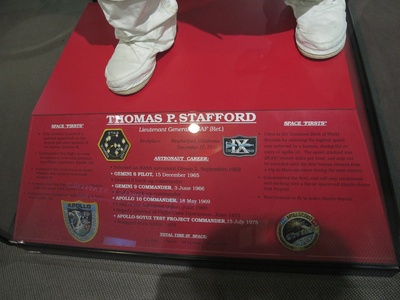
Tom Stafford
Tom Stafford commanded the U.S. side of the 1975 Apollo–Soyuz Test Project, leading the historic U.S.–Soviet docking and joint operations that symbolized détente and set cooperative precedents in spaceflight.
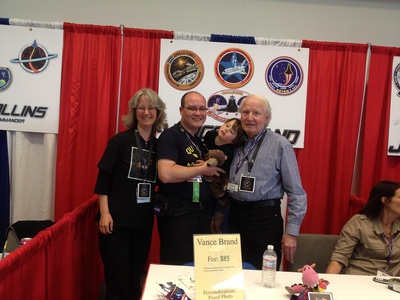
Vance Brand
Vance Brand served as Command Module Pilot on Apollo–Soyuz (1975), overseeing docking and orbital operations. He later commanded Shuttle flights and was respected for professionalism connecting U.S. and international programs.
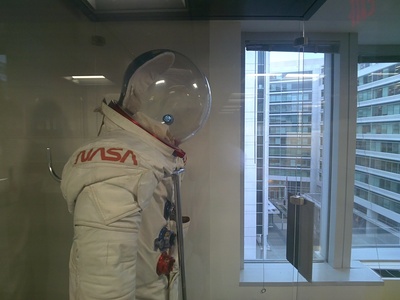
Deke Slayton
Deke “Deke” Slayton flew on Apollo–Soyuz (1975) as Docking Module Pilot after years grounded for medical reasons; his eventual flight and NASA leadership made him a legendary figure in astronaut corps history.
Alexei Leonov
Alexei Leonov flew as Soviet commander on Soyuz 19 (1975) for the Apollo–Soyuz Test Project, famous for the first spacewalk and diplomatic bridge-building between superpowers during that joint mission.
Valery Kubasov
Valery Kubasov was Flight Engineer on Soyuz 19 (1975), participating in the Apollo–Soyuz exchange. His technical expertise supported cross-agency operations and Soviet engineering contributions to the rendezvous.
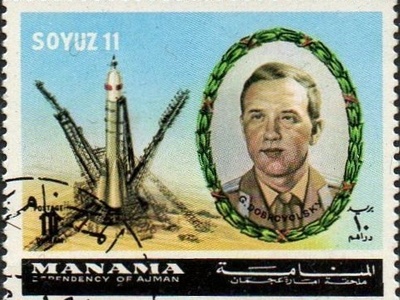
Georgi Dobrovolski
Georgi Dobrovolski commanded Soyuz 11 (1971), the crew that successfully boarded Salyut 1 but tragically died during reentry. Their mission highlighted early space-station challenges and led to major safety reforms.
Viktor Patsayev
Viktor Patsayev was Flight Engineer on Soyuz 11 (1971) and conducted valuable station science aboard Salyut 1 before the crew’s fatal reentry, underscoring risks of early long-duration missions.
Vladislav Volkov
Vladislav Volkov served as Research Cosmonaut on Soyuz 11 (1971), contributing experiments aboard Salyut 1; he perished with his crewmates on reentry, and their sacrifice led to critical safety changes in Soviet spaceflight.
Alexei Gubarev
Alexei Gubarev commanded Soyuz 17 (1975) and flew Soyuz 28 (1978) with Czechoslovakia’s Vladimir Remek. He led long-duration station work and participated in early Interkosmos international cooperation flights.
Vladimir Remek
Vladimir Remek became the first non-U.S., non-Soviet person in space on Soyuz 28 (1978) with Alexei Gubarev. His flight marked a milestone in the USSR’s Interkosmos program and Czechoslovak pride.
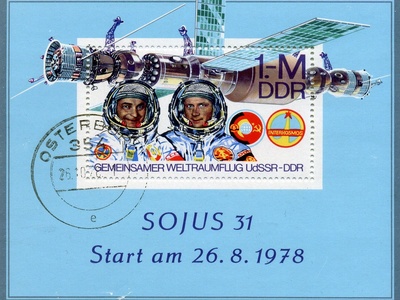
Sigmund Jahn
Sigmund Jahn flew on Soyuz 31 (1978) to Salyut 6 as East Germany’s first cosmonaut under Interkosmos. He conducted materials and Earth-observation experiments and became a national spaceflight figure.
Valery Bykovsky
Valery Bykovsky commanded Soyuz 31 (1978) with Sigmund Jahn, returning to flight decades after his Vostok era mission. He helped mentor Interkosmos guests and carried out station science objectives.
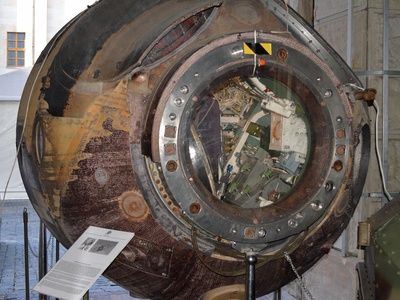
Pyotr Klimuk
Pyotr Klimuk commanded Soyuz 30 (1978), flying with Poland’s Miroslaw Hermaszewski under Interkosmos. His role highlighted Soviet support for allied nations’ participation in space research aboard Salyut stations.
Miroslaw Hermaszewski
Miroslaw Hermaszewski flew on Soyuz 30 (1978) as Poland’s first cosmonaut, conducting experiments aboard Salyut 6. His flight was a landmark for Polish science and Interkosmos collaboration.
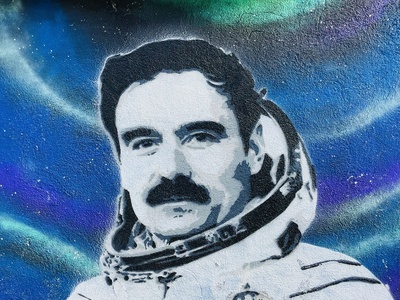
Georgi Ivanov
Georgi Ivanov flew on Soyuz 33 (1979), Bulgaria’s first spaceflight under Interkosmos; the mission’s engine failure prevented docking with Salyut 6, but the flight marked a major national milestone.
Nikolai Rukavishnikov
Nikolai Rukavishnikov commanded Soyuz 33 (1979) with Bulgarian cosmonaut Georgi Ivanov; an engine failure aborted the docking attempt, demonstrating the challenges of automated systems and highlighting crew survival procedures.
Enjoyed this article?
Get daily 10-minute PDFs about astronomy to read before bed!
Sign up for our upcoming micro-learning service where you will learn something new about space and beyond every day while winding down.