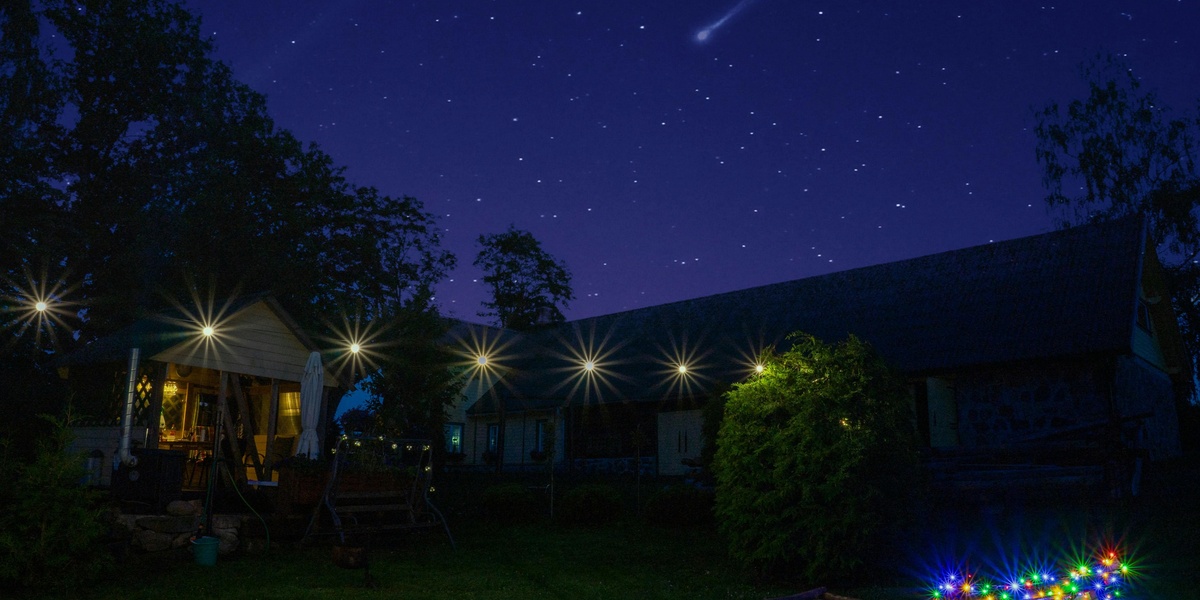
On a clear night, lying back and watching a steady rain of meteors is one of the simplest ways to connect with the sky. Whether you’re in the countryside or checking from a city rooftop, knowing when and where to look makes the experience much more rewarding.
There are 17 Annual Meteor Showers, ranging from AlphaCapricornids to Ursids. For each shower you’ll find the entries organized as Peak date(s) & active window,Radiant (constellation),ZHR (per hr); you’ll find below.
How do I know which night will give the best viewing near me?
Check the listed peak dates and the active window, then convert those peak times to your local time zone; the peak night usually offers the highest rate, but good sightings can occur on surrounding nights. Also consider moon phase and local light pollution—darker skies and a moonless night make even modest showers much easier to see.
What does ZHR mean and how should I use it?
ZHR (zenithal hourly rate) is the theoretical number of meteors an observer would see under perfect conditions with the shower’s radiant at the zenith; it’s a comparative metric rather than a guaranteed count. Use ZHR to gauge a shower’s potential, but expect lower actual rates if the radiant is low or skies are bright.
Annual Meteor Showers
| Name | Peak date(s) & active window | Radiant (constellation) | ZHR (per hr) |
|---|---|---|---|
| Quadrantids | Jan 3; Dec 28–Jan 12 | Boötes (near Draco) | 110 |
| Lyrids | Apr 22; Apr 16–Apr 25 | Lyra | 18 |
| Eta Aquariids | May 6; Apr 19–May 28 | Aquarius | 55 |
| Arietids (daytime) | Jun 7; May 14–Jun 24 | Aries (daytime radiant) | 60 |
| Perseids | Aug 12; Jul 17–Aug 24 | Perseus | 100 |
| Draconids | Oct 8; Oct 6–Oct 10 | Draco | 10 |
| Orionids | Oct 21; Oct 2–Nov 7 | Orion | 20 |
| Leonids | Nov 17; Nov 6–Nov 30 | Leo | 15 |
| Geminids | Dec 14; Dec 4–Dec 17 | Gemini | 120 |
| Ursids | Dec 22; Dec 17–Dec 26 | Ursa Minor | 10 |
| SouthernTaurids | Nov 5; Sep 10–Dec 10 | Taurus | 5 |
| NorthernTaurids | Nov 12; Oct 20–Dec 10 | Taurus | 5 |
| AlphaCapricornids | Jul 30; Jul 3–Aug 15 | Capricornus | 5 |
| DeltaAquariids-South | Jul 29; Jul 12–Aug 23 | Aquarius | 20 |
| DeltaAquariids-North | Aug 7; Jul 21–Aug 23 | Aquarius | 5 |
| ComaBerenicids | Dec 5; Nov 28–Dec 9 | Coma Berenices | 5 |
| PiscisAustrinids | Jul 28; Jul 15–Aug 10 | Piscis Austrinus | 5 |
Images and Descriptions
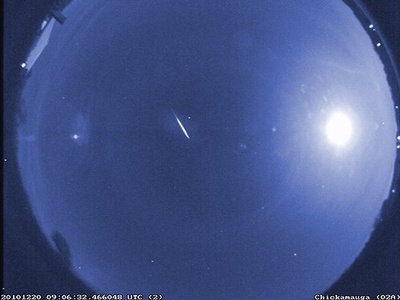
Quadrantids
Sharp, often intense peak from asteroid 2003 EH1 around Jan 3; fast ~41 km/s meteors. Best from Northern Hemisphere pre-dawn; short peak window means plan for the night of maximum. Look toward Boötes/Draco; use warm clothes and dark skies.
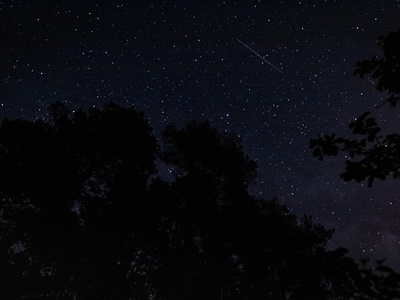
Lyrids
April shower from Comet Thatcher (C/1861 G1) with swift ~49 km/s meteors peaking around Apr 22. Best seen from Northern Hemisphere after moonset near Lyra, though visible low for southern observers. Expect ~10–20 meteors per hour under dark skies.
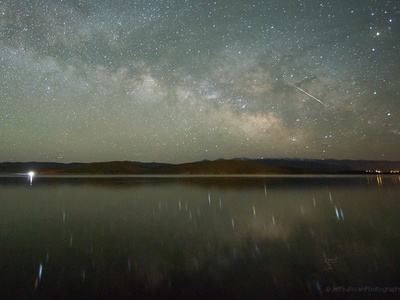
Eta Aquariids
Fast, Halley-derived meteors (~66 km/s) from Comet Halley peak around May 6. Southern Hemisphere observers see the best rates; northern viewers catch low eastern radiants pre-dawn. Expect roughly 50–60 meteors per hour under dark, moonless skies.

Arietids (daytime)
One of the strongest daytime showers, peaking around Jun 7 with a broad May–June activity window. Radiant in Aries and best detected by radio or just before sunrise. Parent body unknown; expect fast, bright meteors and daytime visibility.
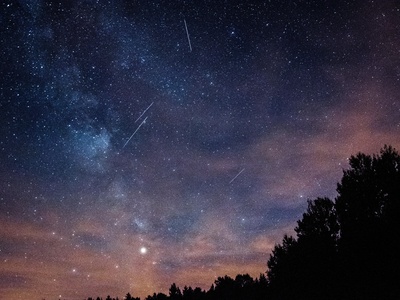
Perseids
Reliable, prolific shower from Comet Swift–Tuttle peaking around Aug 12 with a broad Jul–Aug activity window. Fast (~59 km/s) and numerous — roughly 100 meteors per hour under dark skies. Best from Northern Hemisphere after midnight; great for photography.
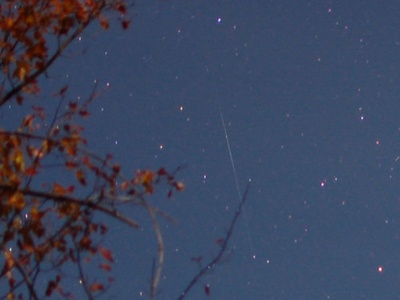
Draconids
Slow, often faint meteors from Comet Giacobini–Zinner peak around Oct 8. Normally a weak shower (~10 meteors/hour) but prone to occasional spectacular outbursts. Best for Northern Hemisphere observers in the evening with the radiant near Draco.
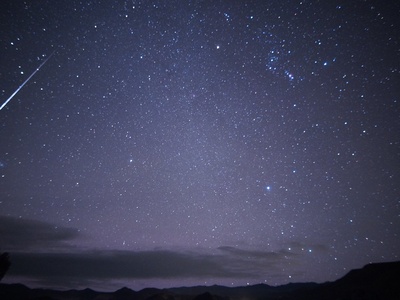
Orionids
Quick, bright meteors from Halley’s Comet peak near Oct 21 with activity Oct 2–Nov 7. Fast (~66 km/s) and often leaving persistent trains; expect ~20 meteors per hour at peak. Best pre-dawn viewing with the radiant in Orion.
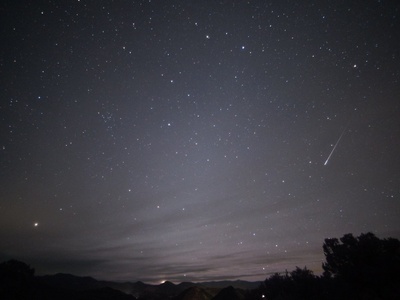
Leonids
From comet Tempel–Tuttle, Leonids peak around Nov 17 with activity Nov 6–Nov 30. Normally modest (~15/hour) but historically capable of storms. Very fast meteors (~71 km/s). Best pre-dawn; wide skies and patience reward observers.
Geminids
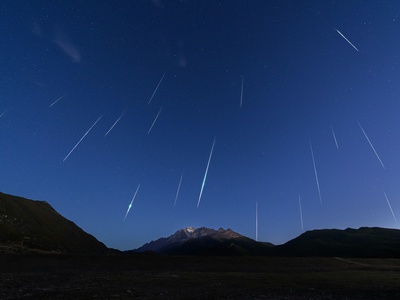
The year’s most reliable major shower from asteroid 3200 Phaethon, peaking around Dec 14 with Dec 4–17 activity. Slowish meteors (~35 km/s) and abundant — roughly 120 meteors/hour under dark skies. Best for Northern Hemisphere late night to pre-dawn.
Ursids
Peaking around Dec 22 with Dec 17–26 activity, Ursids are a modest Northern Hemisphere shower from comet 8P/Tuttle. Typically ~10 meteors/hour with some bright fireballs possible. Radiant near Polaris means meteors appear all over the northern sky.
SouthernTaurids
Long-duration Taurid stream with a broad Sep–Dec activity window and a peak around Nov 5. ZHR is low (~5/hour) but it yields many bright fireballs; parent body linked to 2P/Encke. Best in late nights; look near Taurus.
NorthernTaurids
Peaking around Nov 12 with Oct 20–Dec 10 activity, Northern Taurids are similarly slow and fireball-rich with a low ZHR (~5/hour). Same parent 2P/Encke; best late-night viewing and good for fireball hunters.
AlphaCapricornids
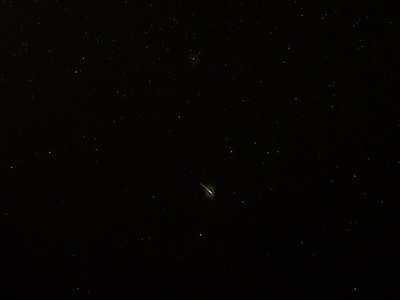
Alpha Capricornids peak around Jul 30 (active Jul 3–Aug 15) and are noted for slow, bright fireballs despite low rates (~5/hour). Originating from parent 169P/NEAT, their slow ~23 km/s speed produces long, colorful trails. Best from both hemispheres.
DeltaAquariids-South
Southern Delta Aquariids peak around Jul 29 with Jul 12–Aug 23 activity. Radiant in Aquarius produces moderate rates near 20 meteors/hour visible best from Southern and tropical latitudes after midnight. Parent uncertain; meteors are moderately fast (~41 km/s).
DeltaAquariids-North
Northern Delta Aquariids peak around Aug 7 (activity Jul 21–Aug 23). Rates are lower (~5/hour) and the radiant sits in Aquarius; best seen from Northern Hemisphere with low eastern sky views before dawn. Part of the broader Delta Aquariid complex.
ComaBerenicids
A minor shower peaking around Dec 5 (Nov 28–Dec 9 activity) with a radiant in Coma Berenices. Typical ZHR is low (~5/hour) but steady; meteors are moderate speed (~43 km/s). Best from Northern Hemisphere after midnight.
PiscisAustrinids
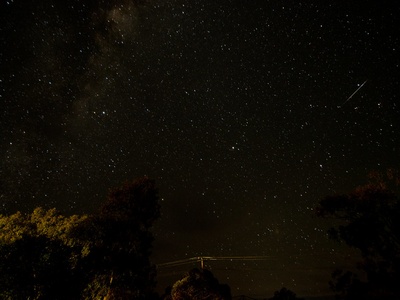
Active mid-July to early August with a peak near Jul 28; radiant in Piscis Austrinus. A modest southern/tropical shower with about 5 meteors/hour and moderate speeds (~34 km/s). Best from Southern Hemisphere or low southern latitudes.
Enjoyed this article?
Get daily 10-minute PDFs about astronomy to read before bed!
Sign up for our upcoming micro-learning service where you will learn something new about space and beyond every day while winding down.